Understanding Linseed Meal and Its Role in Feed Ingredient Markets
What Is Linseed Meal?
Linseed meal is a plant-based feed ingredient produced after oil extraction from flaxseed or linseed. The remaining meal contains valuable nutritional components, including protein, fiber, and other naturally occurring compounds that make it relevant for animal nutrition applications. Its composition and functional characteristics allow it to be considered by feed manufacturers seeking alternative agricultural-based ingredients.
According to technical information from the Food and Agriculture Organization of the United Nations, oilseed meals are important agricultural by-products that contribute significantly to global animal feed supply chains. These materials support livestock production by providing nutritional resources derived from oilseed processing industries.
Role of Linseed Meal in Feed Ingredient Supply Chains
The commercial importance of linseed meal comes from its connection with both oilseed processing and animal feed manufacturing. As demand for efficient agricultural resource utilization increases, processors and feed companies continue evaluating oilseed-derived ingredients for formulation flexibility and supply diversification.
For buyers exploring procurement options, understanding the specifications, origin, and intended application of linseed meal is essential. Trade platforms such as the Linseed Meal product page provide sourcing information that helps manufacturers, distributors, and traders evaluate product availability for industrial requirements.
According to research published by the National Center for Biotechnology Information, feed ingredient selection depends on nutritional composition, processing characteristics, and suitability for specific animal production systems. These factors influence how buyers assess agricultural feed materials before commercial purchase.
Industrial Applications of Linseed Meal Across Livestock Nutrition
Linseed Meal in Animal Feed Formulation
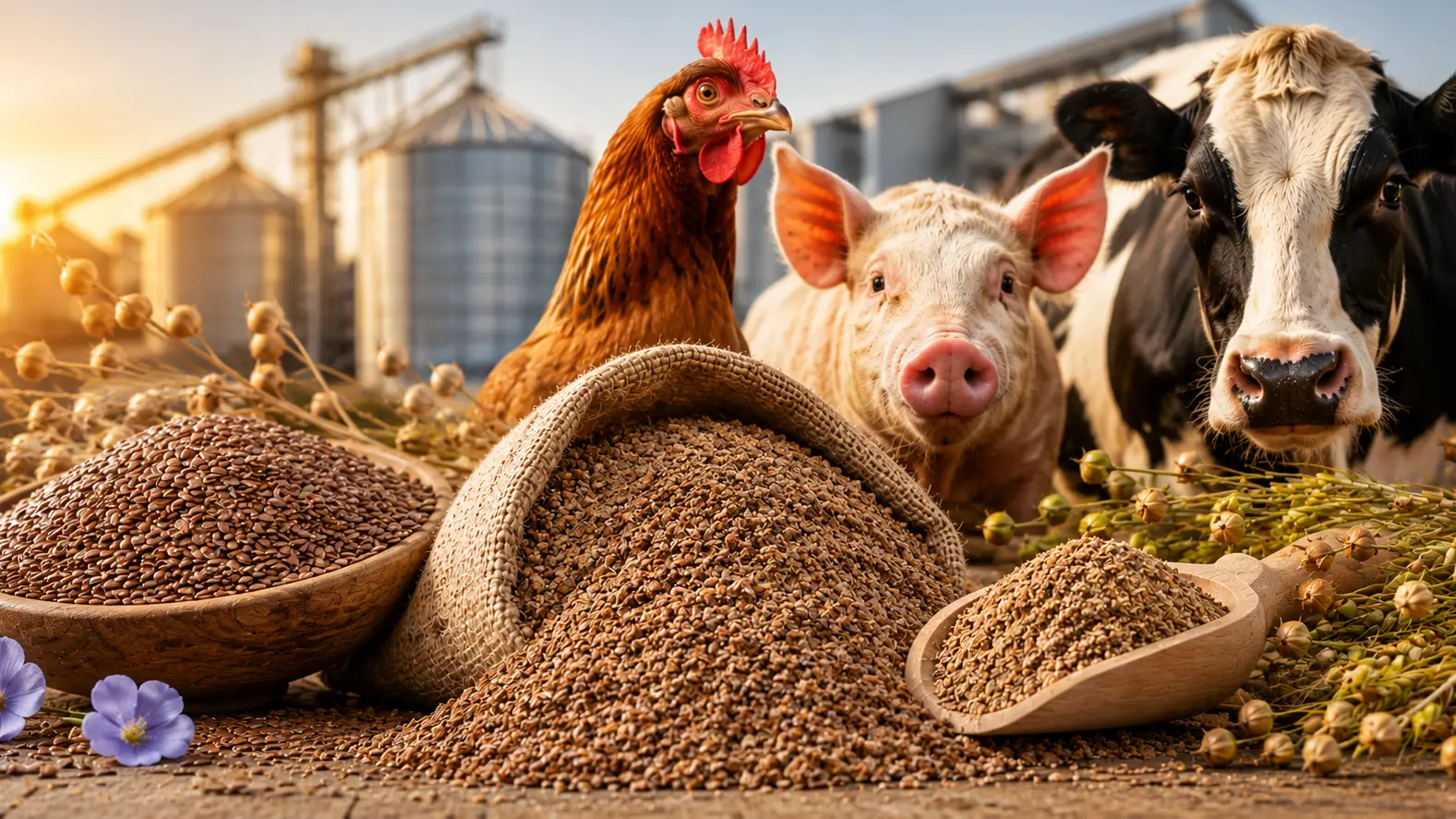
The primary industrial application of linseed meal is within animal feed production. Feed manufacturers may incorporate plant-derived meals into formulations designed for livestock, poultry, and other agricultural animals. Its nutritional profile makes it relevant for companies developing balanced feed solutions.
Linseed meal buyers typically include compound feed producers, agricultural distributors, and livestock nutrition companies that require consistent ingredient supply. These organizations evaluate factors such as nutritional specifications, processing quality, availability, and compatibility with existing feed formulations.
According to the European Food Safety Authority, feed materials must be evaluated based on safety, quality, and suitability for their intended use in animal nutrition systems. This regulatory focus highlights the importance of responsible sourcing practices within the feed ingredient industry.
Applications Across Agricultural Industries
Beyond direct feed manufacturing, linseed meal participates in broader agricultural supply chains involving ingredient traders, distributors, and livestock production networks. The material supports industries that depend on reliable access to plant-based feed resources.
Companies sourcing linseed meal often compare suppliers based on production capacity, logistics capability, documentation availability, and consistency of supply. These considerations become increasingly important for international buyers managing agricultural commodity procurement.
The growing interest in sustainable agricultural practices has also increased attention toward by-products from food and oil processing industries. Efficient utilization of these materials supports circular approaches within agricultural production systems.
Market Demand Factors Influencing Linseed Meal Procurement
Demand Drivers in Feed Ingredient Markets
Linseed meal demand is influenced by developments in livestock production, feed manufacturing requirements, and agricultural commodity availability. As animal nutrition companies seek diversified ingredient portfolios, plant-based feed materials remain an important category for procurement teams.
Market analysis from organizations tracking global agricultural commodities indicates that feed ingredient supply chains are shaped by factors including crop production, processing capacity, trade conditions, and livestock industry demand. These elements affect purchasing decisions among international buyers.
For suppliers and traders, understanding demand patterns helps identify opportunities within regional feed markets. Buyers increasingly seek partners capable of providing transparent sourcing information and dependable supply channels.
Supply Chain Considerations for Global Buyers
Global procurement of linseed meal requires attention to transportation, supplier reliability, quality documentation, and market conditions. Feed companies operating across different regions often compare multiple sourcing options to maintain operational stability.
The availability of agricultural raw materials can vary depending on harvest cycles, oilseed processing trends, and regional production capacity. As a result, procurement teams often build relationships with multiple suppliers to manage supply continuity.
According to market information from the United States Department of Agriculture, global agricultural commodity markets are influenced by production trends, trade flows, and regional supply conditions. These factors are important considerations for companies purchasing feed-related commodities.
Key Buyers and Procurement Considerations for Linseed Meal
Who Buys Linseed Meal?
The main buyers of linseed meal include animal feed manufacturers, livestock nutrition companies, agricultural distributors, commodity traders, and industrial ingredient procurement teams. These organizations purchase the product based on application requirements and supply chain objectives.
Feed manufacturers typically require dependable ingredient specifications because formulation consistency directly affects production efficiency. Distributors and traders may also source linseed meal to serve regional agricultural markets where local availability is limited.
Industrial buyers generally evaluate suppliers based on product quality, commercial terms, documentation, logistics capabilities, and long-term reliability. These criteria influence supplier selection in competitive B2B ingredient markets.
Procurement Factors Before Purchasing
Before buying linseed meal, procurement teams commonly review factors such as protein content, moisture levels, processing method, packaging options, shipment capacity, and compliance documentation. These technical and commercial requirements help buyers reduce supply risks.
Reliable supplier information is especially valuable for international transactions where buyers need confidence in product specifications and delivery performance. Marketplace platforms help connect industrial users with suppliers that match their sourcing requirements.
The Linseed Meal sourcing page supports buyers by providing access to product information relevant to industrial purchasing decisions. Such resources help procurement teams compare available options before establishing supplier relationships.
Sourcing Opportunities Through Global Feed Ingredient Supply Chains
Importance of Reliable Linseed Meal Suppliers
Reliable sourcing is a critical factor for companies operating in agricultural ingredient markets. Feed producers and distributors require suppliers that can support consistent quality, dependable logistics, and transparent communication throughout the purchasing process.
A strong supplier network enables businesses to respond to changes in demand while maintaining production schedules. For international buyers, marketplace-based sourcing can simplify supplier discovery and improve access to regional and global ingredient opportunities.
Industry organizations such as the International Feed Industry Federation emphasize the importance of collaboration, safety, and efficiency throughout global feed supply chains.
Role of B2B Marketplaces in Ingredient Procurement
B2B marketplaces provide a structured environment where buyers and suppliers can exchange product information and identify potential commercial partnerships. These platforms are increasingly used by companies looking to streamline sourcing processes.
For Tradeasia / Chemtradeasia / Tradechem Marketplace, positioning linseed meal within a specialized ingredient marketplace helps connect manufacturers, distributors, and procurement professionals seeking agricultural feed materials.
Digital sourcing channels can support more efficient purchasing decisions by improving product visibility, supplier comparison, and communication between international trading partners.
Commercial Outlook for Linseed Meal Buyers and Suppliers
Future Opportunities in Feed Ingredient Markets
The commercial outlook for linseed meal remains connected to broader trends in livestock production, agricultural processing, and demand for diversified feed ingredients. Buyers continue evaluating materials that support efficient and flexible feed formulation strategies.
As industries focus on resource optimization and sustainable agricultural practices, oilseed processing by-products may continue to attract attention from feed manufacturers and ingredient distributors.
According to agricultural sustainability research from the United Nations Environment Programme, improving resource efficiency across food and agriculture systems is an important global priority.
Supporting B2B Growth Through Strategic Sourcing
For buyers, successful linseed meal procurement depends on selecting suppliers that understand industrial requirements and can provide dependable market support. Supplier relationships, product transparency, and logistics capability remain essential factors in long-term sourcing strategies.
Tradeasia / Chemtradeasia / Tradechem Marketplace can serve as a commercial connection point for businesses exploring linseed meal supply opportunities. Buyers can review the Linseed Meal for industrial applications information to better understand sourcing options.
As global feed markets continue evolving, companies that combine technical evaluation with strategic supplier selection will be better positioned to manage procurement needs and identify new opportunities in agricultural ingredient trading.
Sources
- Food and Agriculture Organization of the United Nations (FAO) – Animal feed resources and agricultural production information
https://www.fao.org/
- United States Department of Agriculture (USDA) – Agricultural commodity market and production information
https://www.usda.gov/
- International Feed Industry Federation (IFIF) – Global feed industry information and supply chain insights
https://ifif.org/
Leave a Comment