Understanding Linseed Meal and Its Role in Industrial Supply Chains
Overview of Linseed Meal as an Agricultural Ingredient
Linseed meal is a plant-based ingredient produced after the extraction of oil from flaxseed, also known as linseed. The remaining meal contains valuable nutritional components, including protein, fiber, and other bioactive compounds, making it a commercially relevant ingredient for animal nutrition and agricultural supply chains. As industries continue seeking alternative plant-based resources, linseed meal has gained attention as a functional ingredient for feed manufacturers and livestock nutrition companies.
According to technical information published by the Food and Agriculture Organization of the United Nations, agricultural by-products and plant-derived materials play an important role in improving resource efficiency within global food and feed systems. This trend supports increased interest in ingredients such as linseed meal, which can contribute value to agricultural processing chains.
Role of Linseed Meal in the Global Supply Chain
The commercial importance of linseed meal is closely connected with the global flaxseed processing industry. After flaxseed oil extraction, the remaining meal provides manufacturers with an additional revenue stream while supplying feed industries with a plant-derived nutritional material. This creates opportunities across agricultural producers, processors, distributors, and industrial buyers.
For companies involved in ingredient procurement, sourcing reliable linseed meal requires evaluating product consistency, processing standards, availability, and supplier capabilities. Trade platforms such as the Linseed Meal product page help buyers access product information and connect with supply-chain partners for industrial applications.
The growing movement toward sustainable resource utilization is also influencing procurement decisions. Manufacturers are increasingly evaluating ingredients that support circular agricultural practices, reduce waste, and provide functional value in industrial formulations.
Growing Market Demand for Linseed Meal in Animal Nutrition Applications
Increasing Use in Livestock Feed Formulations
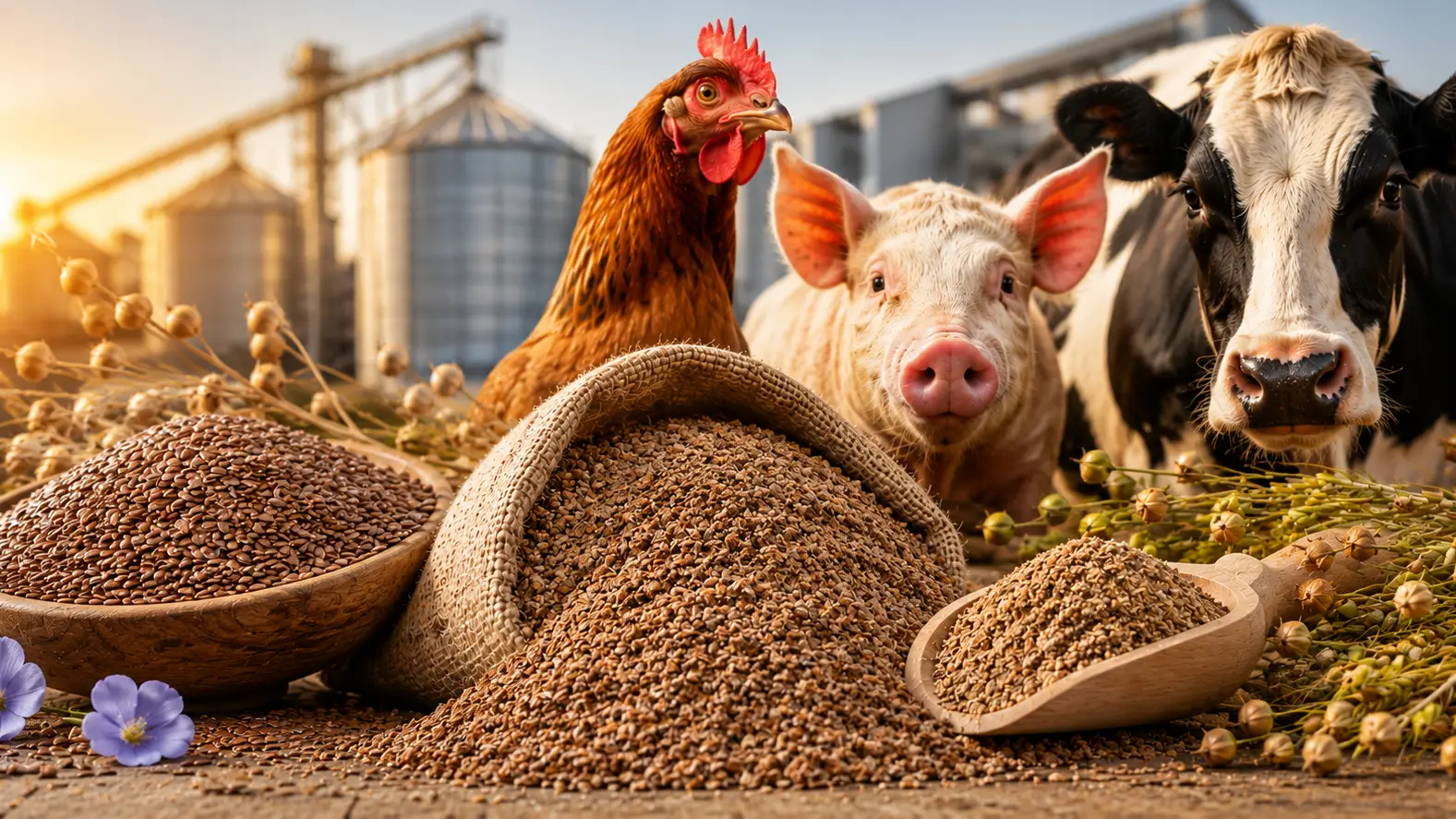
The primary commercial application of linseed meal is in animal feed, particularly as a protein and fiber source for livestock nutrition. Feed manufacturers evaluate ingredients based on nutritional composition, availability, digestibility, and compatibility with different animal diets. Linseed meal can be incorporated into formulations where plant-based feed ingredients are required.
According to the European Feed Manufacturers' Federation, feed manufacturers continuously optimize ingredient selection to improve sustainability, efficiency, and nutritional performance. This creates demand for diverse agricultural feed materials that can support modern livestock production systems.
Market Drivers Influencing Buyer Demand
Several factors influence commercial interest in linseed meal, including growth in livestock production, demand for alternative protein sources, and increasing focus on sustainable agricultural inputs. Buyers are looking beyond traditional feed ingredients and exploring materials that provide nutritional benefits while supporting supply-chain resilience.
Market analysis from agricultural and feed industry organizations highlights the importance of diversified ingredient sourcing as global food systems adapt to changing production conditions. For distributors and manufacturers, this creates opportunities to develop stronger sourcing networks for specialty feed ingredients.
Procurement teams purchasing linseed meal typically assess factors such as nutritional specifications, supply consistency, packaging options, and supplier reliability. These considerations directly influence purchasing decisions and long-term supplier relationships.
Industrial Applications and End-Use Opportunities for Linseed Meal
Animal Feed and Livestock Nutrition Applications
The largest industrial use case for linseed meal remains animal nutrition. Feed producers may use linseed meal as part of balanced formulations for livestock, where protein content and fiber characteristics are important considerations. The ingredient can support feed diversification strategies for manufacturers producing specialized nutritional products.
Research published through scientific institutions, including resources indexed by the National Center for Biotechnology Information, has examined the nutritional characteristics and potential functional benefits of flax-derived ingredients. Such research contributes to broader understanding of plant-based agricultural materials.
Opportunities Across Agricultural Processing Industries
Beyond direct feed applications, linseed meal represents an opportunity within wider agricultural processing networks. Oil processors, ingredient distributors, and feed companies can integrate linseed meal into their portfolios to meet demand for multifunctional agricultural materials.
For B2B buyers, understanding application requirements is essential before selecting suppliers. Different end users may require different specifications related to composition, handling, storage, and logistics. A well-developed sourcing strategy helps companies manage quality expectations while maintaining competitive supply options.
The increasing interest in sustainable agricultural inputs positions linseed meal as a commercially relevant ingredient for companies seeking plant-based solutions. As industries continue improving resource efficiency, demand for agricultural co-products is expected to remain an important market consideration.
Key Buyer Groups and Procurement Considerations for Linseed Meal
Who Buys Linseed Meal Commercially
Linseed meal buyers typically include animal feed manufacturers, agricultural ingredient distributors, livestock nutrition companies, and industrial traders. These organizations purchase the product in commercial quantities and evaluate suppliers based on availability, technical documentation, and supply-chain capability.
Procurement teams working in feed production often compare multiple suppliers to secure consistent quality and dependable delivery schedules. The ability to source from established suppliers is particularly important for businesses managing large-scale manufacturing operations.
Factors Evaluated During Supplier Selection
When purchasing linseed meal, buyers commonly review product specifications, sourcing origin, processing methods, packaging formats, and supplier experience. Consistency is a key factor because feed manufacturers require predictable ingredient characteristics for production planning.
Reliable supplier information allows buyers to make better procurement decisions. The Linseed Meal sourcing page provides a marketplace entry point where industrial buyers can explore supply opportunities and product details.
In competitive agricultural ingredient markets, supplier comparison is a standard purchasing practice. Buyers often evaluate pricing, logistics capability, technical support, and responsiveness before establishing long-term commercial partnerships.
Global Sourcing Strategies and Supply Chain Opportunities for Linseed Meal
Importance of Reliable Ingredient Supply Networks
Global agricultural supply chains depend on stable connections between producers, processors, distributors, and end users. For linseed meal buyers, sourcing reliability is essential because fluctuations in agricultural production, transportation conditions, and market demand can affect availability.
According to market and agricultural data from the United States Department of Agriculture, global agricultural commodity markets are influenced by production trends, trade conditions, and supply-chain developments. These factors affect how companies approach ingredient procurement.
Marketplace Opportunities for Buyers and Suppliers
Digital B2B marketplaces provide a more efficient way for industrial buyers to identify suppliers, compare product information, and develop international sourcing relationships. Platforms focused on industrial ingredients help connect manufacturers and distributors across different regions.
Tradeasia and Chemtradeasia marketplace solutions support businesses looking for structured sourcing channels for industrial materials. By providing product visibility and supplier connections, marketplace platforms can assist procurement teams in expanding sourcing options.
For suppliers, participation in international marketplaces creates opportunities to reach new buyer segments, including feed manufacturers, distributors, and industrial traders seeking agricultural ingredients.
Commercial Outlook and Future Opportunities for Linseed Meal Buyers
Future Demand Trends in Plant-Based Feed Ingredients
The demand for plant-derived feed ingredients is expected to remain relevant as agricultural industries focus on efficiency, sustainability, and diversified sourcing. Linseed meal benefits from its connection to flaxseed processing and its role as a value-added agricultural material.
Industry organizations continue highlighting the importance of sustainable feed systems and efficient resource utilization. These trends support continued evaluation of alternative ingredients by feed producers and agricultural companies.
For businesses involved in procurement, understanding market developments helps identify potential supply opportunities before demand increases. Strategic sourcing can improve resilience and support long-term operational planning.
Supporting B2B Procurement Through Better Market Access
Commercial success in agricultural ingredient trading depends on reliable information, supplier transparency, and efficient supply-chain management. Buyers require access to product details and sourcing channels that simplify purchasing decisions.
Tradeasia/Chemtradeasia marketplace positioning enables industrial buyers to explore Linseed Meal supplier information while connecting with potential supply partners. This approach supports companies seeking practical sourcing solutions within international ingredient markets.
As industries continue adopting sustainable and diversified raw material strategies, linseed meal remains a relevant product for feed manufacturers, distributors, and procurement teams. Businesses that develop strong supplier networks and understand application requirements will be better positioned to respond to evolving market opportunities.
Sources
- Food and Agriculture Organization of the United Nations (FAO) – Sustainable agricultural systems and food/feed resource efficiency
https://www.fao.org/
- United States Department of Agriculture (USDA) – Agricultural market and commodity information
https://www.usda.gov/
- National Center for Biotechnology Information (NCBI) – Scientific research database on flaxseed and agricultural nutrition studies
https://www.ncbi.nlm.nih.gov/
Leave a Comment