Introduction Lauric Acid
The Asian oleochemicals landscape is poised for a transformative first quarter in 2026, with lauric acid standing at the forefront of this evolution. As a critical medium-chain fatty acid derived predominantly from palm kernel oil (PKO) and coconut oil, lauric acid serves as a foundational building block for a vast array of consumer and industrial products. The convergence of regional economic policies, shifting consumer preferences towards bio-based ingredients, and the robust expansion of end-use industries is creating a perfect storm of demand. This article provides a comprehensive, data-driven analysis of the anticipated market trends for lauric acid across Asia in Q1 2026, with a particular focus on the pivotal role of the palm derivatives sector.
Understanding these trends is crucial for stakeholders across the value chain, from producers and traders to manufacturers and brand owners. The market is no longer just about commodity trading; it's about strategic sourcing, supply chain resilience, and leveraging the unique properties of oleochemicals to meet modern sustainability and performance benchmarks. As we delve into the specifics, we will examine the drivers, regional hotspots, product specifications, and the critical importance of partnering with established platforms like chemtradeasia.com and its regional portals to navigate this dynamic landscape successfully.
The Engine of Growth: Asia's Palm Derivatives Industry
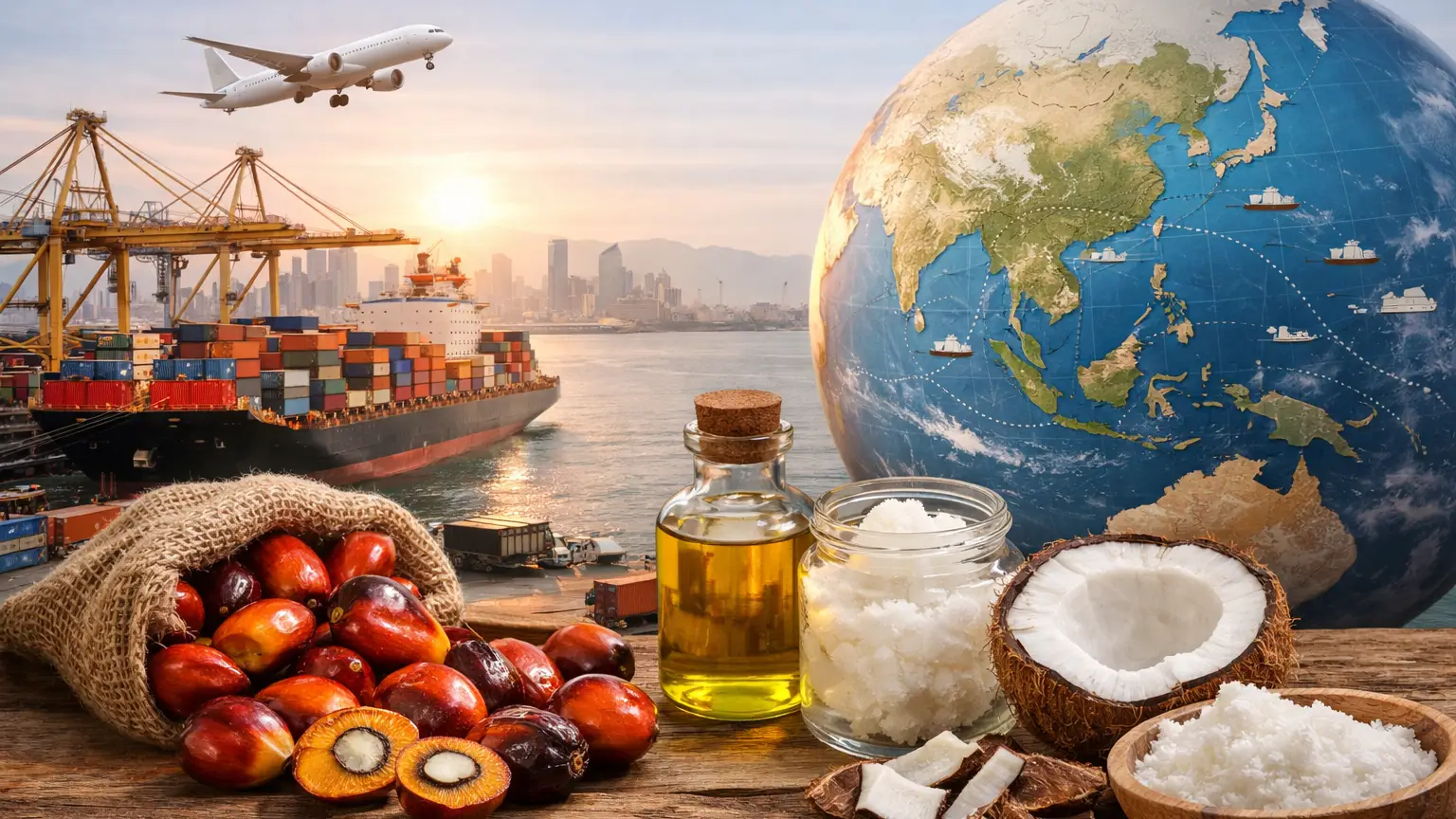
The palm derivatives industry is the undeniable powerhouse fueling the lauric acid market in Asia. Indonesia and Malaysia, commanding over 85% of global palm oil production, are the epicenters of this activity. In Q1 2026, we anticipate a strategic shift within these nations from bulk crude palm oil (CPO) exports towards higher-value-added refined, fractionated, and derivative products. This "downstreaming" policy, actively encouraged by government incentives, is designed to capture more economic value domestically. Consequently, investments in new oleochemical complexes and biorefineries are expected to accelerate, directly increasing the regional availability of palm kernel oil and its primary derivatives like lauric acid.
This industrial expansion is not limited to Southeast Asia. Countries like India and China, while major importers of raw materials, are also rapidly scaling their own refining and oleochemical processing capacities to secure supply and reduce dependency. This creates a complex, interconnected web of trade where semi-processed palm derivatives move between nations for further value addition. The net effect for lauric acid is a more diversified, yet competitive, production base within Asia, potentially leading to greater price stability and innovation in product grades tailored to specific industrial needs, accessible through platforms like oleochemicalsasia.com.
Key Market Drivers and Regional Demand Analysis
Several powerful macro and micro-economic drivers are converging to boost lauric acid consumption in Asia for Q1 2026. Foremost is the relentless growth of the personal care and cosmetics industry, particularly in China, South Korea, Japan, and India. Lauric acid and its derivatives (e.g., sodium lauryl sulfate, cocamidopropyl betaine) are prized for their excellent foaming, cleansing, and emulsifying properties. The trend towards "clean beauty" and natural ingredients directly benefits plant-based oleochemicals, creating sustained demand. Secondly, the food industry continues to utilize lauric acid esters as emulsifiers and stabilizers, especially in the burgeoning plant-based dairy and confectionery segments.
Regionally, demand patterns will exhibit distinct characteristics. Southeast Asia (ASEAN) will see strong demand driven by domestic personal care manufacturing and growing exports of finished products. China's demand will be multifaceted, supporting its massive manufacturing sectors for household cleaners, cosmetics, and industrial lubricants. India's growth will be particularly sharp, fueled by rising disposable incomes, urbanization, and government initiatives like "Make in India" promoting domestic manufacturing of consumer goods. Japan and South Korea will represent the high-value, innovation-driven segment, demanding ultra-pure and specialty grades of lauric acid for premium cosmetics and high-performance industrial applications.
Spotlight on Lauric Acid: Specifications and Primary Applications
Lauric acid, systematically known as dodecanoic acid, is a saturated fatty acid with a 12-carbon chain. Its market value stems from a unique combination of chemical and physical properties. It typically appears as a white, crystalline solid or powder with a characteristic faint, fatty odor. Key specifications that buyers must evaluate include acid value (typically 276-280), iodine value (max 1.0, indicating high saturation), saponification value, and melting point (around 44°C). The grade, whether technical, food, or pharmaceutical, dictates permissible levels of impurities like moisture, unsaponifiable matter, and other fatty acid compositions.
The applications of lauric acid are remarkably diverse, underpinning its market strength. In oleochemicals manufacturing, it is the primary feedstock for producing alcohol sulfates, betaines, and other surfactants that form the backbone of liquid soaps, shampoos, and detergents. Its antimicrobial and moisturizing properties make it invaluable in creams, lotions, and topical ointments. In the food sector, it is used in the production of emulsifiers, flavoring agents, and as a coating for fruits and vegetables. Beyond these, emerging applications include its use in lubricants, plastics, and as a precursor for biodiesel, showcasing its versatility as a palm derivative.
When sourcing, it is critical to match the lauric acid specification to the intended use. For instance, a high-purity grade with low odor and color is non-negotiable for premium cosmetic formulations, whereas a standard technical grade may suffice for industrial soap production. Reliable suppliers provide detailed Certificates of Analysis (CoA) and can offer guidance on the optimal product for a given application, a service hallmark of established networks like those accessible via chemtradeasia.co.id for the Indonesian market or chemtradeasia.in for the Indian subcontinent.
Supply Chain Dynamics and Price Trends in Q1 2026
The supply chain for lauric acid in Q1 2026 will be characterized by both opportunities and challenges. On the supply side, the aforementioned expansion in oleochemical refining capacity in Indonesia and Malaysia is expected to increase overall availability. However, this is contingent on stable yields of palm kernels, which can be affected by seasonal weather patterns, labor issues, and environmental regulations. Furthermore, the competition for palm kernel oil from other high-value sectors, such as specialty fats for chocolate and infant formula, could tighten feedstock supply for lauric acid production, creating upward price pressure.
Price trends in Q1 2026 are forecasted to remain volatile but with an overall firming bias. Factors influencing this include crude palm oil (CPO) futures prices, which lauric acid prices closely correlate with, freight and logistics costs from Southeast Asia to major consumption hubs, and currency exchange rate fluctuations. The quarter may see price spikes driven by pre-holiday stockpiling in Q4 2025 or unexpected supply disruptions. Buyers are advised to adopt a proactive procurement strategy, potentially considering forward contracts or diversified sourcing through B2B platforms to mitigate spot market volatility and ensure consistent supply for their production schedules.
Strategic Sourcing and Partnering with Reliable Suppliers
In a market as dynamic as Asia's lauric acid and oleochemicals sector, strategic sourcing transcends simple price negotiation. It involves building partnerships with suppliers who offer reliability, quality assurance, and market intelligence. The risks of sourcing from unverified vendors include inconsistent quality leading to production downtime, logistical delays, and a lack of technical support. Therefore, partnering with established, reputable suppliers and B2B platforms becomes a critical competitive advantage.
Platforms like Chemtradeasia (with its regional portals chemtradeasia.com, chemtradeasia.in, and chemtradeasia.co.id) and specialized hubs like oleochemicalsasia.com play an indispensable role. They aggregate verified suppliers, provide transparent market data and trend analysis, and facilitate secure transactions. For a buyer, this means access to a wider pool of quality-certified palm derivatives, the ability to compare specifications and prices efficiently, and reduced counterparty risk. These platforms often handle the complexities of international trade documentation, logistics, and quality disputes, allowing manufacturers to focus on their core business while securing a resilient supply of essential raw materials like lauric acid.
Conclusion
The Q1 2026 outlook for the lauric acid market in Asia is decidedly bullish, driven by the synergistic growth of the palm derivatives and end-user industries. The shift towards downstream value addition in producing nations, coupled with robust demand from personal care, food, and industrial sectors across the continent, sets the stage for a period of significant activity and innovation. Market participants must, however, navigate inherent volatilities in supply and price with strategic acumen.
Success in this environment will belong to those who combine deep market insight with robust supply chain partnerships. Understanding the precise specifications of lauric acid for your application, monitoring regional demand shifts, and leveraging the connectivity and reliability of established B2B procurement platforms are no longer optional, they are essential strategies. By doing so, businesses can not only secure their supply of this vital oleochemical but also position themselves to capitalize on the immense growth opportunities presented by Asia's evolving chemical landscape in 2026 and beyond.
Leave a Comment