Introduction to L-Valine and Its Commercial Importance
Understanding L-Valine as an Essential Amino Acid
L-Valine is one of the three branched-chain amino acids (BCAAs) required for protein synthesis and metabolic functions in humans and animals. Since animals cannot synthesize sufficient quantities on their own, industrially produced L-Valine has become an important ingredient in livestock feed formulations, nutritional supplements, pharmaceutical products, and selected food applications.
The growing emphasis on efficient animal production has significantly increased demand for amino acid supplementation. Feed manufacturers use L-Valine to optimize dietary protein utilization while improving feed conversion efficiency, supporting both productivity and sustainability goals.
According to the Food and Agriculture Organization, precision nutrition continues to play an increasingly important role in improving livestock productivity while reducing environmental impacts associated with excess nitrogen excretion. This trend has strengthened the commercial relevance of feed-grade amino acids such as L-Valine.
As international livestock production expands and nutrition standards become more sophisticated, L-Valine has evolved from a specialty ingredient into a strategic commodity within global agricultural and chemical supply chains.
Global L-Valine Supply Chain Overview
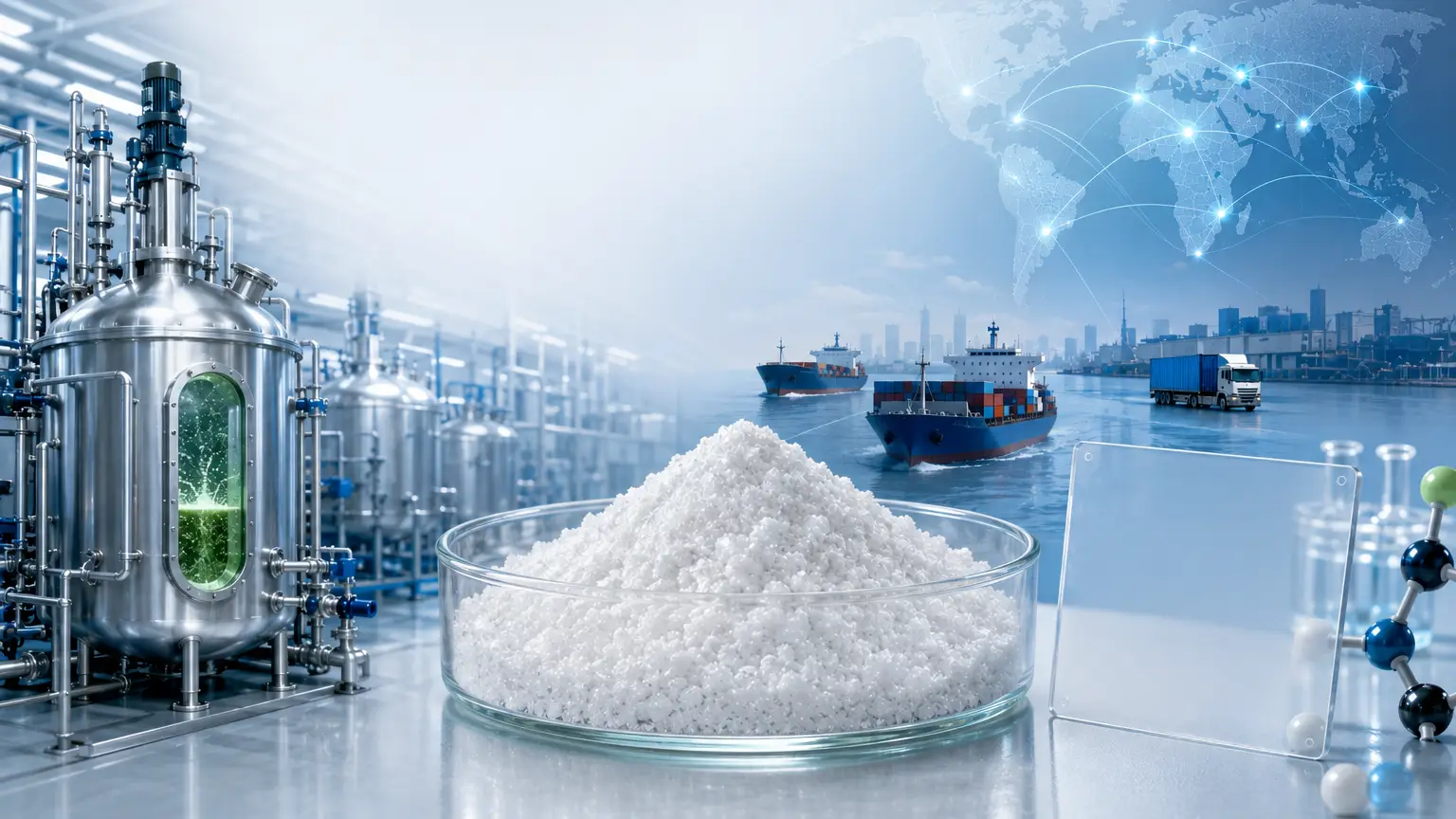
Commercial L-Valine is primarily produced through microbial fermentation using renewable carbohydrate feedstocks such as glucose derived from corn, sugarcane, or cassava. Advances in biotechnology have improved fermentation yields while lowering production costs and environmental impacts.
Asia, particularly China, has become the world's dominant manufacturing hub for feed-grade amino acids due to extensive fermentation infrastructure, competitive production costs, and integrated raw material availability. Other countries continue expanding production capacity to diversify regional supply.
According to the United States Department of Agriculture, global feed demand continues to grow alongside increasing meat, poultry, aquaculture, and dairy production, reinforcing long-term demand for amino acid ingredients throughout international supply networks.
International distributors, chemical traders, and procurement teams closely monitor freight rates, energy prices, raw material costs, and regulatory developments because these factors directly influence product availability, lead times, and landed costs across importing regions.
Production Technologies and Manufacturing Landscape
Modern L-Valine manufacturing relies predominantly on microbial fermentation using genetically optimized bacterial strains. Compared with traditional chemical synthesis methods, fermentation provides higher optical purity while supporting sustainable industrial production.
Continuous investments in strain engineering, process optimization, and downstream purification technologies have enabled manufacturers to improve production efficiency, reduce waste generation, and achieve consistent product quality that meets feed, food, and pharmaceutical standards.
Technical information published by European Food Safety Authority highlights the importance of maintaining strict purity specifications, traceability, and manufacturing controls for amino acids intended for animal nutrition applications.
Manufacturers are also increasingly integrating digital monitoring systems, automated quality assurance, and sustainability initiatives into production facilities. These improvements enhance operational resilience while supporting international buyers seeking reliable long-term sourcing partners.
Market Demand Across Major Industries
Demand for L-Valine continues to increase as livestock producers seek more efficient feeding programs that improve productivity while reducing overall protein inclusion. The poultry, swine, aquaculture, and ruminant sectors represent the largest consumers of feed-grade L-Valine due to the growing adoption of precision amino acid nutrition.
Beyond animal nutrition, food and beverage manufacturers use L-Valine in specialized nutritional formulations, while pharmaceutical and nutraceutical companies incorporate the amino acid into dietary supplements and medical nutrition products. These diversified applications help strengthen global consumption even when individual sectors experience temporary fluctuations.
According to the International Feed Industry Federation, global feed production continues to evolve toward higher nutritional efficiency, encouraging wider adoption of essential amino acids in commercial feed formulations. This trend supports long-term growth opportunities for manufacturers and international distributors.
As protein consumption rises across developing economies and feed producers pursue cost optimization, L-Valine is expected to remain a strategically important ingredient within global amino acid markets. Buyers increasingly value suppliers capable of ensuring consistent quality, regulatory compliance, and dependable delivery schedules.
Procurement Considerations for Global Buyers
Procurement teams purchasing L-Valine typically include feed manufacturers, premix producers, food ingredient companies, pharmaceutical formulators, chemical distributors, and international trading firms. Their purchasing priorities extend beyond price to include product consistency, documentation, logistics capability, and supply reliability.
Before selecting a supplier, buyers commonly evaluate manufacturing certifications, product specifications, purity, packaging options, country of origin, lead times, production capacity, and compliance with destination market regulations. Stable inventory availability and transparent communication are also critical factors in long-term procurement partnerships.
Based on technical guidance published by the Food and Agriculture Organization, quality assurance and traceability remain essential components of modern feed ingredient procurement, particularly for internationally traded amino acids. Reliable documentation helps buyers meet regulatory requirements while minimizing operational risks.
A comprehensive product page supports sourcing decisions by providing technical specifications, commercial packaging information, available grades, regulatory documentation, and supply capabilities. This allows procurement professionals to compare suppliers efficiently and identify partners capable of supporting consistent global operations.
Future Supply Chain Outlook
The global L-Valine supply chain is expected to become increasingly resilient through continued investment in biotechnology, manufacturing efficiency, and diversified sourcing strategies. Producers are expanding fermentation capacity while implementing automation and digital monitoring systems to improve production consistency and operational performance.
Regional supply diversification is also becoming an important trend as buyers seek to reduce dependence on single-country sourcing. Establishing multiple procurement channels helps companies manage geopolitical risks, transportation disruptions, and fluctuations in raw material availability.
According to the Organisation for Economic Co-operation and Development and the Food and Agriculture Organization Agricultural Outlook, global livestock production is projected to continue growing over the coming years, supporting sustained demand for feed ingredients and amino acids throughout international markets.
For manufacturers, distributors, and procurement teams, maintaining long-term supplier relationships, monitoring market developments, and prioritizing supply chain resilience will remain essential strategies for securing competitive access to L-Valine in an evolving global marketplace.
Conclusion
L-Valine has become an indispensable amino acid across animal nutrition, food, and pharmaceutical industries due to its role in supporting protein synthesis and efficient nutritional formulations. Continuous advancements in fermentation technology, increasing global feed production, and growing demand for sustainable livestock nutrition continue to reinforce its commercial importance.
As international supply chains become more sophisticated, buyers are placing greater emphasis on supplier reliability, product quality, regulatory compliance, and logistics performance. Companies that adopt strategic sourcing practices and maintain diversified supplier networks are better positioned to manage market volatility while ensuring uninterrupted operations.
For organizations seeking dependable access to high-quality L-Valine, working with an experienced global chemical sourcing partner can simplify procurement, improve supply continuity, and support long-term business growth. Tradeasia, Chemtradeasia, and Tradechem Marketplace connect buyers with trusted manufacturers and international supply networks, helping businesses source industrial chemicals and feed ingredients with confidence across global markets.
Sources
https://www.fao.org
https://www.efsa.europa.eu

Leave a Comment