Global L-Valine Supply Chain Trends for Strategic Industrial Procurement
Introduction to the Global L-Valine Market
The global L-Valine market has become an essential component of the amino acid industry due to increasing demand from animal nutrition, pharmaceutical, and food processing sectors. As one of the branched-chain amino acids (BCAAs), L-Valine supports numerous industrial formulations where consistent quality and dependable supply are critical. Growing industrial production and international trade continue to strengthen its role in global chemical distribution.
Industrial buyers are increasingly prioritizing supply reliability over simple price competitiveness. Procurement teams now evaluate supplier capabilities, manufacturing standards, logistics performance, and long-term availability before making sourcing decisions. These factors have become central to maintaining uninterrupted production across multiple industries.
The Importance of Supply Chain Visibility
Supply chain transparency has emerged as a competitive advantage for manufacturers and distributors. Buyers require greater visibility into production capacity, quality assurance systems, and export capabilities to reduce procurement risks while improving operational efficiency.
Market analysts estimate the global amino acid market will continue expanding at a compound annual growth rate (CAGR) of approximately 6–8% through 2030, driven by rising demand for feed additives and nutritional ingredients. Within this market, L-Valine remains a strategically important specialty amino acid because of its broad industrial relevance and increasing international trade.
Understanding the L-Valine Supply Chain
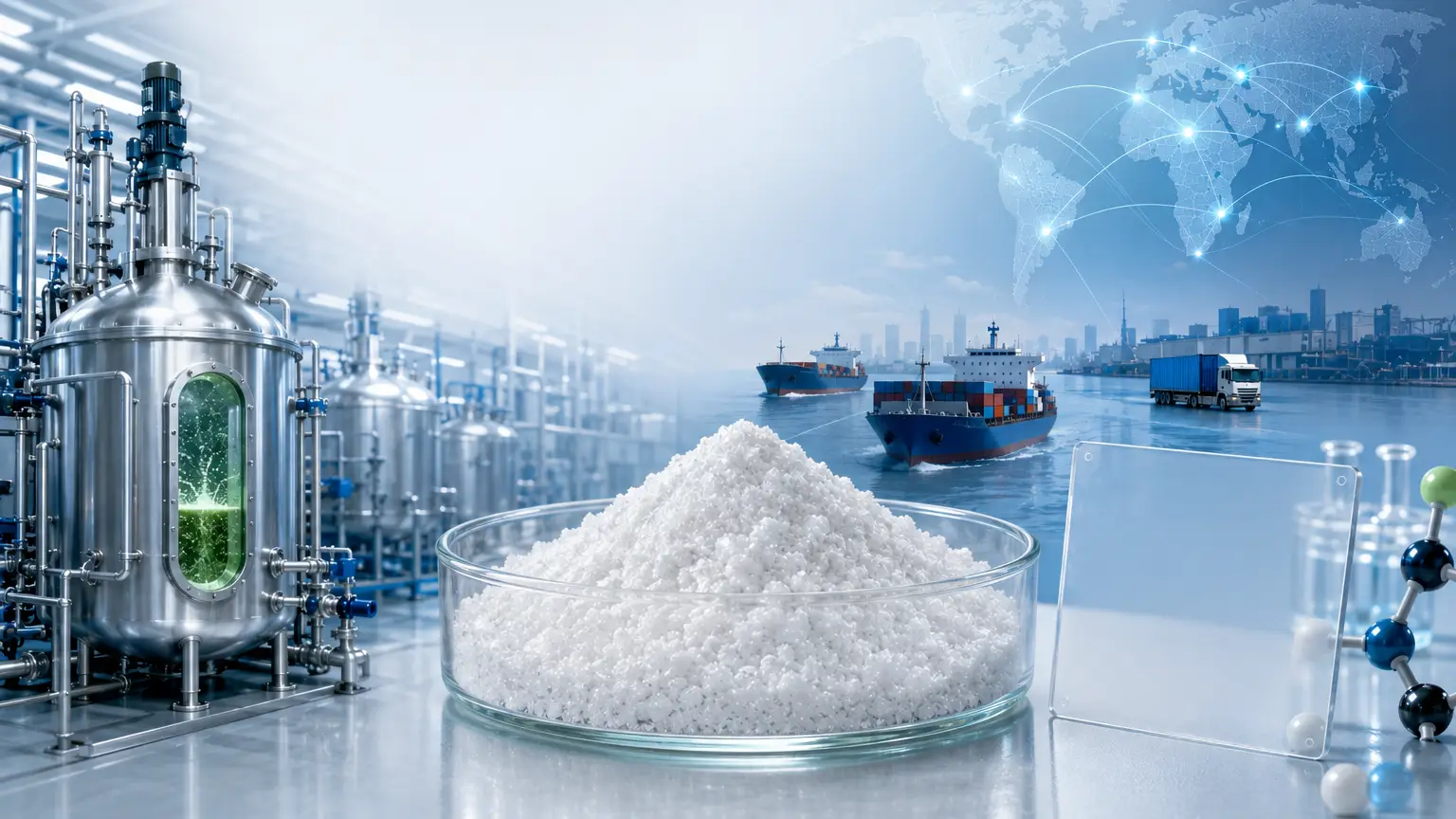
The L-Valine supply chain begins with the sourcing of fermentation raw materials, followed by microbial fermentation, purification, crystallization, drying, quality inspection, packaging, and international distribution. Every stage requires strict process control to maintain product purity and compliance with industrial specifications.
Modern manufacturers rely on biotechnology and advanced fermentation techniques to achieve consistent product quality while improving manufacturing efficiency. Investments in process automation continue to reduce production variability and optimize resource utilization.
Supply Chain Integration
Integrated supply chains allow manufacturers to coordinate raw material procurement, production scheduling, inventory management, and export logistics more effectively. This integration minimizes lead times while improving responsiveness to fluctuating global demand.
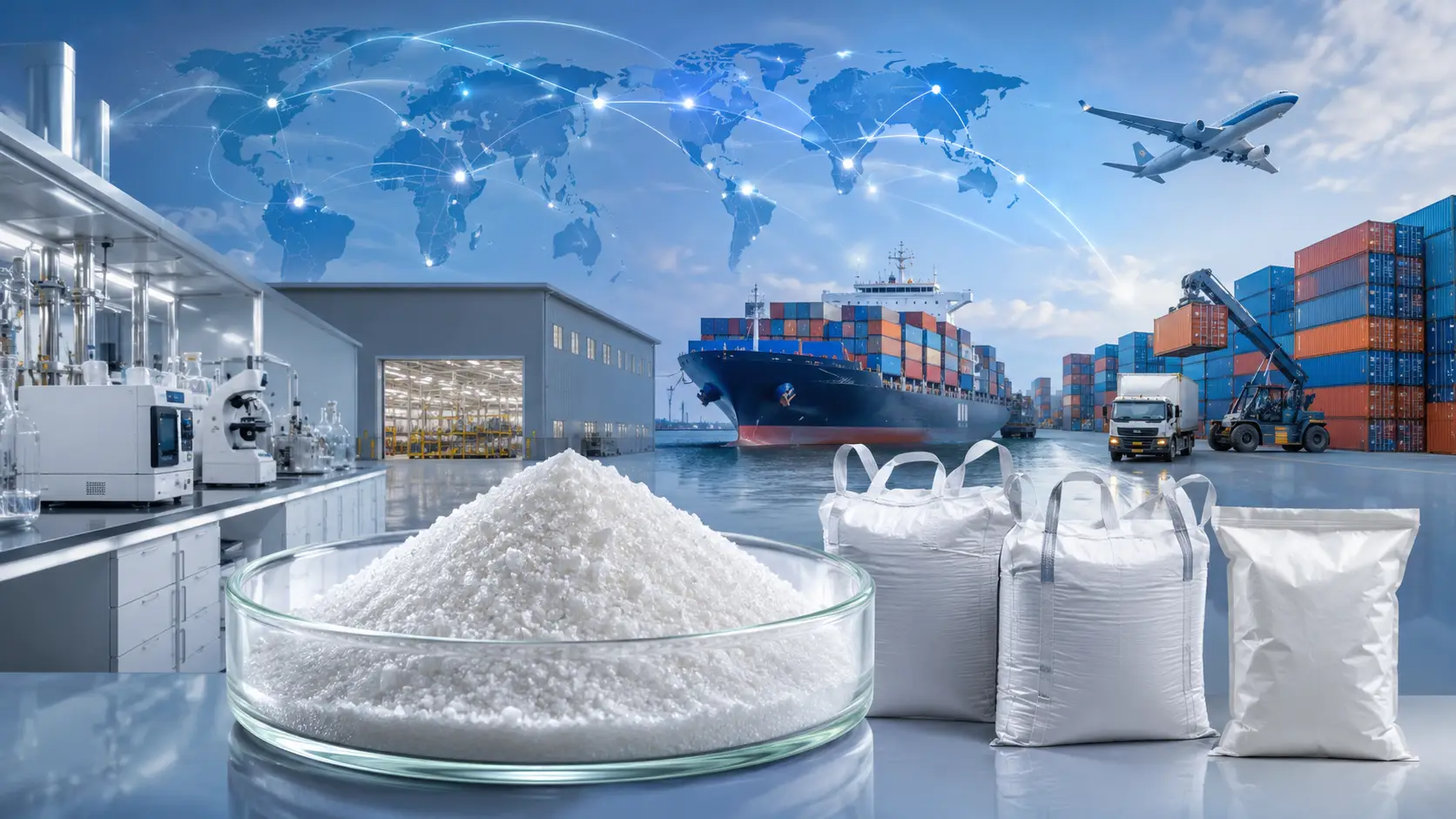
Efficient international logistics networks, regional warehousing, and experienced chemical distributors further strengthen supply continuity. Companies capable of managing these interconnected activities are generally better positioned to serve multinational buyers requiring stable long-term procurement partnerships.
Key Production Regions and Manufacturing Landscape
Asia remains the dominant production hub for L-Valine, supported by mature fermentation technology, competitive manufacturing costs, and extensive export infrastructure. China, in particular, accounts for a significant share of global amino acid production, while other Asian countries continue expanding manufacturing capacity to meet growing international demand.
Europe and North America primarily focus on high-value applications, quality assurance, and regulatory compliance rather than large-scale production. Regional distributors often supplement domestic demand through strategic imports from established Asian manufacturers.
Manufacturing Capacity and Global Trade
Continuous investments in biotechnology, production efficiency, and environmental sustainability are reshaping the competitive landscape. Larger manufacturers increasingly emphasize energy-efficient production methods while maintaining consistent product quality for international markets.
Global L-Valine pricing is influenced by fermentation feedstock costs, energy prices, freight expenses, exchange rate fluctuations, and regional demand conditions. Industrial-grade L-Valine commonly trades within a broad range of USD 2,500–4,500 per metric ton, depending on purity, order volume, and supply agreements. This pricing environment encourages buyers to establish long-term sourcing partnerships that reduce procurement uncertainty.
Market Drivers Influencing Global Supply
The global L-Valine supply chain continues to evolve as demand increases across animal nutrition, pharmaceutical manufacturing, and food ingredient production. Expanding livestock industries and greater emphasis on high-performance feed formulations have encouraged manufacturers to increase production capacity while improving process efficiency. At the same time, growing investments in biotechnology are supporting higher fermentation yields and more sustainable manufacturing practices.
International trade patterns also influence product availability. Export regulations, shipping capacity, and regional economic conditions can affect delivery schedules and pricing, making market intelligence an important tool for procurement teams seeking long-term supply stability.
Factors Shaping Supply and Demand
Raw material availability remains one of the primary determinants of production costs. Feedstock prices, energy consumption, labor expenses, and environmental compliance all contribute to manufacturing economics. As sustainability becomes a competitive differentiator, producers are adopting cleaner technologies to reduce emissions while maintaining productivity.
Industry forecasts indicate that demand for amino acids will continue growing over the next decade, supported by increasing protein consumption, modern livestock production, and expanding pharmaceutical applications. These long-term fundamentals are expected to strengthen the global L-Valine market despite periodic supply fluctuations.
Procurement Challenges and Risk Management
Industrial procurement teams increasingly recognize that supply continuity depends on more than selecting the lowest-priced supplier. Market volatility, logistics disruptions, and changing international trade policies require comprehensive risk management strategies that protect production schedules and inventory levels.
Supplier qualification has therefore become a critical procurement activity. Buyers typically evaluate manufacturing certifications, production capacity, quality management systems, export experience, and historical delivery performance before establishing strategic purchasing agreements.
Building Supply Chain Resilience
Diversifying sourcing locations helps reduce dependence on a single production region while improving flexibility during market disruptions. Maintaining safety stock and forecasting future demand also contribute to stronger procurement resilience.
Digital supply chain technologies are further improving visibility through shipment tracking, inventory optimization, and demand forecasting. These capabilities enable procurement professionals to respond more effectively to unexpected changes in global market conditions while maintaining consistent product availability.
Strategic Sourcing for Industrial Buyers
Successful L-Valine procurement requires balancing quality, cost efficiency, regulatory compliance, and reliable logistics. Long-term partnerships with experienced manufacturers and global distributors often provide greater supply security than relying solely on short-term purchasing decisions.
Industrial buyers also benefit from suppliers capable of providing consistent documentation, technical support, and flexible shipment options. These value-added services contribute to smoother procurement processes and stronger operational performance across international supply chains.
Selecting the Right Supply Partner
Reliable suppliers typically demonstrate consistent manufacturing standards, stable production capacity, transparent quality control, and efficient export operations. Their ability to accommodate varying order volumes and delivery schedules provides additional confidence for buyers operating in competitive markets.
Global chemical trading companies play an important role by connecting manufacturers with industrial customers across multiple regions. Their market expertise, logistics networks, and sourcing capabilities simplify procurement while helping businesses respond to changing market requirements.
Future Outlook of the L-Valine Supply Chain
The outlook for the global L-Valine market remains positive as industries continue investing in nutritional innovation, biotechnology, and sustainable production. Manufacturers are expected to increase automation, improve fermentation efficiency, and strengthen environmental performance to remain competitive in international markets.
Digital procurement platforms, improved logistics infrastructure, and greater transparency throughout global supply chains are also transforming how industrial buyers source specialty amino acids. These developments are likely to improve supply reliability while supporting more efficient purchasing decisions.
Emerging Opportunities
Growing demand from developing economies, advances in industrial biotechnology, and continued expansion of animal nutrition markets are expected to create new opportunities for manufacturers, distributors, and procurement professionals. Companies that invest in resilient supply networks and strategic supplier relationships will be better positioned to manage future market changes.
As global trade continues to evolve, organizations that combine market intelligence with diversified sourcing strategies are expected to achieve stronger operational resilience and sustainable long-term growth.
Conclusion
L-Valine remains a strategically important amino acid within the global specialty chemical market, supported by expanding demand across animal nutrition, pharmaceutical, and food manufacturing industries. A well-managed supply chain, combined with reliable production capabilities and efficient international logistics, enables businesses to maintain consistent product availability while minimizing procurement risks.
For organizations seeking dependable sourcing solutions, partnering with an experienced global chemical supplier can improve procurement efficiency, strengthen supply chain resilience, and support long-term business growth. Tradeasia International leverages an extensive supplier network, comprehensive logistics expertise, and industry knowledge to help industrial buyers secure high-quality L-Valine for diverse commercial applications worldwide.
Sources
https://www.grandviewresearch.com/industry-analysis/amino-acids-market
https://www.fortunebusinessinsights.com/feed-amino-acids-market-103160
https://www.oecd.org/agriculture/agricultural-outlook/
Leave a Comment