Introduction
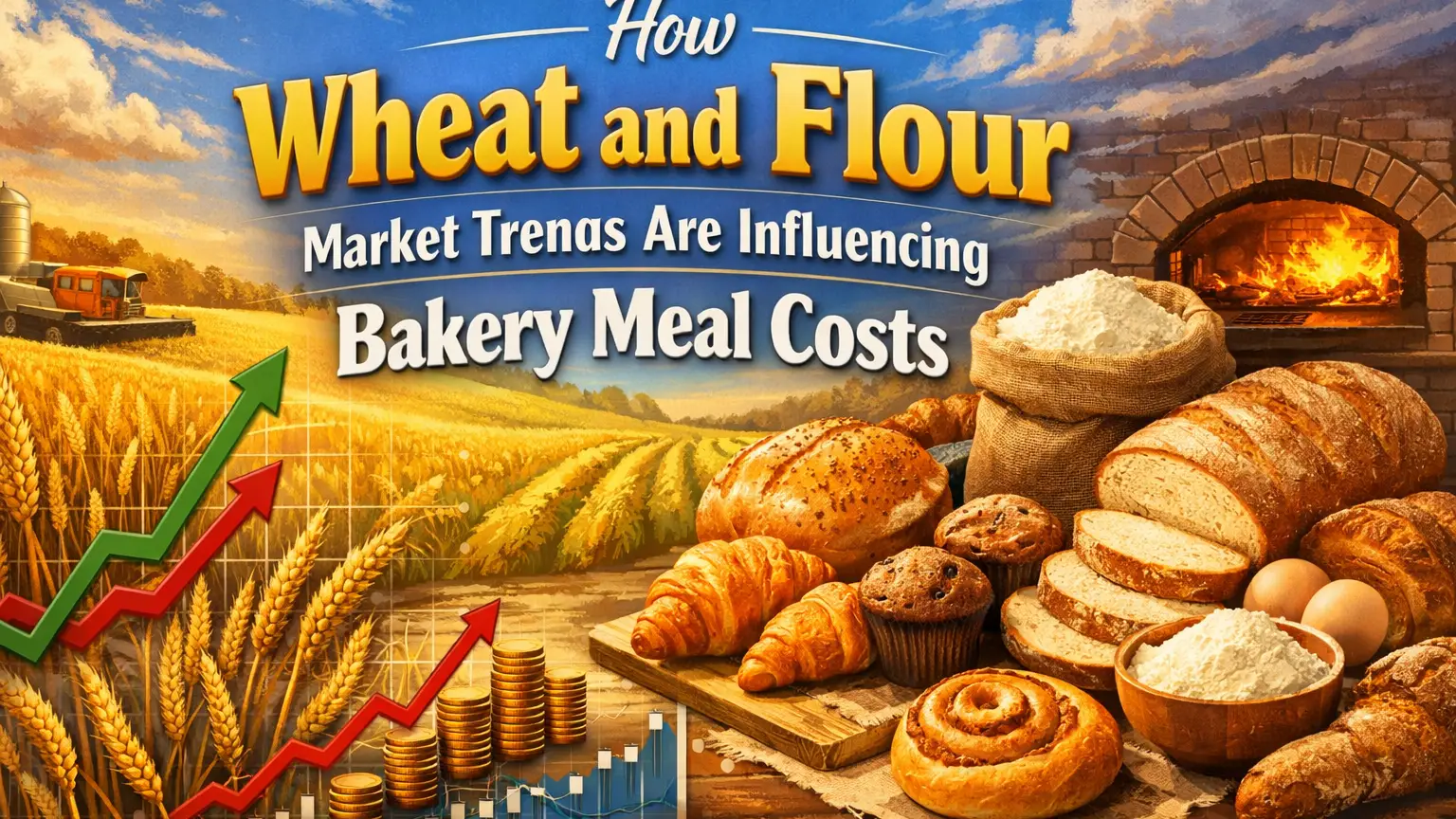
The cost of a simple bakery meal in America—a sandwich on artisan bread, a breakfast pastry with coffee, or a slice of cake—depends far more on global commodity dynamics than many customers realize. At the heart of these meals lies wheat and flour, ingredients whose prices are shaped by weather patterns, geopolitical tensions, freight costs, and evolving consumer preferences. When wheat prices spike, bakery operators across the United States feel the impact in their margins, menu pricing, and product strategy.
Over the last decade, the wheat and flour markets have experienced repeated cycles of volatility. Droughts in key exporting countries, disruptions in the Black Sea region, and pandemic-related supply chain shocks have all contributed to price swings. For American bakeries—ranging from small neighborhood shops to industrial-scale producers supplying national chains—these fluctuations can make it difficult to maintain stable bakery meal costs without sacrificing quality or portion sizes.
In this environment, reliable sourcing and smart procurement strategies are as important as recipe innovation. Digital ingredient platforms such as chemtradeasia.com have emerged as critical tools, helping bakeries secure consistent supplies of wheat-based ingredients, manage price risk, and access a broader network of vetted suppliers. Understanding how wheat and flour market trends intersect with these procurement solutions is essential for any bakery business seeking to protect profitability while keeping bakery meals affordable for American consumers.
Global Wheat & Flour Market Trends Shaping American Bakeries
Global wheat production has grown steadily over the long term, but short-term volatility has become more pronounced. According to data from the USDA, world wheat output surpassed 780 million metric tons in recent years, yet regional weather events—such as droughts in North America or excessive rainfall in Europe—can quickly tighten supply. When major exporters like the United States, Russia, Canada, or Australia report lower yields, international wheat prices on exchanges such as the Chicago Board of Trade (CBOT) typically rise, creating a ripple effect that reaches American flour mills and, ultimately, bakeries.
Geopolitical events have also reshaped trade flows. The Black Sea region, especially Russia and Ukraine, accounts for a significant share of global wheat exports. Conflicts and sanctions have periodically constrained shipments, pushed up freight insurance costs, and increased uncertainty in global supply. Even when American wheat production is stable, disruptions abroad can lift benchmark prices and make imported flour or specialty wheat varieties more expensive for U.S. buyers. This interconnectedness means that American bakery meal costs are increasingly influenced by factors far beyond domestic fields.
Another important trend is the shift in consumer demand toward higher-protein flours, whole grains, and specialty wheat-based products such as organic or non-GMO flour. These segments often rely on more specific supply chains and smaller production bases, making them more sensitive to disruptions and price changes. As more American consumers seek artisan breads, high-fiber pastries, and premium baked goods, bakeries must balance the cost of these specialty flours with the price sensitivity of their customers. Platforms like chemtradeasia.com can help bakeries navigate these niche markets by connecting them with multiple producers and offering alternative origins or specifications.
Cost Structure of Bakery Meals in America
To understand how wheat and flour trends influence bakery meal costs, it is useful to break down the cost structure of a typical bakery product. For many bread and pastry items, raw materials—primarily flour, but also sugar, fats, and yeast—can account for 25–40% of the total production cost. Labor, energy, rent, packaging, and distribution make up the remainder. When flour prices rise sharply, the direct ingredient cost component can increase enough to compress margins significantly, especially for products where flour is the dominant input, such as sandwich loaves, baguettes, and rolls.
Consider a simple example: if flour represents 30% of the cost of producing a loaf of bread and flour prices increase by 20%, the overall production cost for that loaf can rise by roughly 6%. While this may sound modest, bakery margins are often thin, and competitive pressure may limit the extent to which prices can be passed on to customers. For bakery meals that bundle multiple flour-based items—such as a sandwich, a side pastry, and a cookie—the compounded effect of higher flour costs across each component can meaningfully impact profitability.
American bakeries also face regional variations in operating costs and competitive dynamics. Urban bakeries may pay higher rents and wages but can sometimes command premium prices for artisan products. Suburban or rural bakeries may operate with lower overhead but serve more price-sensitive customers. In both scenarios, effective ingredient sourcing is essential. By leveraging suppliers and platforms like chemtradeasia.com, bakeries can access more competitive flour prices, diversify supply sources, and reduce exposure to local shortages or price spikes, stabilizing the ingredient portion of their cost structure.
Role of Ingredient Platforms like chemtradeasia.com
The traditional model of ingredient procurement often relied on a small number of local distributors or long-standing relationships with mills and wholesalers. While these relationships remain important, they can limit visibility into broader market options and alternative supply sources. Digital ingredient marketplaces such as chemtradeasia.com have changed this landscape by aggregating offers from multiple producers and traders, allowing bakeries and food manufacturers to compare specifications, prices, and origins in a more transparent way.
chemtradeasia.com functions as a B2B platform that connects buyers of industrial ingredients—including wheat-based and bakery-related products—with a network of global suppliers. Through this platform, American bakeries and intermediaries can source items such as bulk wheat flour, gluten, starches, food-grade additives, and other complementary ingredients. The platform’s structure enables buyers to request quotations, negotiate terms, and manage documentation and logistics with greater efficiency than traditional phone- or email-based procurement.
In the context of wheat and flour market volatility, this broader supplier access can be a strategic advantage. When one region experiences poor harvests or supply disruptions, buyers using chemtradeasia.com can explore alternative origins or substitute products more quickly. The ability to evaluate multiple options—different protein levels, ash contents, or packaging formats—helps bakeries align ingredient choices with their product requirements and cost targets. This flexibility is crucial for maintaining consistent bakery meal quality and pricing in a changing market environment.
Features and Benefits of Sourcing via chemtradeasia.com
One of the key features of chemtradeasia.com is its emphasis on standardized product information and specifications. For wheat flour and related bakery ingredients, buyers can typically review details such as protein content, moisture levels, ash content, gluten strength, and packaging sizes. This level of transparency allows bakery technical teams and procurement managers to match ingredients precisely to their process needs—whether they require high-gluten flour for pan bread, medium-strength flour for cookies, or specialized blends for laminated pastries.
Another important benefit is risk diversification. By providing access to multiple suppliers across different countries, chemtradeasia.com enables bakeries and food manufacturers to avoid over-reliance on a single mill or origin. During periods of regional crop failures or logistics bottlenecks, this diversification can help maintain continuity of supply and prevent production interruptions. For American bakeries that operate multiple locations or supply retail chains, the ability to secure consistent deliveries of bulk wheat flour and related products is essential for meeting customer demand and avoiding stockouts that could damage brand reputation.
Cost management is also enhanced through the platform. Because chemtradeasia.com aggregates competing offers, buyers can benchmark prices and negotiate more effectively. In some cases, bakeries may be able to lock in forward contracts or agree on volume-based pricing that smooths out the impact of short-term market spikes. Combined with internal strategies such as recipe optimization and yield improvement, this can help stabilize bakery meal costs over time. Additionally, streamlined documentation and logistics coordination reduce administrative overhead, freeing up resources that can be invested in product innovation, marketing, or equipment upgrades.
Conclusion
Wheat and flour markets play a central role in determining the cost of bakery meals across America. From global weather patterns and geopolitical events to shifts in consumer demand for premium and specialty baked goods, numerous forces influence the prices that bakeries pay for their core ingredients. As these markets become more interconnected and occasionally more volatile, relying solely on traditional sourcing channels can expose bakery businesses to unnecessary risk and cost pressure.
Digital ingredient platforms such as chemtradeasia.com offer a practical way for bakeries and food manufacturers to respond to these challenges. By providing access to a wide network of suppliers, detailed product specifications, and competitive pricing options, the platform helps businesses secure reliable supplies of bulk wheat flour and related ingredients. This, in turn, supports more stable bakery meal costs, better margin protection, and the flexibility to adapt product offerings as market conditions change.
For American bakery operators—whether independent shops, regional chains, or industrial producers—understanding the connection between wheat market trends, flour pricing, and procurement strategy is no longer optional. Integrating tools like chemtradeasia.com into sourcing practices can be a strategic step toward resilience, enabling bakeries to continue delivering high-quality, affordable bakery meals even in a world of shifting commodity markets.
Leave a Comment