Introduction
Evolving Supply Chain Dynamics in Sodium Sulphite Markets
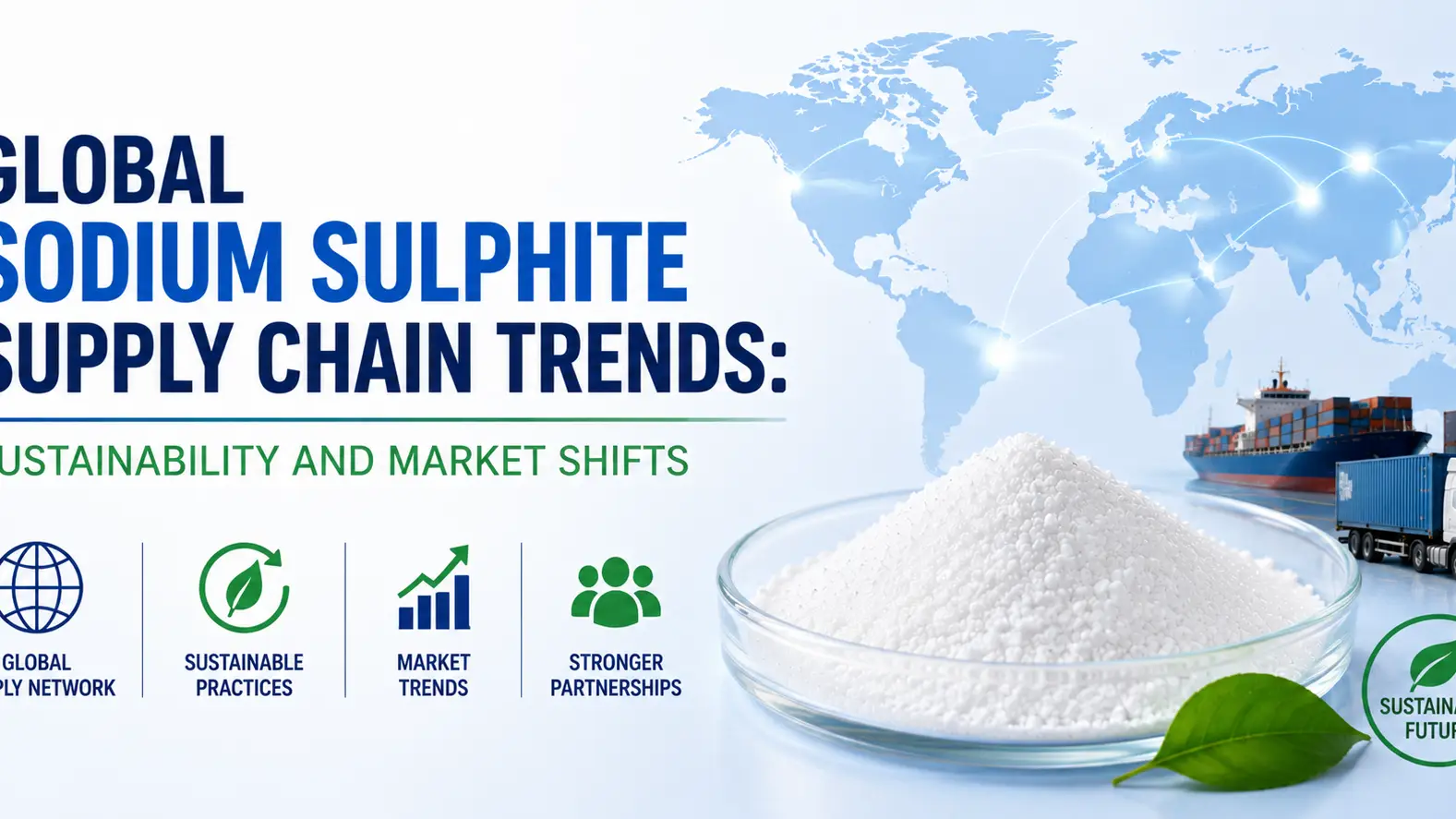
The global sodium sulphite supply chain is undergoing a significant transformation driven by sustainability mandates, shifting industrial demand, and evolving trade dynamics. As industries such as pulp & paper, water treatment, textiles, and chemicals expand their reliance on sodium sulphite, supply chain efficiency and environmental compliance have become critical competitive factors. Increasing attention toward low-emission production and circular chemical processing is reshaping procurement strategies across regions, especially in Asia-Pacific and Europe.
Global Supply Chain Structure and Trade Flow Evolution
The sodium sulphite supply chain is deeply interconnected across upstream chemical producers and downstream industrial users. Production is largely concentrated in Asia-Pacific, Europe, and North America, while demand is distributed across industrial hubs globally. Recent market analysis shows steady growth in consumption driven by pulp and paper applications, which account for a significant portion of global usage. Efficient trade flows between producing nations such as China and consuming regions in Europe and the Middle East have become central to maintaining supply stability amid fluctuating demand cycles.
Sustainability Pressures Reshaping Production Models
Sustainability has emerged as a defining force in sodium sulphite production. Manufacturers are increasingly adopting cleaner technologies to reduce sulfur emissions and energy consumption. Regulatory frameworks in Europe are pushing producers toward greener chemical processes, including optimized oxygen scavenging systems and waste reduction techniques. This shift aligns with broader industrial decarbonization goals and is influencing long-term investment decisions across the chemical sector.
Raw Material Volatility and Feedstock Dependencies
The sodium sulphite supply chain is highly sensitive to raw material fluctuations, particularly sulfur and sodium-based compounds. Variability in sulfur pricing has historically impacted production costs, creating ripple effects throughout downstream industries. In recent years, producers have focused on vertical integration strategies and long-term supplier agreements to mitigate volatility risks. These efforts are helping stabilize output despite periodic disruptions in global feedstock availability.
Regional Demand Shifts and Industrial Consumption Patterns
Demand patterns are shifting notably across regions. Asia-Pacific continues to dominate consumption due to strong growth in textiles, paper manufacturing, and water treatment industries. Meanwhile, Europe is experiencing stable but regulation-driven demand, especially in environmental applications. North America shows steady consumption linked to industrial processing and municipal water systems. These regional differences are reshaping global procurement strategies and influencing long-term supply chain planning.
Logistics, Freight, and Distribution Optimization Trends
Global logistics networks are adapting to changing trade dynamics and freight cost fluctuations. Shipping route optimization and improved container efficiency have helped reduce delivery delays, particularly for bulk chemical shipments. However, geopolitical uncertainties and port congestion in certain regions continue to challenge supply chain reliability. Companies are increasingly investing in regional warehousing and diversified shipping routes to maintain consistent product availability.
Digitalization and Predictive Supply Chain Management
Digital transformation is playing a growing role in sodium sulphite supply chain management. Predictive analytics, AI-based demand forecasting, and real-time inventory tracking systems are improving operational efficiency. These technologies allow producers and distributors to anticipate demand fluctuations and adjust production schedules accordingly. As a result, supply chains are becoming more resilient, data-driven, and responsive to global market changes.
Conclusion
The sodium sulphite supply chain is evolving into a more sustainable, data-driven, and regionally adaptive system. While raw material volatility and logistics complexities remain challenges, industry-wide digitalization and green manufacturing practices are creating new opportunities for efficiency and resilience. Companies that align with these structural shifts will be better positioned to maintain competitiveness in an increasingly regulated and demand-sensitive global market.
For businesses seeking to navigate these complexities, Tradeasia International stands as a reliable global partner, offering integrated chemical supply solutions, streamlined sourcing, and efficient distribution networks that support long-term industrial growth.
Sources
Leave a Comment