Formic Acid Feed Grade Supply Chain Trends for Global Feed Manufacturers
Introduction to Formic Acid Feed Grade
Formic acid feed grade has become an essential feed additive within modern livestock nutrition due to its role in feed preservation, microbial control, and overall feed hygiene. Commercial feed producers increasingly depend on consistent supplies of high-quality formic acid to improve feed stability while supporting efficient production processes. As global demand for premium livestock products continues to rise, the importance of a resilient supply chain for feed-grade organic acids has grown significantly.
International demand is supported by expanding poultry, swine, aquaculture, and ruminant production, particularly across Asia-Pacific, Latin America, and the Middle East. Growing awareness of feed safety standards has also encouraged wider adoption of organic acid solutions in commercial feed manufacturing.
The Strategic Importance of Supply Chain Stability
Manufacturers, distributors, and feed mills rely on stable procurement channels that ensure product consistency, regulatory compliance, and timely deliveries. Reliable sourcing minimizes operational risks while maintaining production schedules across integrated feed operations.
Global market analysts estimate the feed acidifier sector will maintain a CAGR of approximately 5–7% through 2030, driven by increasing livestock productivity and stricter feed safety regulations. This growth further highlights the importance of dependable supply networks capable of meeting expanding industrial demand.
Global Production Landscape
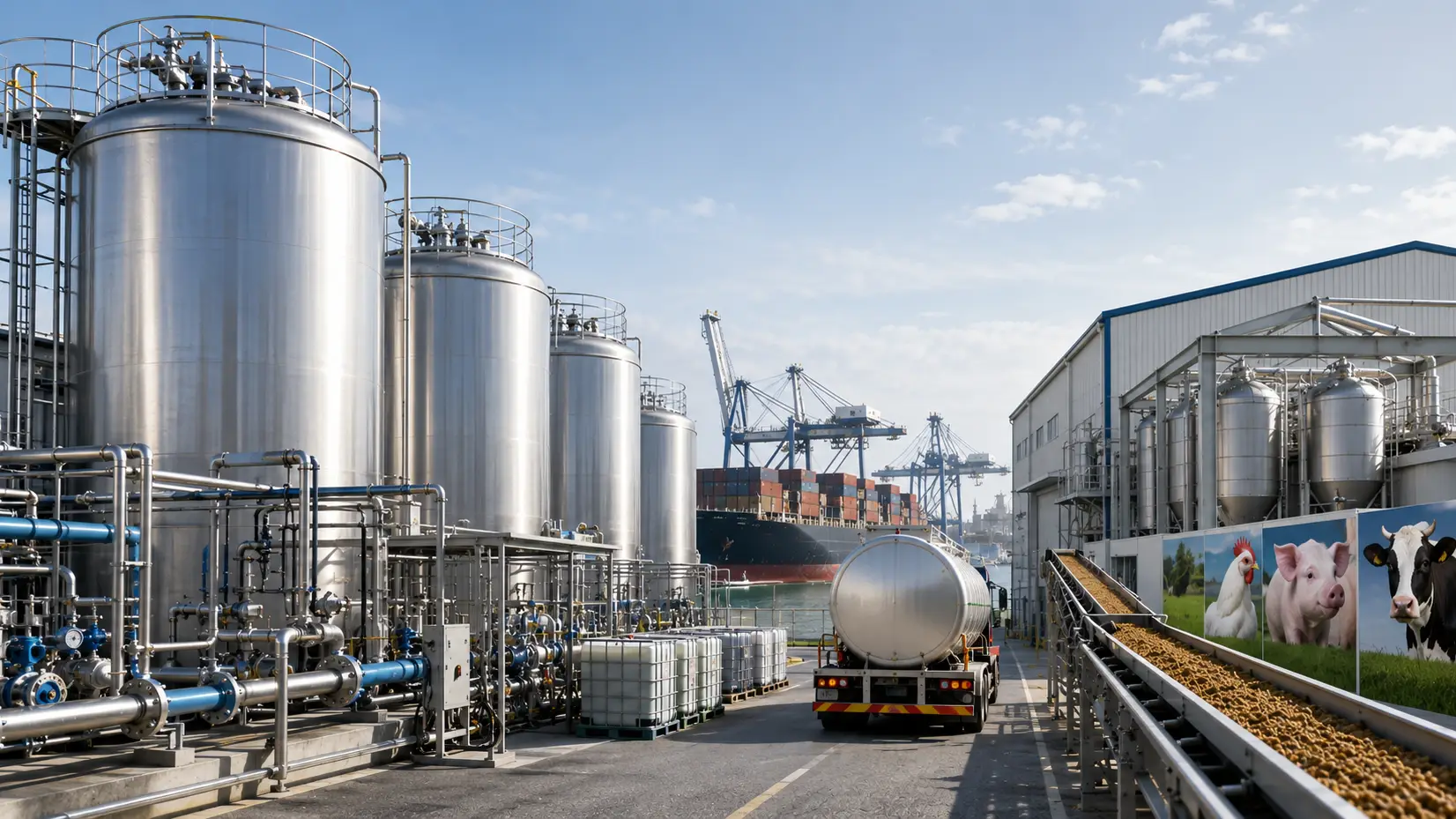
Commercial production of formic acid feed grade depends on advanced chemical manufacturing facilities operating under stringent quality standards. Production capacity is concentrated in regions with mature chemical industries, where integrated manufacturing systems support consistent product availability for international markets.
Major manufacturing hubs include Europe, China, and selected countries across Asia, where producers benefit from established infrastructure, reliable raw material access, and efficient export logistics. These regions collectively supply a substantial portion of global industrial demand.
Manufacturing Capacity and Regional Supply
Large-scale producers continue investing in process optimization, automation, and sustainability initiatives to improve manufacturing efficiency while maintaining product quality. Continuous technological improvements also help reduce production costs and strengthen long-term supply reliability.
Global production capacity continues expanding alongside rising feed additive consumption, allowing manufacturers to support growing demand from commercial feed mills, livestock integrators, and agricultural distributors across multiple regions.
Supply Chain Structure
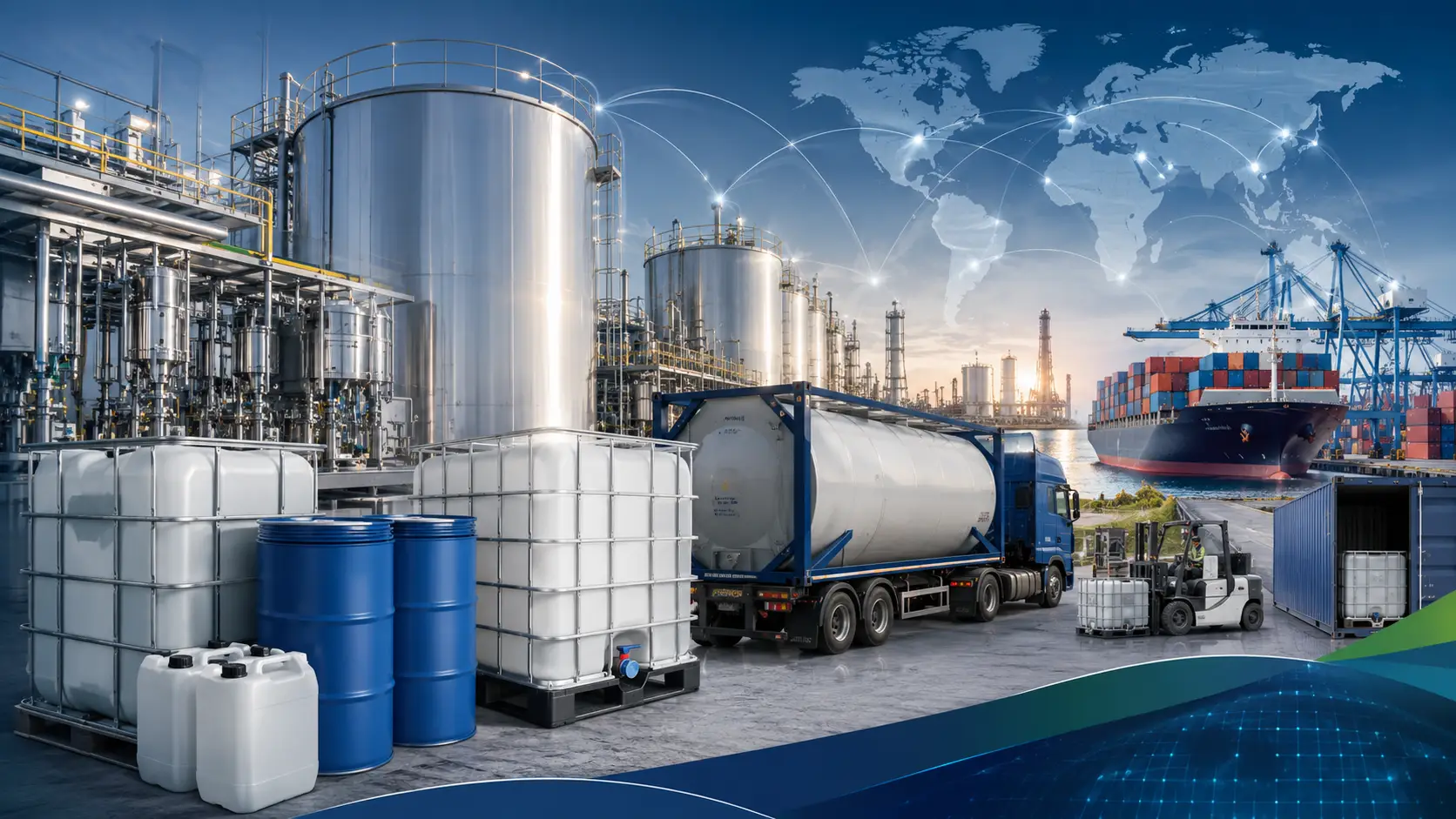
The formic acid feed grade supply chain involves chemical manufacturers, bulk storage operators, international traders, regional distributors, logistics providers, and end-use feed producers. Effective coordination among these stakeholders is essential for maintaining uninterrupted product availability.
International shipments typically move through bulk chemical logistics before reaching regional warehouses and local distribution networks. Proper packaging, storage, and transportation procedures help preserve product quality throughout the supply chain.
Distribution Channels for Industrial Buyers
Procurement teams frequently establish long-term purchasing agreements with reputable suppliers to secure stable pricing and continuous inventory availability. Strategic partnerships also reduce exposure to market fluctuations and supply disruptions.
Digital B2B procurement platforms have further streamlined international sourcing by connecting buyers directly with qualified manufacturers, enabling improved transparency, quotation efficiency, and supplier evaluation across global markets.
International Trade and Market Dynamics
International trade plays a central role in balancing regional supply and demand for formic acid feed grade. Countries with strong chemical manufacturing capabilities export substantial volumes to regions where domestic production remains limited, supporting continuous availability for feed manufacturers worldwide.
Price movements are influenced by raw material costs, energy prices, transportation expenses, currency fluctuations, environmental regulations, and global industrial demand. Procurement teams increasingly monitor these variables to optimize purchasing decisions and manage supply risks.
Factors Influencing Global Supply
Geopolitical developments, freight availability, and port efficiency can significantly affect delivery schedules and inventory planning. Diversified sourcing strategies help companies reduce dependence on a single supply region while improving resilience against unexpected disruptions.
As sustainability becomes a greater priority, suppliers are also investing in environmentally responsible production methods and supply chain transparency. These initiatives strengthen buyer confidence and support long-term partnerships across the global animal feed industry.
Procurement Considerations
Selecting the right supplier for formic acid feed grade extends beyond comparing prices. Procurement professionals evaluate product quality, manufacturing consistency, supply reliability, technical support, and compliance with feed safety regulations. These factors directly influence operational efficiency and the long-term performance of feed production facilities.
Global buyers increasingly favor suppliers that can provide flexible logistics, transparent documentation, and responsive customer service. Long-term contracts with reputable manufacturers also help stabilize procurement costs and reduce exposure to market volatility.
Evaluating Reliable Supply Partners
A dependable supplier should maintain consistent production capacity, recognized quality management systems, and comprehensive export experience. Documentation such as Certificates of Analysis (COA), Safety Data Sheets (SDS), and regulatory compliance records is essential for international transactions and customs clearance.
For bulk purchases, procurement teams also assess packaging options, shipping schedules, warehousing capabilities, and after-sales support. These considerations help ensure uninterrupted supply while minimizing storage risks and operational delays.
Supply Chain Challenges and Opportunities
The global formic acid feed grade market faces several supply chain challenges, including fluctuating raw material prices, increasing energy costs, transportation disruptions, and evolving environmental regulations. These factors can affect production costs, delivery schedules, and inventory planning for both suppliers and buyers.
Despite these challenges, the market continues to present strong opportunities as livestock production expands worldwide. Increasing demand for safer feed preservation technologies is encouraging manufacturers to invest in larger production capacities and more resilient distribution networks.
Building a More Resilient Supply Chain
Digital procurement platforms, real-time inventory monitoring, and advanced logistics planning are helping companies improve supply chain visibility. These technologies enable buyers to forecast demand more accurately while reducing procurement risks.
Regional warehousing strategies and diversified sourcing partnerships are also strengthening business continuity. Companies that develop multiple sourcing channels are better positioned to respond to unexpected disruptions while maintaining stable production operations.
Future Outlook
The outlook for the formic acid feed grade supply chain remains positive as commercial livestock farming continues to expand across emerging and developed markets. Rising demand for efficient feed preservation, improved animal performance, and higher feed safety standards is expected to support sustained market growth.
Industry analysts project continued investment in production efficiency, sustainable manufacturing, and international trade infrastructure. These developments will enhance product availability while improving supply chain resilience for global buyers.
Long-Term Market Development
Growing adoption of digital procurement solutions and integrated supply chain management will further simplify international sourcing. Buyers will increasingly prioritize suppliers capable of offering technical expertise, regulatory compliance, and dependable global logistics.
As environmental expectations continue to evolve, manufacturers investing in cleaner production technologies and responsible sourcing practices are likely to strengthen their competitive position in the global feed additive market.
Conclusion
Formic acid feed grade plays a critical role in modern animal nutrition by supporting feed preservation, microbial control, and production efficiency. As global livestock industries continue to expand, maintaining a reliable and resilient supply chain has become increasingly important for feed manufacturers, distributors, and procurement professionals.
Successful sourcing strategies require more than competitive pricing. Buyers should evaluate supplier reliability, production capacity, regulatory compliance, logistics expertise, and long-term partnership potential to ensure uninterrupted operations and consistent product quality.
Tradeasia International supports global industrial buyers by connecting them with dependable manufacturers and efficient international supply networks. Through comprehensive sourcing solutions, quality assurance, and worldwide distribution capabilities, Tradeasia helps businesses secure high-quality formic acid feed grade for diverse commercial feed applications while optimizing procurement efficiency.
Sources
https://www.fao.org
https://ifif.org
https://www.efsa.europa.eu
Leave a Comment