Formic Acid Feed Grade Supply Chain Guide for Global Procurement Teams
Understanding Formic Acid Feed Grade
Formic acid feed grade is a specialized organic acid commonly used within animal nutrition and feed manufacturing sectors. The product is mainly utilized as a feed acidifier and preservative that supports feed hygiene and animal health performance.
Feed-grade formic acid differs from industrial grades because it is manufactured according to quality and safety standards intended for animal consumption. Purity specifications, handling characteristics, and compliance requirements influence product selection among buyers.
Product Characteristics and Functional Role
According to technical information published by the European Food Safety Authority (EFSA), organic acids such as formic acid contribute to microbial control and improved feed preservation in livestock systems.
The compound functions by reducing pH levels in feed environments and limiting microbial growth that may affect feed quality during storage and transportation.
Industrial Applications in Animal Nutrition
Formic acid feed grade has become an important ingredient across multiple livestock production systems because feed quality directly affects productivity and operational costs. Poultry, swine, aquaculture, and ruminant sectors increasingly rely on feed additives for efficiency improvements.
Manufacturers continue integrating feed acidifiers into nutritional formulations as producers pursue alternatives that support feed safety and animal performance objectives.
Applications Across Livestock Sectors
Technical studies published by animal nutrition research institutions indicate that formic acid is frequently used to control bacterial contamination while supporting feed digestibility in livestock production systems.
Feed producers often incorporate the product into poultry feed formulations, piglet diets, and aquaculture feed because maintaining microbial stability can help preserve nutritional value throughout the supply cycle.
Global Market and Demand Trends
The global animal nutrition market has experienced significant growth driven by increasing protein consumption and expansion of commercial livestock operations. Demand for feed additives has grown alongside efforts to improve feed efficiency and food security.
Regions with rapidly expanding meat production capacity have become important demand centers for feed-grade additives and preservation solutions.
Growth Drivers in Feed Additive Markets
According to market analysis published by industry researchers at Mordor Intelligence and animal feed organizations, feed additives continue experiencing growth due to increasing commercial farming activities.
Growth in Asia-Pacific markets, emerging livestock economies, and integrated farming systems has increased sourcing demand for products such as formic acid feed grade among manufacturers and distributors.
Supply Chain Structure and Procurement Dynamics
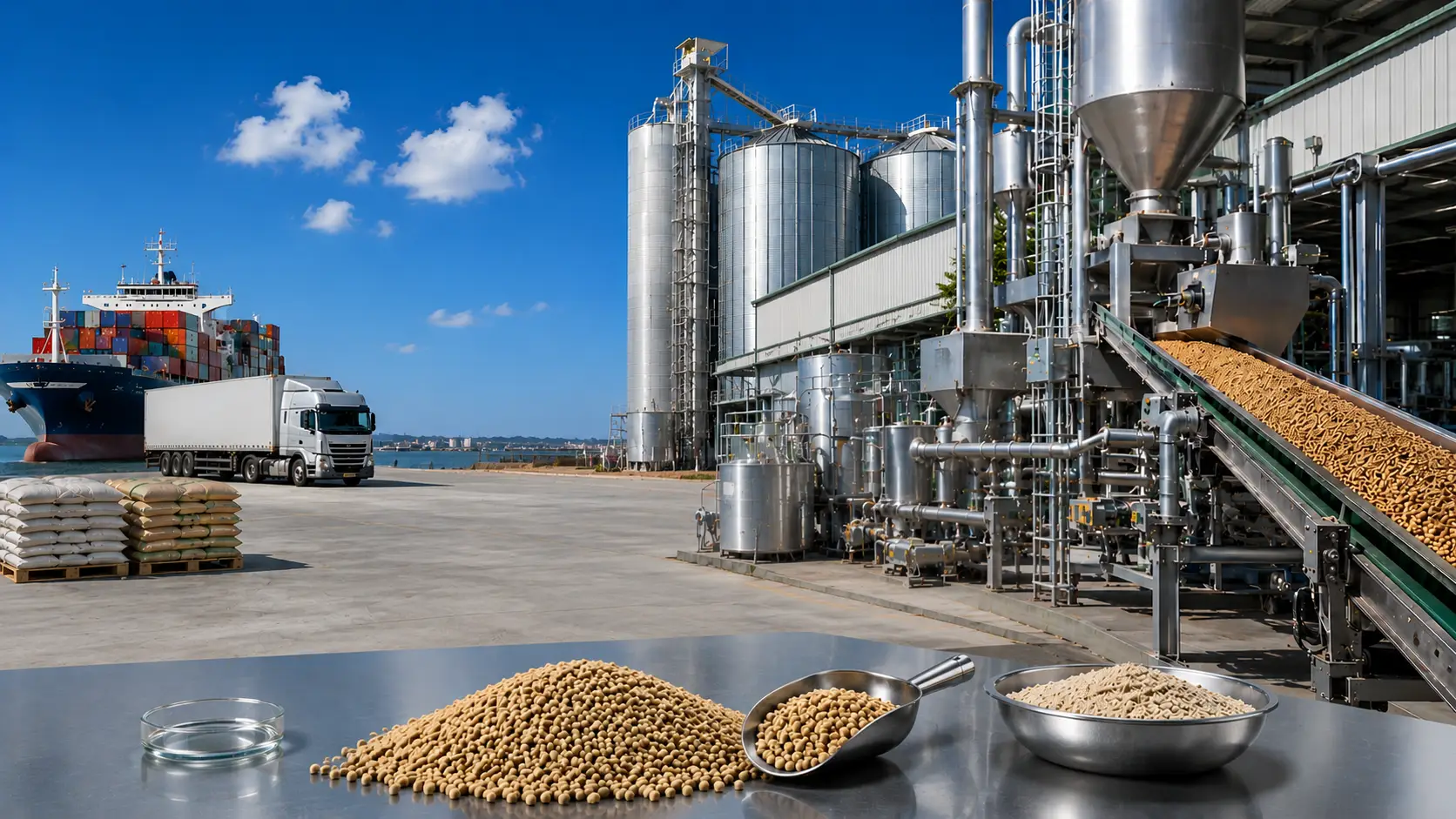
The supply chain for formic acid feed grade typically involves manufacturers, bulk chemical suppliers, distributors, logistics providers, and regional trading companies. Efficient supply networks help maintain consistent inventory availability and quality standards.
Supply stability remains important because fluctuations in raw material costs, transportation expenses, and regional manufacturing capacity can affect procurement decisions.
Factors Influencing Global Supply
Based on chemical market observations from industrial publications and agricultural trade data, production concentration and transportation efficiency frequently affect product availability.
Procurement teams often monitor supplier capacity, regulatory compliance documentation, packaging options, and shipping reliability before entering long-term purchasing agreements.
Buyer Intent and Purchasing Evaluation Factors
Organizations purchasing formic acid feed grade generally include animal feed manufacturers, premix producers, livestock nutrition companies, agricultural distributors, and integrated farming businesses.
Procurement teams evaluate products not only by price but also by technical consistency and supplier reliability.
What Procurement Teams Assess Before Buying
According to feed industry sourcing practices and procurement guidelines, buyers commonly review quality certifications, product concentration, safety documentation, and logistics support capabilities.
Buyers compare suppliers because supply disruptions, inconsistent specifications, and regulatory challenges may influence operational efficiency. Product pages within B2B chemical marketplaces help purchasing teams evaluate specifications and compare sourcing alternatives more efficiently.
Future Outlook for Formic Acid Feed Grade Markets
The future market outlook for formic acid feed grade remains linked to broader livestock production trends and changing approaches to animal nutrition management. Industry participants continue searching for solutions that support feed preservation and production efficiency.
Demand for functional feed additives may continue expanding as agricultural systems prioritize productivity and quality control measures.
Emerging Opportunities in Global Markets
According to agricultural market research and feed industry reports, sustainability initiatives and increasing livestock production investments continue supporting additive market expansion.
Manufacturers, traders, distributors, and procurement teams may identify growth opportunities through stronger regional supply networks and diversified sourcing strategies.
Conclusion
Formic acid feed grade continues strengthening its position within modern feed manufacturing and animal nutrition industries. Growing livestock production and increased emphasis on feed quality have expanded its commercial significance.
For procurement teams and B2B buyers, understanding supply chain dynamics, market demand patterns, and supplier evaluation criteria remains important for achieving reliable sourcing outcomes.
Sources
https://www.efsa.europa.eu
https://www.fao.org
https://www.allaboutfeed.net

Leave a Comment