Ferrous Sulfate Monohydrate: Product Profile and Commercial Role
Product identity and specification
Ferrous Sulfate Monohydrate, also known as iron(II) sulfate monohydrate or dried iron sulfate, is an iron salt with the molecular formula FeSO₄·H₂O and CAS number 13463-43-9. The current Feed Ingredients Asia product specification identifies the material as a solid, freely soluble in water, with a minimum assay of 91% and a technical-grade quality level. The listed origin is China, and the product is supplied in 25 kg bags according to the associated product information.
From a commercial perspective, the importance of Ferrous Sulfate Monohydrate comes from its function as a practical source of iron rather than simply from its chemical identity. Iron compounds are used across nutrition and industrial applications, while ferrous sulfate more broadly has established roles in agriculture, water treatment, food fortification, animal feed, pharmaceuticals and chemical processing. The U.S. Environmental Protection Agency identifies ferrous sulfate as an iron salt with applications across food, agriculture, chemical production and water treatment.
Why the product matters to B2B buyers
For procurement teams, the commercial value of Ferrous Sulfate Monohydrate depends on the intersection of specification, application suitability, documentation, packaging, origin and delivery capability. A buyer sourcing an iron-containing material needs to distinguish between general ferrous sulfate availability and material that is appropriate for the intended application, particularly when the end use is animal nutrition or another regulated sector.
The current product page provides several pieces of information that support an initial supplier-screening process, including CAS number, molecular formula, molecular weight, assay, physical form, appearance, solubility, storage conditions and technical documentation availability. Buyers can use the Ferrous Sulfate Monohydrate product page as a starting point for reviewing the listed specification and initiating a commercial inquiry.
Key Applications and Industrial Demand Drivers
Animal nutrition applications
One of the most commercially relevant applications for Ferrous Sulfate Monohydrate is animal nutrition, where iron compounds can serve as nutritional sources of iron. The product information associated with Feed Ingredients Asia identifies Ferrous Sulfate Monohydrate within its mineral product portfolio, while EFSA describes trace elements as nutritional feed additives and evaluates feed additives according to their safety and efficacy for animals, consumers, users and the environment.
This application makes feed manufacturers, premix producers, animal nutrition companies and distributors important potential buyer groups. Demand is therefore connected not only to animal production volumes but also to formulation requirements, regulatory authorization, product consistency and the ability of suppliers to provide appropriate technical documentation.
Broader ferrous sulfate applications
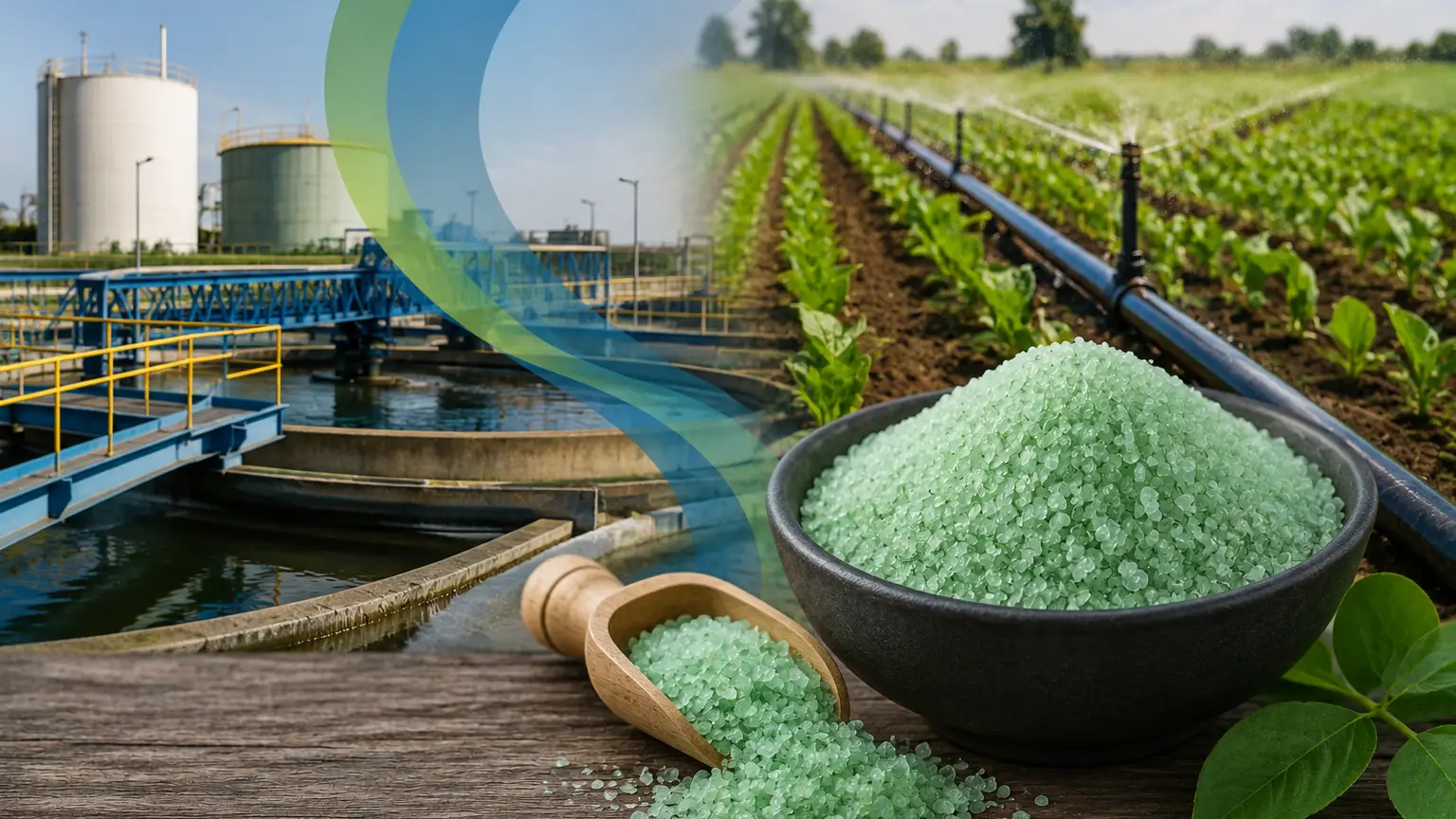
Ferrous sulfate also has wider industrial relevance beyond animal nutrition. According to the U.S. EPA's supply-chain profile, ferrous sulfate is used as a coagulant in drinking-water and wastewater treatment, as a precursor to ferric sulfate, and in fertilizer, animal feed, pharmaceuticals, food iron fortification and pigment-related applications.
These applications create a diversified demand environment for the broader ferrous sulfate supply chain, although buyers should not automatically assume that one grade is interchangeable across all end uses. Product specifications, regulatory status and quality requirements can differ significantly by application, which is why commercial sourcing should begin with the intended end use and then work backward toward the appropriate specification.
Animal Feed Demand and Buyer Requirements
Ferrous Sulfate Monohydrate as an iron source
Iron is an essential micronutrient in animal nutrition, and ferrous sulfate monohydrate can be used as an iron source in feed formulations where the applicable regulatory and technical requirements are satisfied. Historical and regulatory assessments have specifically considered ferrous sulfate monohydrate as a nutritional additive for animal species. An EFSA assessment concluded that ferrous sulfate monohydrate is an effective source of iron for animal species under assessed conditions, while also emphasizing the importance of safe concentration and user-safety considerations.
For procurement teams, this means that the relevant question is not simply whether a supplier offers ferrous sulfate. Buyers need to determine whether the offered material is suitable for the particular feed formulation, animal category and market in which it will be sold. This is particularly important where feed additives are subject to formal authorization, specification or labeling requirements.
What feed buyers evaluate
Feed manufacturers commonly need to evaluate assay, physical characteristics, consistency between lots, packaging, documentation, storage conditions, origin and supply continuity. For regulated markets, they may also need evidence supporting identity, characterization, safety, efficacy and conditions of use. EFSA's current feed-additive framework states that applications are assessed using information covering identity, characterization, conditions of use, safety and efficacy.
Supplier qualification consequently extends beyond price comparison. A technically suitable product with incomplete documentation, inconsistent quality or unreliable logistics can create greater procurement risk than a competitively priced material from a supplier with stronger quality and supply-chain controls. For this reason, a B2B sourcing process should evaluate both the chemical specification and the supplier's ability to support the buyer's operational and regulatory requirements.
Market and Supply Chain Trends
Demand is increasingly application-driven
Recent market conditions for ferrous sulfate are shaped by the needs of multiple downstream industries rather than by a single end market. The EPA identifies agriculture, animal feed, water treatment, food, pharmaceuticals and chemical production among established uses of ferrous sulfate, demonstrating why demand can be influenced by developments across several industrial sectors.
In nutrition-related markets, continued attention to micronutrient deficiencies supports the broader relevance of iron compounds. The World Health Organization identifies food fortification as an evidence-informed intervention for addressing micronutrient deficiencies and specifically recognizes iron fortification of staple foods as an important public-health application. This does not mean every ferrous sulfate monohydrate grade is suitable for food fortification, but it illustrates the continuing industrial relevance of reliable iron sources.
Supply-chain resilience and regulatory scrutiny
Another important trend is the increasing importance of supply-chain resilience and regulatory visibility. Ferrous sulfate can be associated with industrial production streams, and the EPA notes that it is primarily produced as a byproduct of steel pickling in the United States. This creates a supply environment in which upstream industrial activity can influence availability and commercial economics.
At the same time, feed and nutrition buyers operate in markets where regulatory scrutiny is substantial. EFSA's current feed-additive process requires scientific evaluation before new additives can be placed on the EU market and examines safety and efficacy information as part of the assessment process. Consequently, procurement teams increasingly benefit from suppliers capable of providing clear product specifications, technical documentation and consistent communication throughout the purchasing cycle.
B2B Sourcing Considerations for Buyers
Specification and documentation
A robust Ferrous Sulfate Monohydrate sourcing process starts with specification alignment. The listed Feed Ingredients Asia product is identified as iron(2+) sulfate monohydrate, FeSO₄·H₂O, CAS 13463-43-9, with a minimum assay of 91%, technical-grade classification, solid physical form and free water solubility. The product page also lists a technical data sheet and safety data sheet as available technical documents.
Buyers should compare these characteristics against their own purchasing specification rather than relying on product name alone. Where the material is intended for animal nutrition, procurement teams should additionally confirm whether the offered grade, specification and documentation satisfy the regulatory requirements of the destination market and intended animal category. EFSA's framework demonstrates why identity, characterization, conditions of use, safety and efficacy are important considerations for feed additives.
Supplier comparison and logistics
Supplier comparison should also account for commercial factors such as country of origin, packaging configuration, minimum order requirements, lead time, shipping terms, freight exposure and continuity of supply. The product information lists China as the origin and 25 kg bags as the packaging format, giving buyers a practical starting point for evaluating whether the product aligns with their logistics model.
A B2B marketplace can add value by bringing product information, technical documentation and supplier inquiry into the same procurement journey. For international buyers, this can reduce the friction involved in moving from technical screening to quotation requests. The goal is not simply to find the lowest nominal price, but to establish the most commercially appropriate combination of quality, documentation, availability and delivered cost.
Buyer Intent and Commercial Sourcing Opportunities
Who buys Ferrous Sulfate Monohydrate
The most relevant buyer groups include animal-feed manufacturers, feed premix producers, livestock nutrition companies, agricultural distributors, chemical distributors, industrial procurement teams and traders evaluating iron-based inputs. The strongest buyer intent generally appears when a procurement team already knows the required chemical and is comparing suppliers based on specification, availability, documentation and commercial terms.
Demand can also arise indirectly through manufacturers serving livestock and agricultural markets. Because ferrous sulfate has established applications beyond feed, broader chemical distributors may also assess it as part of their portfolio. However, buyers should always verify grade suitability for the final application rather than treating all ferrous sulfate products as technically interchangeable. The EPA's supply-chain assessment illustrates the breadth of ferrous sulfate applications, while EFSA's regulatory framework highlights the additional requirements applicable to feed additives.
From product discovery to procurement
The commercial sourcing journey typically begins with a product search and progresses through specification review, supplier qualification, quotation, sample or documentation review, commercial negotiation and shipment planning. For Ferrous Sulfate Monohydrate, this makes clear product information especially important because buyers need to establish whether the offered material matches their technical and regulatory requirements before discussing volume and price.
The Ferrous Sulfate Monohydrate sourcing page provides a direct starting point for buyers evaluating the listed product, including its origin, CAS number, assay, grade, physical characteristics, storage information and technical-document availability. For procurement teams, distributors and traders, this product-led approach creates a practical path from search intent to supplier inquiry.
Commercial positioning for Tradeasia and the marketplace
Ferrous Sulfate Monohydrate matters commercially because it sits at the intersection of mineral nutrition and broader industrial chemical demand. Its value to the marketplace is therefore based on its ability to connect buyers seeking an iron source with product specifications, supply information and an established B2B inquiry process rather than on a single end-use market.
For Tradeasia, Chemtradeasia and the Tradechem marketplace ecosystem, the strongest positioning is as a sourcing interface that helps procurement professionals move from chemical identification to supplier engagement. Transparent specifications, technical documentation, application context and responsive commercial communication are particularly important when buyers are comparing international suppliers and managing supply-chain risk.
Conclusion
A practical sourcing outlook
Ferrous Sulfate Monohydrate remains commercially relevant because iron is an essential input across several nutritional and industrial applications. Its role in animal nutrition makes feed manufacturers and mineral-premix buyers particularly important audiences, while the broader ferrous sulfate supply chain also serves agriculture, water treatment, food, pharmaceutical and chemical applications.
For buyers, the strongest procurement strategy is application-led: define the required end use, confirm the appropriate grade and specification, review technical and safety documentation, evaluate supplier reliability, and then compare delivered commercial terms. This approach reduces the risk of selecting a product based solely on price or chemical name.
Turning search demand into B2B opportunities
Market intelligence is most valuable when it helps a buyer make a procurement decision. In the case of Ferrous Sulfate Monohydrate, search terms such as “supplier,” “animal feed,” “applications,” “sourcing” and “buy” represent different stages of the same commercial journey, from technical research through supplier qualification and purchase.
The Ferrous Sulfate Monohydrate product page can therefore serve as the conversion point for buyers who have completed their initial research and want to evaluate the listed specification or initiate an inquiry. By combining application knowledge with transparent product information and B2B sourcing support, the marketplace can address both the informational and commercial needs behind chemical procurement.
Sources
- World Health Organization — Food Fortification: Provides authoritative background on micronutrient fortification, including the role of iron in addressing deficiencies.
WHO: Food Fortification
- European Food Safety Authority — Feed Additives: Provides current regulatory and scientific context for nutritional feed additives, including safety and efficacy assessment requirements.
EFSA: Feed Additives
- U.S. Environmental Protection Agency — Ferrous Sulfate Supply Chain Profile: Provides technical and industrial context on ferrous sulfate production, supply-chain characteristics and applications in water treatment, agriculture, animal feed, food and other sectors.
EPA: Ferrous Sulfate Supply Chain Profile
Leave a Comment