Introduction
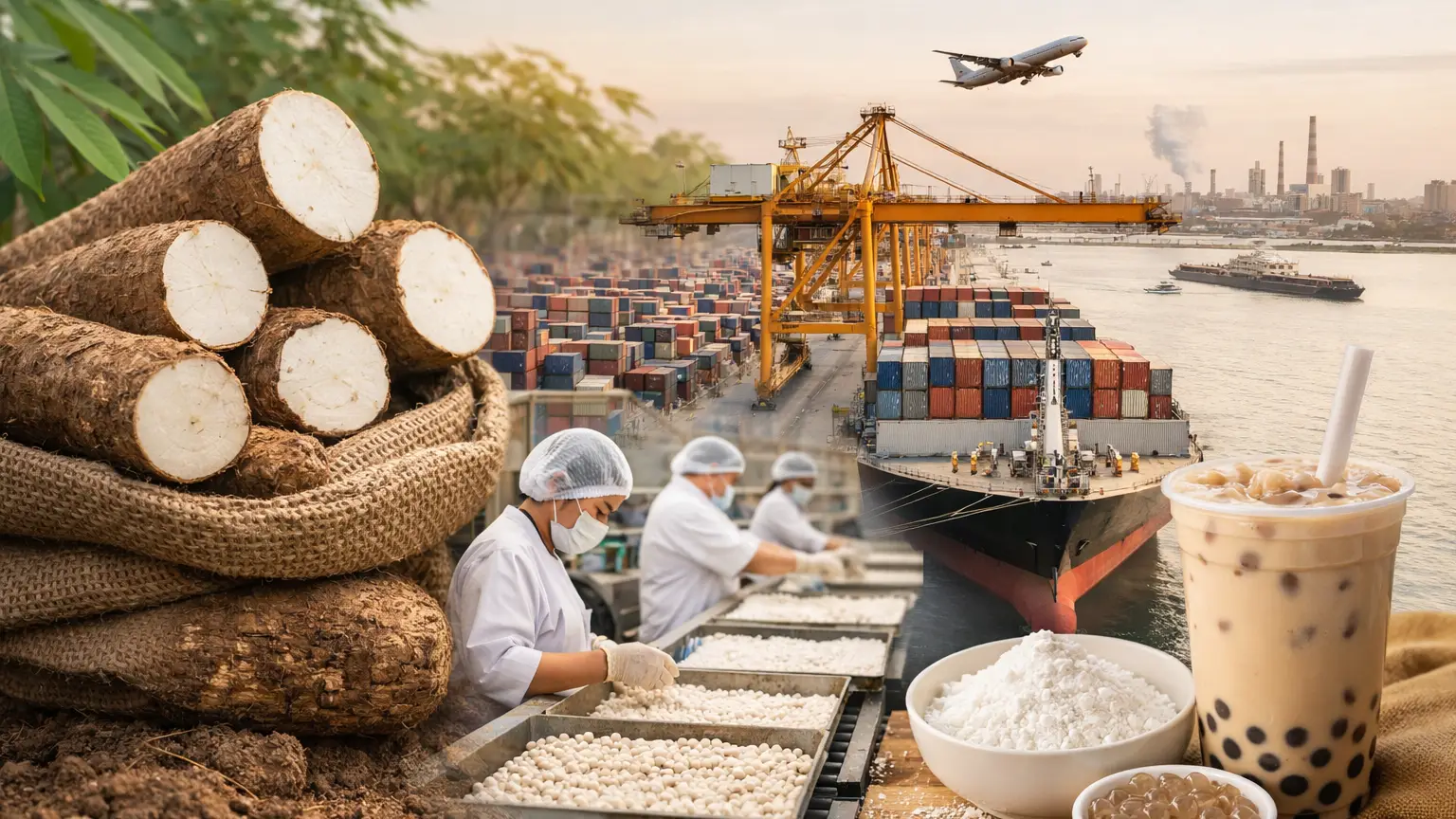
The Asian food and industrial landscape is undergoing a profound transformation, driven by urbanization, rising disposable incomes, and a growing consumer preference for natural, sustainable, and high-quality products. At the heart of this shift lies a versatile and powerful ingredient: tapioca starch. Derived from the cassava root, this native tuber is no longer just a traditional food staple but a cornerstone of modern manufacturing across the continent. As we look towards 2026, the demand for tapioca starch and its synergistic partners—specialized food additives and ingredients—is poised for unprecedented growth, creating significant opportunities for forward-thinking businesses.
This surge is not accidental. Tapioca starch offers a unique combination of functional properties, including superior clarity, neutral taste, excellent freeze-thaw stability, and a clean-label appeal that resonates with today's health-conscious consumers. When paired with precisely engineered food additives, it enables manufacturers to achieve desired textures, shelf lives, and sensory profiles that meet evolving market demands. For industry players across Asia—from Thailand and Vietnam to Indonesia, India, and China—understanding these applications and securing a reliable supply chain is paramount. This article delves into the key trends and top applications that will define the tapioca starch market in 2026, highlighting the integral role of specialized distributors in bridging the gap between raw material potential and finished product innovation.
The Asian Tapioca Starch Market: A 2026 Outlook
The Asia-Pacific region dominates global tapioca starch production and consumption, with Thailand, Vietnam, and Indonesia leading as both major producers and rapidly growing domestic markets. Market analysts project the regional tapioca starch market to continue its robust growth trajectory through 2026, with a compound annual growth rate (CAGR) estimated between 4% to 6%. This growth is fueled by several interconnected factors. Firstly, the expansion of the middle class is increasing demand for processed and convenience foods, which extensively utilize tapioca starch as a thickener, stabilizer, and texturizer. Secondly, government initiatives in countries like Indonesia and India to promote cassava cultivation for bioethanol and industrial use are creating a more stable and scalable raw material base.
Beyond volume, the market is witnessing a qualitative shift. There is a clear trend towards value-added, modified tapioca starches. While native tapioca starch remains popular for many applications, modified variants—such as cross-linked, acetylated, or oxidized starches—are gaining traction. These modified starches offer enhanced performance under extreme processing conditions like high heat, shear, or acidity, making them indispensable for modern food processing. Furthermore, the "clean label" movement is pushing demand for physically modified or native starches that can be listed as simple "tapioca starch" or "tapioca flour" on ingredient decks, replacing synthetic additives. This dual demand for both high-performance modified starches and simple, natural ingredients defines the complex and lucrative market landscape that suppliers and distributors must navigate.
Top 5 Applications Driving Tapioca Starch Demand
In 2026, tapioca starch's versatility will be showcased across five primary application verticals. The first and most significant is the Food & Beverage sector. Here, tapioca starch is a hero ingredient in gluten-free bakery products, providing essential structure and moisture retention. It is crucial in dairy alternatives like plant-based yogurts and cheeses for achieving a creamy mouthfeel. In savory applications, it serves as a superior binding agent in meat and seafood analogs and processed meats, while its clarity makes it ideal for fruit fillings, transparent noodles, and glossy sauces prevalent in Asian cuisines.
The second major driver is the Industrial Sector, particularly biofuels and bioplastics. Tapioca starch is an efficient feedstock for bioethanol production, a sector supported by renewable energy mandates across Asia. More innovatively, it is a key raw material for polylactic acid (PLA) and other biodegradable plastics, aligning with regional bans on single-use plastics and corporate sustainability goals. The third application is in Animal Feed. As a highly digestible energy source, tapioca starch pellets and meal are increasingly used in compound feed for poultry, swine, and aquaculture, supporting Asia's massive livestock industry.
Fourth, the Pharmaceutical and Cosmetic industries value tapioca starch for its purity and mildness. It acts as an excellent excipient in tablet formulations, a dusting powder, and a natural thickener in lotions and creams. Finally, the Paper and Corrugating industry utilizes tapioca starch as a strength additive and coating agent to improve paper quality and production efficiency. This diverse application portfolio ensures that demand is broad-based and resilient to fluctuations in any single industry.
The Critical Role of Food Additives and Ingredients
Tapioca starch rarely works in isolation. Its full potential is unlocked when combined with a suite of specialized food additives and functional ingredients. For instance, in plant-based meat manufacturing, tapioca starch provides bite and structure, but it is often paired with hydrocolloids like xanthan gum or methylcellulose to mimic the fibrous texture and juiciness of real meat. In gluten-free baking, combinations of tapioca starch with other native starches (like potato or rice) and proteins (like pea protein) are essential to replicate the complex gluten network, preventing crumbly textures.
Furthermore, to address shelf-life challenges in clean-label products, natural food additives derived from fermentation or plant sources are becoming critical. Ingredients like cultured dextrose (for mold inhibition), rosemary extract (for antioxidant activity), and various plant-based emulsifiers work synergistically with tapioca starch to ensure product safety and quality without resorting to artificial preservatives. For beverage clouding agents, confectionery glazes, or instant soup mixes, the interaction between modified tapioca starches and other ingredients like acids, flavors, and colors must be precisely managed. This underscores the need for not just a starch supplier, but a knowledgeable partner who can provide a holistic ingredient solution and technical support tailored to the specific application and regulatory environment of each Asian market.
Sourcing with Confidence: The B2B Distributor Advantage
Navigating the complex tapioca starch and food additives supply chain in Asia requires more than just a transactional supplier; it demands a strategic B2B partner. A professional distributor like Chemtradeasia provides multifaceted advantages that are critical for business success in 2026. The first is Supply Chain Reliability and Regional Expertise. With a network potentially spanning key hubs like Singapore (chemtradeasia.sg), Indonesia (chemtradeasia.co.id), India (chemtradeasia.in), and the UAE (chemtradeasia.ae) for broader MENA access, such a distributor ensures consistent supply, mitigates logistical risks, and possesses deep knowledge of local import regulations, taxes, and quality standards, which vary significantly across the region.
The second advantage is Product Portfolio and Technical Support. A premier distributor offers a comprehensive range, from various grades of native and modified tapioca starch to complementary food additives like stabilizers, emulsifiers, and acidulants. This one-stop-shop model simplifies procurement and ensures ingredient compatibility. More importantly, it is backed by technical service—assisting with formulation challenges, recommending the right starch modification for a specific process, or helping reformulate for clean-label goals. This partnership transforms the distributor from a vendor into a value-adding extension of your R&D and procurement teams, enabling faster innovation and market entry in a competitive landscape.
Conclusion
The trajectory for tapioca starch in Asia through 2026 is unmistakably upward and diversified. Its journey from a traditional commodity to a sophisticated, application-specific ingredient mirrors the region's own economic and consumer evolution. Success in this dynamic market will belong to those who not only recognize the applications—from next-generation plant-based foods and biodegradable packaging to enhanced pharmaceuticals and animal nutrition—but also understand the intricate interplay between starch, additives, and processing. The ability to innovate quickly and reliably will be the key differentiator.
Forging a strategic partnership with an established, knowledgeable B2B chemical and ingredient distributor is therefore not a logistical detail, but a core business strategy. It provides the supply security, product breadth, and technical insight necessary to capitalize on these trends. As sustainability, clean label, and functional performance continue to drive purchasing decisions, the synergy between versatile tapioca starch and precision food additives, delivered through a robust supply chain, will undoubtedly be a primary engine for growth across countless industries in Asia.
Disclaimer: This article is for informational and market insight purposes only. It is not intended as technical, safety, or professional advice. The applications, data, and trends mentioned are based on current market analysis and are subject to change. We strongly advise readers to verify any information independently with qualified experts, consult official product documentation and safety data sheets (SDS/MSDS), and contact our technical team at Chemtradeasia for specific application guidance, formulations, and regulatory compliance pertaining to your particular use case and region.
Leave a Comment