Diammonium Phosphate: Applications, Buyers & Global Sourcing
Diammonium Phosphate in the B2B Chemical Market
Commercial Positioning
Diammonium Phosphate, commonly abbreviated as DAP, is an ammonium phosphate compound with commercial relevance across food processing, fermentation, agriculture and chemical distribution. Its importance to B2B markets comes from its functional versatility: the same chemical family can serve very different purchasing requirements depending on grade and intended application. For procurement teams, this makes application definition an essential first step before supplier comparison.
Food-grade Diammonium Phosphate has particular relevance as a food ingredient and processing aid. The U.S. Food and Drug Administration identifies ammonium phosphate, dibasic, also known as Diammonium Phosphate, under CAS 7783-28-0 and associates it with technical effects including leavening, malting or fermenting aid, nutrient supplementation and pH control.
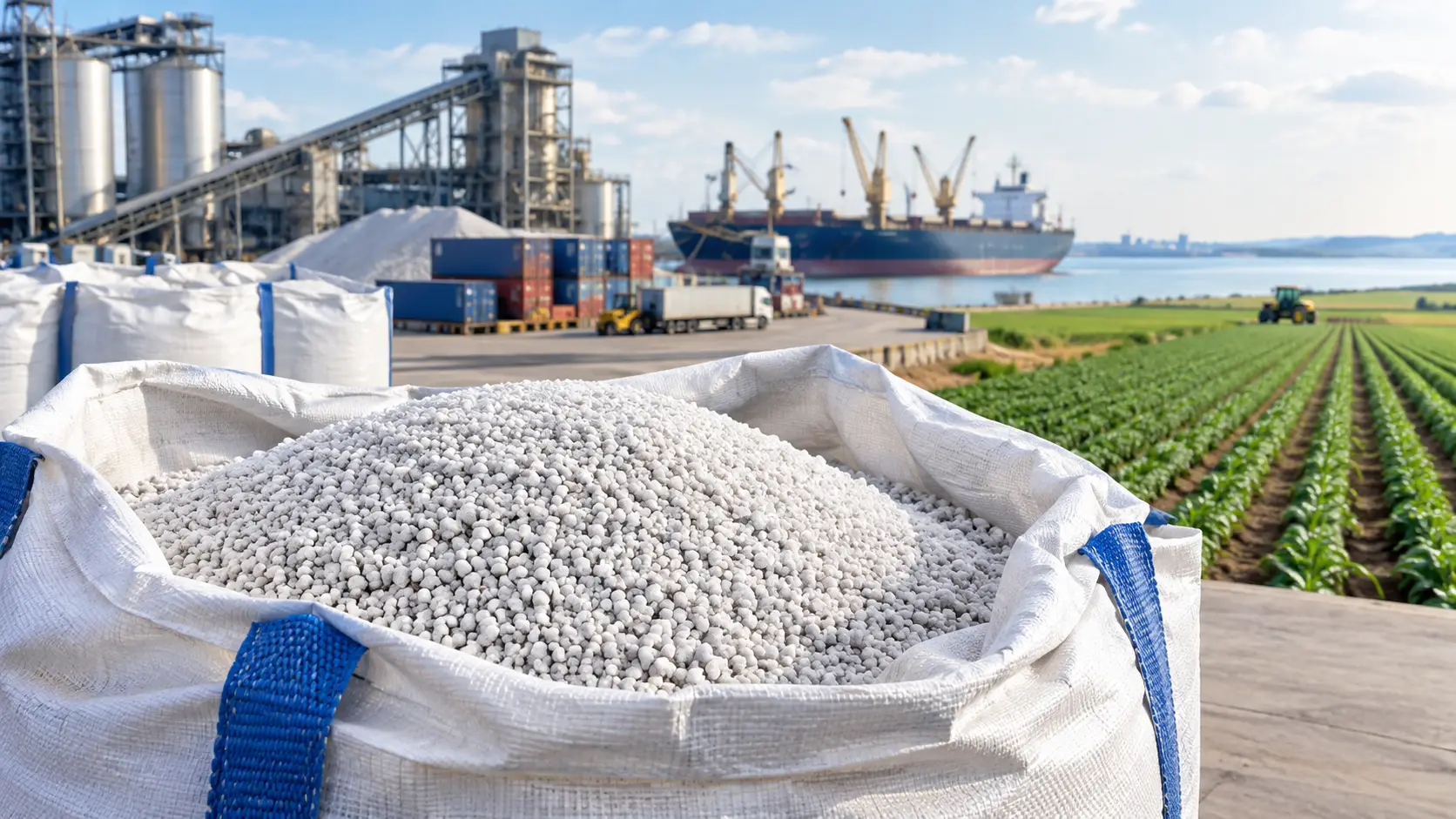
The product also occupies a major position in fertilizer markets because DAP provides both nitrogen and phosphorus. A conventional fertilizer specification identifies DAP as 18-46-0, representing a concentrated nitrogen-phosphate nutrient source. FAO-published specifications also establish parameters for moisture, nutrient content and particle size, illustrating why agricultural buyers evaluate DAP differently from food-ingredient purchasers.
Why Application Determines Purchasing
The commercial value of Diammonium Phosphate therefore depends on more than the product name. Food processors, fermentation businesses, fertilizer manufacturers, agricultural distributors and chemical traders can all purchase DAP, but their specifications, documentation requirements and quality expectations may differ considerably. Buyers that define the end use before requesting quotations are better positioned to compare suitable suppliers and avoid inappropriate grade substitutions.
Food and Beverage Applications of Diammonium Phosphate
Food Additive Functionality
Food-grade Diammonium Phosphate occupies a specialized position within the food-ingredient market. The FAO/JECFA food-additive specification identifies Diammonium Hydrogen Phosphate as INS 342(ii) and lists Diammonium Phosphate among its recognized names. This gives food manufacturers a formal reference point when assessing its suitability for permitted applications.
Its commercial role can include functions associated with leavening, fermentation, nutrient supplementation and pH control. FDA's food-substance database likewise identifies ammonium phosphate, dibasic with technical effects including firming, flavor-related functions, leavening, malting or fermenting aid, nutrient supplementation and pH control. These functions explain why the ingredient can attract buyers beyond conventional fertilizer markets.
Food-Grade Buyer Requirements
Food manufacturers typically require considerably more than a basic chemical specification when purchasing Diammonium Phosphate. Procurement and technical teams may assess identity, purity, batch consistency, certificates of analysis, safety documentation, regulatory status, packaging and traceability. These requirements become particularly important where the ingredient is incorporated into a repeat food-production process.
For distributors and international ingredient traders, clear grade separation is equally important. Food-grade material should not be treated as interchangeable with fertilizer-grade DAP simply because both share the same broad chemical identity. A commercially reliable supplier should provide documentation that allows the buyer to establish whether the offered material corresponds with the intended food application and destination-market requirements.
Fermentation and Processing Applications
Fermentation Demand
Fermentation represents an important specialized application for Diammonium Phosphate. FDA identifies ammonium phosphate, dibasic as a malting or fermenting aid and nutrient supplement, supporting its relevance in processes where nitrogen and phosphorus availability can be commercially useful. This creates a distinct buyer segment within food and beverage processing.
Fermentation-oriented purchasers can include beverage manufacturers, fermentation businesses, ingredient distributors and companies involved in yeast-related processing. Their procurement decisions are generally driven by process consistency rather than price alone. Reliable chemical identity, controlled specifications and repeatable batch performance can influence whether a supplier becomes part of an established production program.
Processing Consistency
For industrial fermentation users, consistency can directly affect procurement confidence. A buyer may require documentation covering product identity, assay, physical characteristics and batch quality before approving a material for production. The commercial objective is not simply obtaining Diammonium Phosphate, but obtaining material that performs consistently within the buyer's defined process.
This application-driven model also creates opportunities for B2B chemical marketplaces. A marketplace can connect specialized buyers with suppliers while making product information, application suitability and sourcing requirements easier to evaluate. For international procurement teams, this approach can shorten supplier-screening cycles and create a clearer path from technical qualification to commercial purchasing.
Fertilizer and Agricultural Applications
Nitrogen and Phosphorus Supply
Agriculture remains one of the largest commercial markets for Diammonium Phosphate. DAP is valued because it combines nitrogen and phosphorus in a concentrated fertilizer product, making it relevant to fertilizer producers, agricultural distributors and crop-input companies. FAO technical specifications identify the familiar 18-46-0 DAP fertilizer grade, including minimum nitrogen and phosphate requirements.
The importance of DAP is closely linked with the broader phosphate supply chain. USGS reported that more than 95% of U.S. phosphate rock mined in 2025 was used to manufacture wet-process phosphoric and superphosphoric acids, which serve as feedstocks for granular and liquid ammonium phosphate fertilizers and animal-feed supplements.
Agricultural Buyer Economics
Agricultural buyers generally evaluate DAP through nutrient economics, delivered cost, physical quality and availability. Fertilizer manufacturers may also assess compatibility with blending or downstream formulation processes, while importers and distributors can place greater emphasis on packaging, shipment size, port logistics and seasonal availability.
This means a competitive DAP quotation should be evaluated on a landed-cost basis rather than through the headline product price alone. Freight, insurance, handling, packaging, documentation and delivery timing can materially influence the economics of international procurement. For large buyers, supplier reliability during critical agricultural purchasing periods can be as important as unit pricing.
Key Diammonium Phosphate Buyer Segments
Food and Beverage Manufacturers
Food and beverage manufacturers form a specialized buyer group when the required DAP specification is suitable for an intended food application. These organizations can include processors, ingredient formulators, beverage companies and businesses using fermentation-related processes. Their purchasing teams typically involve procurement, quality and technical stakeholders before a supplier is approved.
The buyer journey is therefore more structured than a simple commodity transaction. A potential supplier may need to provide specifications, certificates, regulatory information, safety documentation, packaging details and commercial terms. Buyers also need to confirm that the offered material is suitable for the specific application and market in which the finished product will be sold.
Fertilizer Companies and Distributors
Fertilizer producers, importers, agricultural wholesalers and regional distributors constitute another major DAP buyer group. Their purchasing priorities can include nutrient content, particle characteristics, moisture, packaging, bulk availability, shipment timing and overall delivered economics. FAO's technical specification illustrates the importance of measurable quality parameters in agricultural procurement.
Chemical traders and B2B distributors may serve multiple downstream customers and therefore benefit from flexible sourcing relationships. They can require consistent documentation, dependable export execution and the ability to match different customer specifications. This makes supplier qualification and product-grade clarity central components of commercial DAP trading.
Quality, Grade and Procurement Requirements
Matching Grade to Application
Grade selection should be the foundation of every Diammonium Phosphate procurement process. A food manufacturer may require material aligned with food-additive specifications, whereas a fertilizer manufacturer may purchase DAP against agricultural nutrient specifications. Treating these requirements as equivalent can create avoidable quality, regulatory and commercial risks.
The distinction is supported by the different technical frameworks applied to the product. JECFA identifies Diammonium Hydrogen Phosphate as INS 342(ii), while FAO-published fertilizer specifications describe DAP through nutrient, moisture and particle-size requirements. A buyer should therefore define the application before evaluating supplier offers.
Documentation and Quality Control
Documentation is another important procurement criterion, particularly for international transactions. Buyers may request certificates of analysis, technical data, safety documentation, origin information, packaging specifications and application-related regulatory documentation. Food and fermentation buyers may place stronger emphasis on food-grade compliance, while fertilizer buyers can prioritize nutrient guarantees and physical characteristics.
Supplier consistency should also be assessed over repeated shipments rather than through a single transaction. USGS data demonstrates that phosphate materials are embedded in a large international supply chain connecting mineral resources, processing and fertilizer manufacturing. For B2B buyers, a dependable supplier relationship can therefore provide value through continuity, predictable documentation and reduced procurement uncertainty.
Global Sourcing and Market Outlook
Phosphate Supply Chain Dynamics
Diammonium Phosphate procurement is connected to the availability of phosphate resources, processing capacity, fertilizer production and international trade. USGS reported global phosphate-rock production growth in 2025 and projected global phosphate capacity to rise from 63.7 million tons of P₂O₅ content in 2025 to 71.7 million tons by 2029. The same assessment projected fertilizer P₂O₅ consumption to increase toward 2029, with Asia and South America identified among the leading growth regions.
These developments provide a broader context for DAP buyers. While expanded capacity can support long-term availability, international procurement remains exposed to freight conditions, production disruptions, trade policies, energy costs and regional demand. Buyers operating across multiple markets therefore benefit from monitoring upstream phosphate developments rather than relying exclusively on short-term supplier quotations.
Strategic B2B Sourcing
A stronger sourcing strategy combines application-specific specifications with supplier diversification. Food and fermentation buyers should prioritize appropriate food-grade documentation and consistency, while fertilizer buyers should focus on nutrient specifications, physical quality, shipment economics and availability. Distributors and traders can benefit from maintaining qualified supply alternatives across relevant origins and grades.
For procurement teams seeking international chemical sourcing opportunities, Tradeasia / Chemtradeasia / Tradechem Marketplace can support a structured B2B approach by connecting application requirements with supplier and product considerations. The most effective sourcing decision is ultimately one that balances grade suitability, quality, documentation, supply reliability and total delivered cost, rather than selecting a supplier solely on price.
Conclusion: Building a Reliable Diammonium Phosphate Supply Strategy
Application-Led Procurement
Diammonium Phosphate demonstrates why modern B2B chemical procurement should begin with the application. Its relevance spans food additives, fermentation, fertilizer manufacturing and chemical distribution, but each market can impose different requirements for grade, quality, documentation and commercial logistics. Buyers that establish these requirements early can make supplier comparisons more accurate and commercially meaningful.
For food and beverage businesses, the focus should remain on appropriate food-grade material, recognized functional applications and regulatory documentation. For agricultural customers, nutrient content, physical quality, supply continuity and landed economics remain central. These differences make precise product positioning particularly important for suppliers and distributors serving international markets.
Building Long-Term Supply Value
The broader phosphate market also reinforces the importance of supply-chain planning. With phosphate resources feeding fertilizer and other downstream industries, DAP procurement is influenced by developments beyond the immediate transaction. USGS projections indicate continuing growth in global phosphate capacity and fertilizer nutrient demand, providing a supportive long-term backdrop while leaving buyers exposed to normal international supply-chain volatility.
For B2B procurement teams, the strongest approach is therefore to combine technical qualification with commercial discipline. Tradeasia / Chemtradeasia / Tradechem Marketplace can be positioned as a sourcing partner for businesses looking to evaluate Diammonium Phosphate according to application, grade, documentation, quantity and destination requirements. This application-led approach helps transform DAP purchasing from a simple commodity transaction into a more reliable and strategically managed supply relationship.
Sources
www.blogs.worldbank.org
www.spglobal.com
www.wits.worldbank.org

Leave a Comment