Understanding DDGS and Its Role in Global Feed Markets
What Is Distillers Dried Grains with Solubles (DDGS)?
Distillers Dried Grains with Solubles (DDGS) is a nutrient-rich coproduct generated during the production of ethanol from grains, primarily corn. During ethanol processing, starch is converted into ethanol while the remaining non-fermentable components, including protein, fiber, minerals, and residual nutrients, are concentrated and dried to create DDGS. This transformation allows the agricultural byproduct to become a valuable commercial feed ingredient.
According to the United States Department of Agriculture Economic Research Service, ethanol coproducts such as DDGS have become an important component of agricultural markets because they provide additional value streams from grain processing. The development of DDGS markets demonstrates how biofuel production and animal nutrition industries are increasingly interconnected.
For global buyers, DDGS represents more than an alternative feed material. It is a traded agricultural ingredient that supports livestock producers, feed manufacturers, and distributors seeking cost-effective sources of protein and energy. Buyers evaluating DDGS suppliers typically consider nutritional consistency, supply reliability, transportation availability, and quality specifications.
The growing interest in sustainable resource utilization has further strengthened DDGS demand. By converting ethanol production residues into valuable animal feed, DDGS supports circular agricultural supply chains where resources are optimized across multiple industries.
Growing Industrial Applications of DDGS Across Livestock Industries
DDGS Applications in Animal Feed Manufacturing
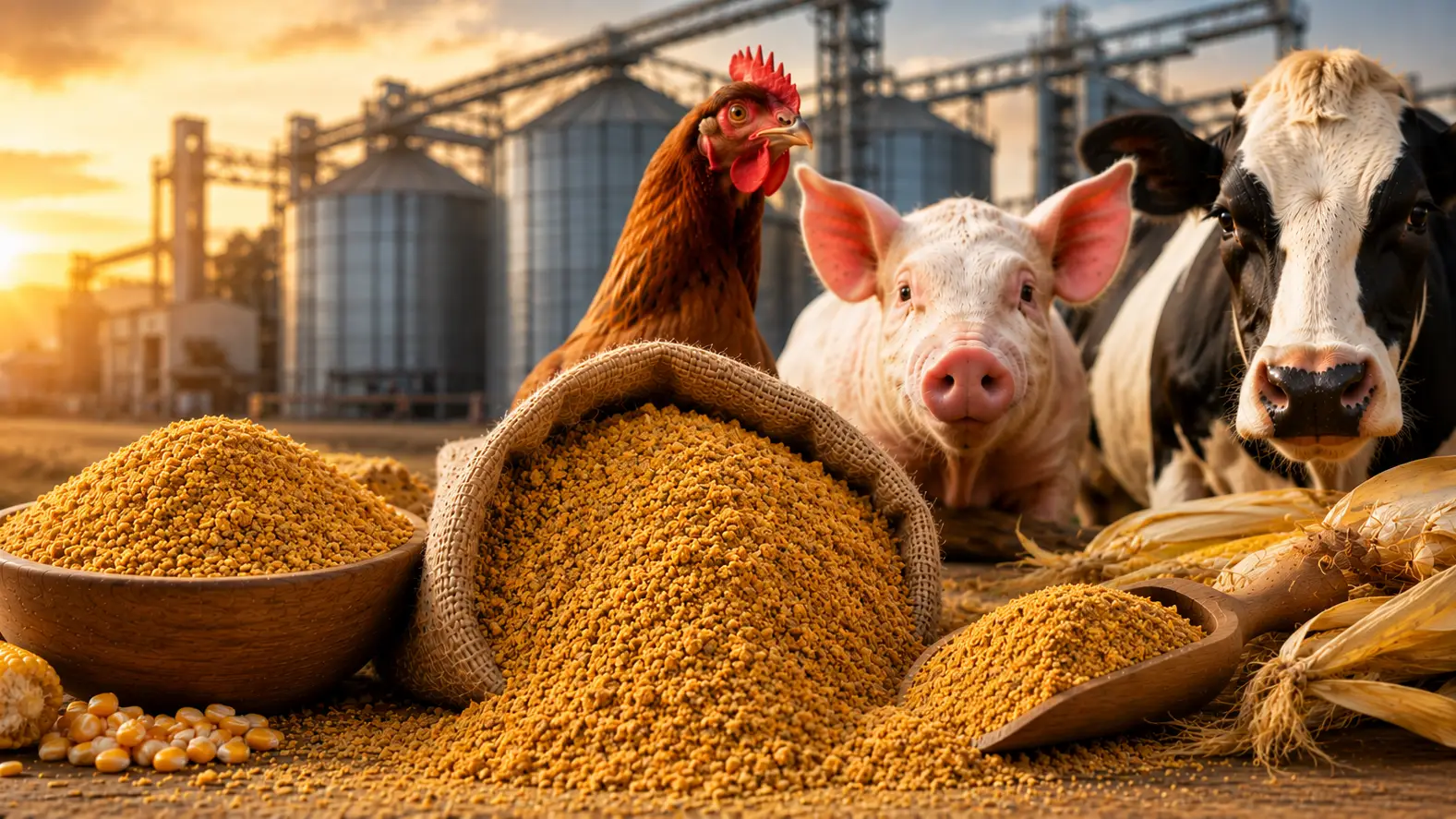
The primary industrial application of DDGS is as an ingredient in animal feed formulations. Its nutritional profile makes it suitable for inclusion in diets for cattle, dairy animals, poultry, and swine. Feed manufacturers use DDGS as a source of protein, energy, phosphorus, and other nutrients that contribute to balanced livestock nutrition programs.
Technical research published by the National Corn Growers Association highlights that DDGS has become widely incorporated into livestock feed systems due to its nutrient contribution and availability from ethanol production facilities. Its role in feed formulation continues to evolve as nutrition specialists optimize inclusion rates across different animal categories.
DDGS Uses in Dairy, Poultry, and Livestock Production
Dairy producers use DDGS as a feed ingredient because it can provide protein and energy components needed for milk production systems. In cattle feeding operations, DDGS can serve as a replacement or supplement for traditional feed ingredients, depending on formulation requirements and market conditions.
Poultry and swine industries also utilize DDGS in carefully balanced feed formulas. Procurement teams within these sectors often assess factors such as amino acid content, digestibility, moisture levels, and consistency between shipments before selecting suppliers.
Market demand for DDGS is therefore closely connected with global livestock production trends. Regions experiencing growth in meat, dairy, and poultry consumption often create additional demand for reliable feed ingredient supply chains.
Market Trends Driving Global DDGS Demand and Supply Growth
The Connection Between Ethanol Production and DDGS Availability
DDGS supply is directly influenced by ethanol production levels because it is generated as a coproduct during grain-based ethanol manufacturing. Changes in biofuel policies, grain availability, and energy markets can affect DDGS production volumes and international trade patterns.
According to the Renewable Fuels Association, ethanol production remains a major agricultural processing activity, creating substantial volumes of coproducts that contribute to feed markets. This relationship makes DDGS an important link between renewable energy production and livestock nutrition.
For international buyers, understanding ethanol market conditions is essential when planning DDGS procurement strategies. Feed manufacturers and distributors often monitor supply regions, export availability, and logistics conditions to maintain stable inventory levels.
Sustainability Trends Supporting DDGS Market Growth
Sustainability has become an increasingly important factor influencing feed ingredient selection. DDGS supports resource efficiency by transforming ethanol production residues into commercially valuable nutrition inputs instead of leaving agricultural materials unused.
Industry stakeholders are increasingly exploring alternative feed ingredients that reduce waste and improve agricultural efficiency. DDGS aligns with this trend by supporting circular economy principles within food, agriculture, and biofuel supply chains.
As sustainability expectations increase among food producers and agricultural companies, demand for traceable and responsibly sourced feed ingredients may continue to influence DDGS purchasing decisions.
Key Buyer Groups and Procurement Considerations for DDGS
Who Buys DDGS in Global Markets?
The main buyers of DDGS include animal feed manufacturers, livestock producers, agricultural distributors, commodity traders, and importers. These organizations purchase DDGS based on their operational requirements, including feed production capacity, regional livestock demand, and supply chain objectives.
Large-scale feed companies typically evaluate suppliers that can provide consistent volumes and meet technical specifications. Meanwhile, regional distributors may focus on flexible supply arrangements that allow them to serve multiple agricultural customers.
Through its marketplace platform, Tradeasia provides access to DDGS sourcing information through its Distillers Dried Grains with Solubles product page, helping buyers understand product availability and connect sourcing requirements with potential supply solutions.
What Procurement Teams Evaluate Before Purchasing DDGS
Procurement decisions for DDGS involve multiple factors beyond price. Buyers commonly review product specifications, supplier credibility, shipment capability, documentation availability, and consistency of quality between deliveries.
Feed manufacturers may also evaluate DDGS based on nutritional parameters, including protein content, fiber levels, moisture percentage, and suitability for specific animal feed formulations. These technical considerations help ensure compatibility with existing production systems.
Because DDGS is traded internationally, buyers also compare suppliers based on logistics capabilities, export experience, and their ability to support long-term supply relationships. Reliable sourcing reduces operational risks for feed producers that depend on continuous ingredient availability.
DDGS Supply Chain Opportunities for Manufacturers and Distributors
Global Sourcing Potential for DDGS Suppliers
The international DDGS market creates opportunities for ethanol producers, agricultural traders, distributors, and feed ingredient suppliers. As livestock industries expand in different regions, demand for imported feed ingredients can create new commercial pathways.
According to market analysis from the International Grains Council, global grain and feed markets are influenced by production levels, trade flows, and demand from livestock sectors. These factors contribute to changing opportunities for companies involved in feed ingredient distribution.
Manufacturers and traders entering DDGS markets need strong supply chain management capabilities. This includes maintaining product quality, coordinating transportation, managing documentation, and understanding regional import requirements.
The Importance of Reliable DDGS Supplier Networks
Reliable supplier networks are essential because feed manufacturers require predictable access to ingredients for ongoing production. Supply disruptions can affect feed formulation schedules and increase operational costs.
B2B marketplaces help connect buyers with broader supplier ecosystems by providing product information, sourcing channels, and commercial communication opportunities. For companies exploring DDGS procurement, supplier transparency and technical information are important elements of successful purchasing decisions.
The DDGS sourcing page provides buyers with a dedicated reference point for exploring product information and supply opportunities within the feed ingredient market.
How Tradeasia Supports DDGS Sourcing for Global Buyers
Supporting Efficient Feed Ingredient Procurement
Tradeasia and Chemtradeasia support industrial buyers by providing digital marketplace access for companies seeking agricultural and chemical-related supply solutions. For DDGS buyers, marketplace visibility can simplify supplier discovery and improve communication between purchasers and potential supply partners.
The commercial value of DDGS depends on connecting production sources with industries that require dependable feed ingredients. Buyers benefit from platforms that organize product information, supplier details, and sourcing opportunities in a structured format.
As global feed markets become more interconnected, digital procurement channels are becoming increasingly important for companies managing international supply chains.
Building Long-Term DDGS Supply Relationships
Successful DDGS procurement requires more than a single transaction. Feed manufacturers, distributors, and traders often seek reliable partners capable of supporting recurring supply requirements.
By providing product-focused sourcing information through the Distillers Dried Grains with Solubles supplier information page, Tradeasia helps buyers evaluate potential opportunities and better understand the commercial role of DDGS.
For businesses involved in animal nutrition and agricultural trade, DDGS represents a strategic feed ingredient that connects sustainability, livestock production, and global supply chain development.
Sources
- United States Department of Agriculture Economic Research Service – Agricultural markets and ethanol coproduct information
https://www.ers.usda.gov
- Renewable Fuels Association – Ethanol industry production and coproduct information
https://ethanolrfa.org
- International Grains Council – Global grain and feed market information
https://www.igc.int
Leave a Comment