Introduction Crude Palm Olein
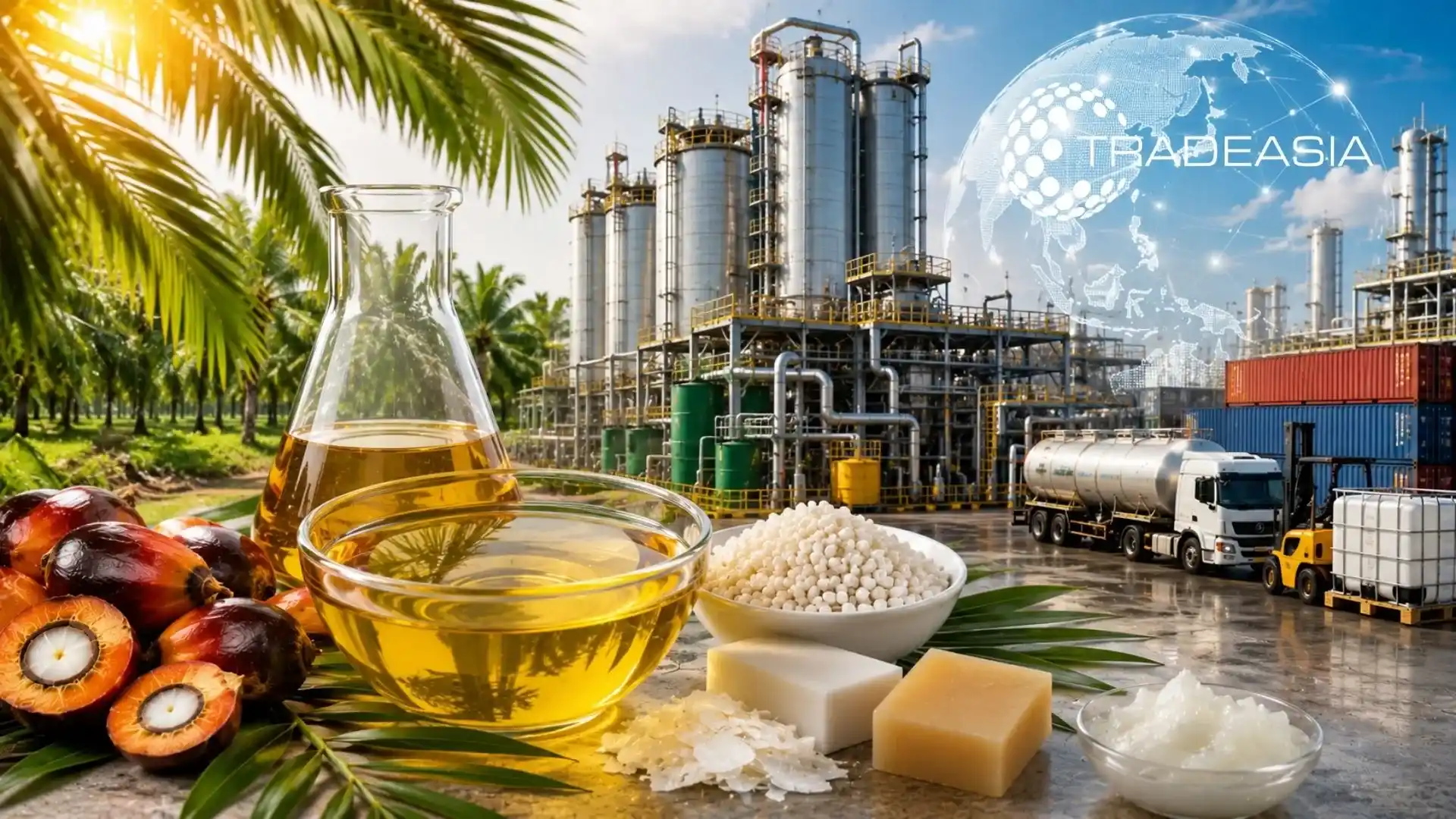
Across Asia, the oleochemical industry is entering a new growth phase driven by sustainability mandates, cost optimization, and the shift away from fossil-based raw materials. At the center of this transition stands Crude Palm Olein (CPOO), a versatile fraction of palm oil that has become a primary feedstock for a wide spectrum of value-added oleochemicals. As 2026 approaches, industrial buyers are increasingly evaluating how to secure reliable supplies of crude palm olein and align their procurement strategies with evolving regional and global market dynamics.
Asia dominates the global palm oil value chain, with Indonesia and Malaysia together accounting for roughly 80–85% of world palm oil production, according to data from the Indonesian Palm Oil Association (GAPKI) and the Malaysian Palm Oil Board (MPOB). A significant portion of this output is processed into Crude Palm Olein, which serves both the food and non-food sectors. For oleochemical producers in China, India, Southeast Asia, and other fast-growing markets, crude palm olein offers a cost-effective, high-availability, and technically suitable raw material for surfactants, fatty acids, fatty alcohols, soaps, lubricants, and bio-based specialty chemicals.
Industrial buyers evaluating crude palm olein for 2026 must consider not only technical specifications, but also regulatory requirements, traceability expectations, and pricing volatility linked to weather, geopolitics, and biofuel policies. Platforms such as chemtradeasia have emerged as important intermediaries, connecting buyers with vetted producers, streamlining documentation, and helping mitigate supply chain risk. This article provides a structured overview of crude palm olein’s role in the Asian oleochemical sector, its key applications, demand outlook, and practical buying considerations for the coming years.
Crude Palm Olein as a Strategic Oleochemical Feedstock
Crude Palm Olein is the liquid fraction obtained from the fractionation of crude palm oil, typically at controlled temperatures to separate the more liquid olein from the more solid stearin. While refined, bleached, and deodorized (RBD) palm olein is widely used in food applications, crude palm olein retains more impurities, carotenoids, and free fatty acids, making it particularly attractive as an industrial feedstock where strict food-grade standards are not required. Its fatty acid composition, dominated by palmitic (C16:0) and oleic (C18:1) acids, makes it a robust precursor for a broad range of oleochemicals.
From a technical perspective, typical crude palm olein specifications for oleochemical use include an iodine value in the range of 50–60 g I₂/100 g, free fatty acid (FFA) content often between 3–5% (as palmitic acid) for crude grades, and a melting point around 19–24°C. Color is usually higher than refined grades due to carotenoids, but this is generally acceptable for non-food industrial processing where subsequent refining, splitting, or hydrogenation will occur. These specifications can be customized by suppliers to meet the requirements of downstream processes such as fat splitting, transesterification, or hydrogenation.
Strategically, crude palm olein has become a preferred feedstock because of its balance between cost, availability, and performance. Compared with tallow, coconut oil, or petrochemical-based feedstocks, CPOO often offers a more competitive cost per unit of fatty acid, especially in Southeast Asia where logistics and production are localized. Additionally, the palm oil sector has made measurable progress on sustainability certification (RSPO, ISCC, MSPO, ISPO), enabling oleochemical buyers to source crude palm olein that meets corporate ESG and traceability requirements. Through trading and distribution networks such as chemtradeasia, industrial users can access both conventional and certified sustainable grades, aligning procurement with customer expectations in home and export markets.
Applications of Crude Palm Olein in the Asian Oleochemical Industry
In Asia’s oleochemical sector, Crude Palm Olein is primarily converted into basic building blocks such as fatty acids, fatty alcohols, methyl esters, glycerin, and soap noodles. These intermediates then flow into a wide range of downstream applications. For example, palm-based fatty acids derived from crude palm olein are used in the manufacture of soaps and detergents, rubber processing aids, textile auxiliaries, and metalworking fluids. The relatively high content of saturated and monounsaturated fatty acids enables good oxidative stability and desirable physical properties in end products.
Another major application is the production of fatty alcohols and surfactants. Through processes such as hydrogenation and oxo-synthesis, crude palm olein can be transformed into C12–C18 fatty alcohols, which are critical raw materials for non-ionic and anionic surfactants used in household and industrial cleaning products, personal care formulations, and institutional hygiene solutions. Asian producers, particularly in Malaysia, Indonesia, and Singapore, have invested heavily in palm-based fatty alcohol capacity, leveraging proximity to crude palm olein supply to remain cost-competitive against petrochemical-based Lauryl Alcohol or synthetic surfactants.
Beyond conventional oleochemicals, crude palm olein is increasingly used in emerging applications such as bio-lubricants, bioplastics, and biodiesel intermediates. Methyl esters derived from CPOO can serve as base stocks for environmentally friendly hydraulic fluids, metalworking oils, and transformer oils, offering superior biodegradability compared with mineral oils. In the biodiesel segment, palm methyl ester (PME) competes with other vegetable oil-based esters, particularly in markets like Indonesia and Malaysia where blending mandates support demand. For industrial buyers, sourcing suitable crude palm olein grades for these applications often requires close coordination with suppliers or trading partners like chemtradeasia to ensure that feedstock quality aligns with process and performance requirements.
Market Trends and Demand Outlook for 2026 in Asia
The demand for palm-based oleochemicals in Asia has grown steadily over the past decade, underpinned by expanding middle-class consumption, urbanization, and stronger hygiene awareness. Industry estimates suggest that global oleochemical demand has been growing at a compound annual growth rate (CAGR) of around 4–6%, with Asia accounting for the majority of incremental volume. As a key feedstock, Crude Palm Olein is expected to benefit from this expansion, particularly in markets such as China, India, Indonesia, Vietnam, and the Philippines, where downstream manufacturing bases are expanding.
Several structural trends are likely to shape the crude palm olein market by 2026. First, the continued push for bio-based and biodegradable ingredients in home and personal care products will support palm-based surfactants and fatty acids, provided that sustainability concerns are adequately addressed. Second, regulatory developments—such as stricter limits on petrochemical content in certain applications, or incentives for bio-based lubricants, could further increase the attractiveness of palm-derived oleochemicals. Third, regional trade agreements and shifts in import tariffs may influence the flow of crude palm olein and its derivatives between ASEAN, China, India, and other Asian markets.
At the same time, buyers must be prepared for volatility. Palm oil prices, and by extension crude palm olein prices, are sensitive to weather patterns (El Niño/La Niña), fertilizer costs, labor availability, and competing uses such as biodiesel. Policy changes—like adjustments to biodiesel blending mandates in Indonesia or export levies in producing countries—can rapidly alter supply-demand balances. By 2026, digital trading platforms and integrated distributors such as chemtradeasia are expected to play an even larger role in providing real-time market information, multi-origin sourcing options, and hedging mechanisms, helping industrial buyers navigate price and supply risks more effectively.
Key Considerations for Industrial Buyers and Sourcing via chemtradeasia
For industrial buyers planning crude palm olein procurement strategies toward 2026, a structured evaluation of technical, commercial, and sustainability factors is essential. On the technical side, buyers should define acceptable ranges for key parameters such as FFA content, moisture and impurities, iodine value, color, and odor, based on their processing routes. For instance, soap manufacturers may tolerate higher FFA levels than producers of high-purity fatty alcohols, while biodiesel producers may prioritize consistent iodine value and low moisture to minimize side reactions during transesterification. Clear specification sheets and agreed testing methods (e.g., AOCS or ISO standards) help avoid quality disputes and production disruptions.
Commercially, contract structures must account for price volatility and logistics. Many buyers link crude palm olein prices to benchmark palm oil futures (such as Bursa Malaysia Derivatives) with agreed premiums or discounts based on quality and location. Freight, storage, and handling costs can significantly impact landed cost, especially for buyers located outside major producing hubs. Establishing multi-origin or multi-supplier strategies can improve resilience against localized disruptions, but requires robust supplier qualification and documentation processes. Here, global trading and distribution networks like chemtradeasia can add value by consolidating volumes, optimizing shipping routes, and offering flexible shipment sizes tailored to the buyer’s consumption profile.
Sustainability and compliance considerations are increasingly central to procurement decisions. Many multinational brands and regional champions now require that palm-based feedstocks, including Crude Palm Olein, be traceable and certified under schemes like RSPO, ISCC, or local national standards. Buyers must also comply with country-specific regulations on chemical imports, product labeling, and environmental performance. By partnering with intermediaries such as chemtradeasia, industrial customers can access a curated portfolio of certified and non-certified crude palm olein grades, obtain the necessary documentation (COA, MSDS/SDS, RSPO/ISCC certificates), and receive support in aligning feedstock choices with corporate ESG policies and customer expectations in various end markets.
Conclusion
As Asia’s oleochemical sector continues to expand and diversify, Crude Palm Olein is set to remain a cornerstone feedstock that underpins competitiveness, innovation, and sustainability. Its favorable fatty acid profile, broad availability in key producing countries, and adaptability to a wide range of industrial processes make it an attractive choice for manufacturers of soaps, detergents, surfactants, lubricants, and emerging bio-based specialties. With demand projected to grow steadily through 2026, strategic sourcing of crude palm olein will be a critical success factor for both established players and new entrants in the region’s oleochemical value chain.
Industrial buyers who proactively address technical specifications, market volatility, and sustainability requirements will be best positioned to capture the opportunities associated with palm-based oleochemicals. Leveraging the capabilities of integrated trading and distribution partners such as chemtradeasia can help streamline supplier selection, ensure consistent quality, and provide access to multi-origin supply options and certified sustainable materials. In an environment shaped by shifting regulations, evolving customer expectations, and heightened scrutiny of supply chains, informed and agile procurement strategies for crude palm olein will be essential to long-term competitiveness in Asia’s oleochemical industry.
This article is intended solely for informational and market insight purposes and does not constitute technical, safety, or professional advice. Readers should independently verify all information with qualified experts, consult official documentation such as MSDS/SDS and relevant standards, and, where appropriate, contact our team or their own advisors to assess suitability for specific processes, products, or applications.

Leave a Comment