Understanding Citrus Pulp and Its Role in Global Supply Chains
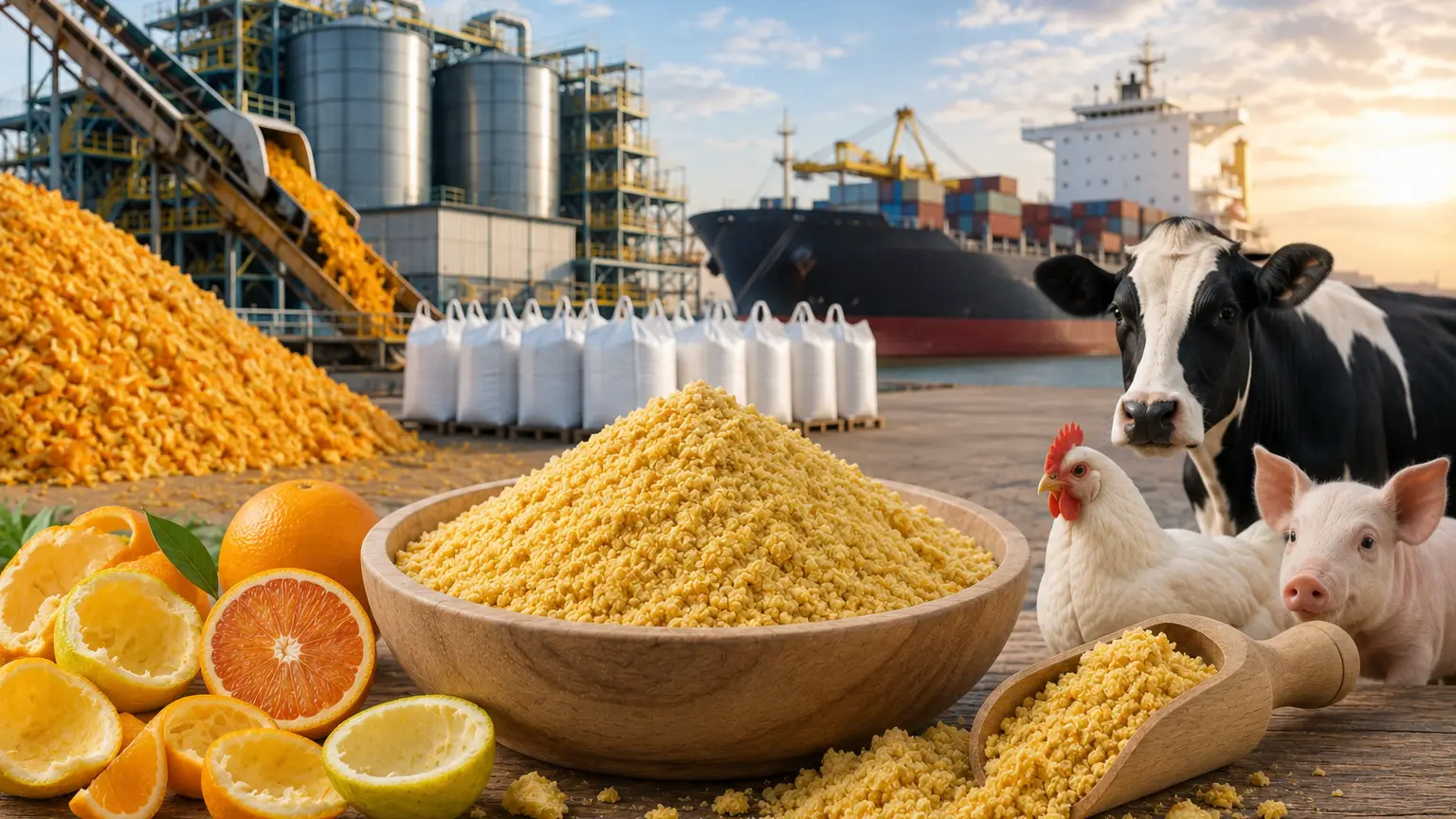
Citrus pulp has become an important agricultural by-product ingredient within international supply chains, particularly for industries seeking functional feed materials and sustainable resource utilization. Produced from citrus processing residues such as peel, pulp, and related fruit components, citrus pulp transforms agricultural processing outputs into commercially valuable ingredients. According to the Food and Agriculture Organization (FAO), citrus processing by-products have long been utilized as animal feed resources due to their nutritional value and availability from large-scale citrus industries.
Citrus Pulp as a Value-Added Agricultural Ingredient
The commercial importance of citrus pulp comes from its ability to connect fruit processing industries with animal nutrition markets. Instead of treating citrus residues as waste materials, processors can convert them into useful feed ingredients that support circular economy practices. This approach creates additional revenue opportunities for citrus processors while providing alternative ingredient options for feed manufacturers.
For international buyers, citrus pulp represents more than a single commodity. It is part of a broader agricultural supply chain involving citrus growers, processing facilities, drying operations, exporters, distributors, and industrial end users. The product’s availability is closely linked to citrus production regions and processing capacity.
Supply Chain Role in International Trade
The citrus pulp supply chain requires coordination between agricultural production and industrial demand. Buyers typically evaluate factors such as consistency of supply, processing standards, transportation capability, and supplier reliability before establishing long-term sourcing relationships. The FAO highlights that citrus by-products have been used in multiple regions where citrus processing creates significant quantities of feed-compatible materials.
For companies searching for dependable sourcing channels, Tradeasia / Chemtradeasia marketplace positioning helps connect industrial buyers with supplier networks. Buyers can review the Citrus Pulp product page to understand product availability and sourcing information.
Industrial Applications Driving Citrus Pulp Demand
Citrus pulp is primarily recognized for its application in animal nutrition, especially as a feed ingredient for livestock industries. Its fiber content, energy contribution, and compatibility with feed formulations have made it a valuable material for compound feed producers. Market analysis indicates that animal feed remains the dominant application area for citrus pulp products.
Citrus Pulp Applications in Animal Feed Manufacturing
Feed manufacturers use citrus pulp as part of balanced feed formulations for livestock, particularly ruminants such as cattle. Its characteristics allow it to be incorporated into different feed systems depending on nutritional requirements, formulation strategies, and regional availability of alternative feed materials.
The demand for citrus pulp is influenced by livestock production growth, feed cost management, and increasing interest in sustainable feed ingredients. Research examining citrus pulp supplementation has evaluated its role as an energy source within animal diets, demonstrating continued scientific interest in fruit-based feed alternatives.
Expanding Uses Through Sustainable Agriculture
Beyond traditional feed applications, citrus pulp reflects a broader trend toward agricultural waste valorization. Food processors and ingredient companies increasingly explore ways to maximize the commercial value of agricultural residues while reducing disposal challenges.
This sustainability focus creates opportunities for manufacturers, traders, and distributors involved in agricultural ingredient markets. Buyers looking for citrus pulp sourcing solutions often consider not only price and availability but also the supplier’s ability to provide stable quality and responsible supply management.
Market Trends and Sustainability Opportunities for Citrus Pulp Buyers
The citrus pulp market is influenced by several global trends, including sustainable production, circular economy initiatives, and demand for alternative feed ingredients. As industries seek ways to improve resource efficiency, agricultural by-products are receiving greater attention as commercially useful materials. Market research identifies sustainability and waste reduction as important factors supporting citrus pulp demand.
Growing Demand for Sustainable Feed Ingredients
Feed producers are increasingly evaluating ingredients based on nutritional performance, availability, and sustainability impact. Citrus pulp offers an example of how agricultural processing residues can become part of a more efficient resource cycle.
This trend is particularly relevant for companies operating in regions where livestock industries require reliable ingredient supply. By sourcing agricultural by-products, manufacturers can diversify raw material options and reduce dependence on limited ingredient categories.
Regional Supply and Market Development
Citrus pulp availability depends strongly on citrus-producing regions and processing infrastructure. Countries with significant citrus industries often have stronger opportunities to supply dried citrus pulp to international markets. However, logistics, storage conditions, and export capabilities remain important considerations.
According to industry market analysis, citrus pulp demand is connected with livestock feed consumption patterns and the development of international agricultural trade networks. Companies entering this market must evaluate both regional production capacity and buyer requirements.
Key Buyer Groups and Procurement Considerations for Citrus Pulp
Citrus pulp buyers come from multiple sectors connected to animal nutrition and agricultural ingredient distribution. Understanding buyer requirements is essential for suppliers seeking long-term commercial relationships.
Who Buys Citrus Pulp
The main buyer groups include animal feed manufacturers, livestock nutrition companies, agricultural distributors, commodity traders, and industrial ingredient procurement teams. These organizations typically purchase citrus pulp in bulk quantities for integration into feed production or regional distribution networks.
Procurement teams usually assess product specifications, supply reliability, documentation, logistics capability, and supplier experience. These factors influence purchasing decisions because feed manufacturers require consistent ingredient performance across production cycles.
Evaluating Citrus Pulp Suppliers
Supplier comparison is a major part of B2B purchasing decisions. Buyers often compare suppliers based on sourcing transparency, production capacity, export readiness, and communication efficiency.
A reliable marketplace platform supports this evaluation process by providing access to product information and supplier connections. The Citrus Pulp supplier information helps buyers identify sourcing opportunities and evaluate potential commercial partnerships.
Commercial Sourcing Strategies for Citrus Pulp Supply Networks
Successful citrus pulp procurement requires a structured sourcing strategy that considers product quality, supply continuity, and market conditions. International buyers often work with suppliers capable of supporting repeat orders and cross-border logistics requirements.
Importance of Reliable Citrus Pulp Procurement
For feed manufacturers and distributors, supply interruptions can affect production planning and customer commitments. Therefore, procurement teams prioritize suppliers with dependable availability and established export processes.
The global nature of agricultural markets means buyers must consider seasonal production cycles, transportation requirements, and regional supply risks when developing sourcing plans.
Trade Marketplace Opportunities for Buyers and Suppliers
B2B marketplaces create opportunities by connecting manufacturers, traders, and buyers across different regions. For citrus pulp suppliers, digital marketplaces improve visibility among industrial customers, while buyers gain access to broader sourcing options.
Tradeasia / Chemtradeasia supports industrial sourcing activities by providing marketplace infrastructure for buyers seeking agricultural and industrial ingredients. A structured sourcing approach allows companies to identify suitable partners while improving procurement efficiency.
Future Outlook for Citrus Pulp in Global B2B Markets
The future of citrus pulp is closely connected with the continued development of sustainable agriculture, livestock production, and international ingredient trading. As companies seek practical solutions for resource efficiency, agricultural by-products are expected to remain commercially relevant.
Market Opportunities for Manufacturers and Distributors
Manufacturers can benefit from increasing demand for sustainable feed materials by improving processing capabilities, maintaining quality standards, and developing reliable export channels. Distributors can also play an important role by connecting regional suppliers with international buyers.
Market reports suggest that citrus pulp demand will continue to be shaped by animal feed applications, sustainability initiatives, and evolving agricultural supply chains.
Positioning Citrus Pulp for Long-Term Commercial Growth
For B2B buyers, citrus pulp purchasing decisions depend on balancing cost, availability, application suitability, and supplier reliability. Companies that establish strong sourcing relationships can better manage changing market conditions.
Through marketplace-driven sourcing, buyers can explore supply opportunities while suppliers can reach new industrial customers. The Citrus Pulp product page provides a commercial entry point for organizations interested in evaluating sourcing options.
Sources
Leave a Comment