Citrus Pulp in Animal Feed: Applications and Global Supply Trends
Citrus Pulp in the Global Feed Industry
Citrus pulp is a byproduct derived from the processing of oranges, lemons, and other citrus fruits after juice extraction. It is widely used as a livestock feed ingredient due to its fiber content and energy value. According to FAO livestock feed material assessments, citrus byproducts have become increasingly important in reducing feed costs and improving supply efficiency in animal nutrition systems.
Industrial Definition and Production Context
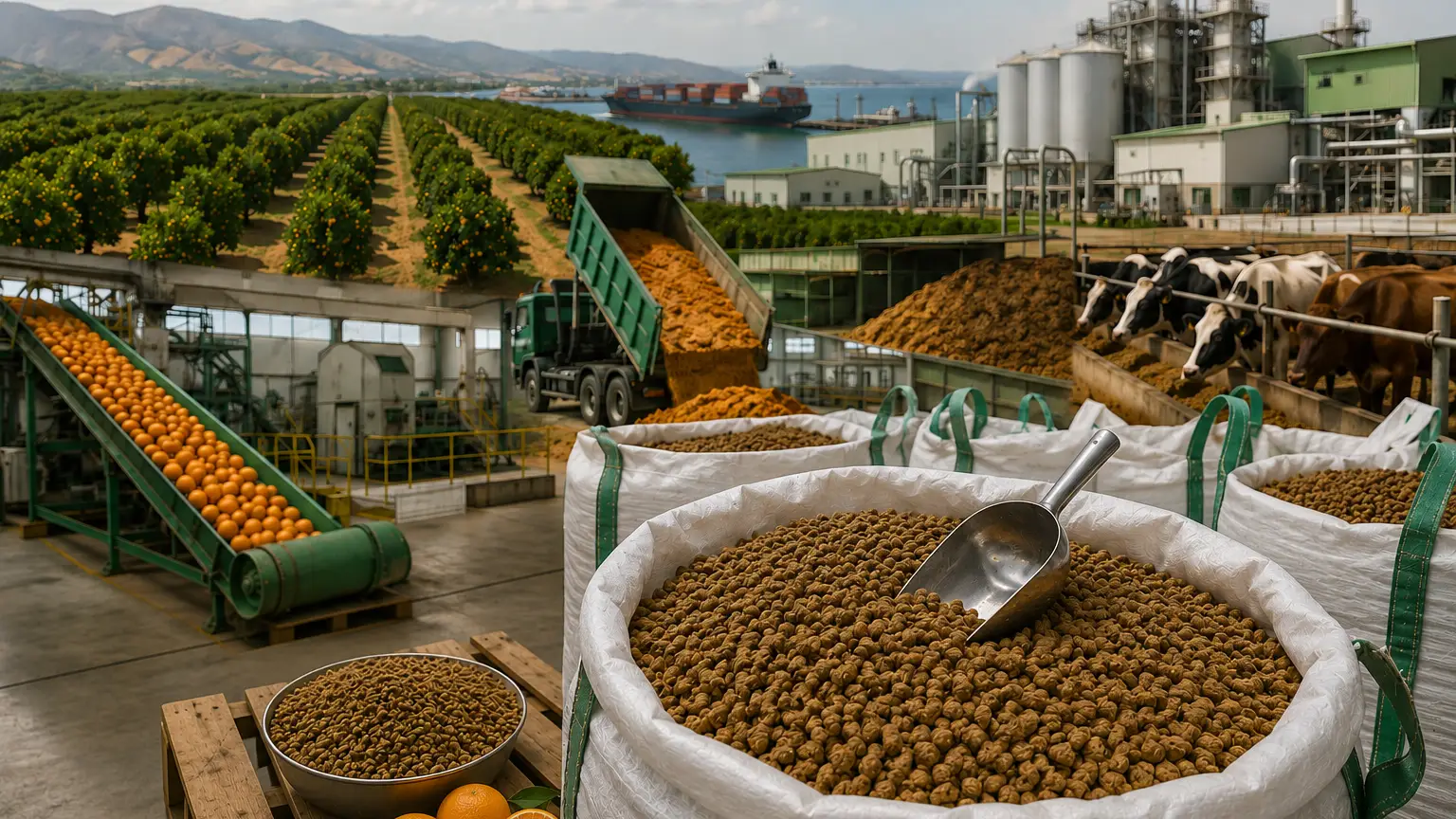
Citrus pulp is typically produced through drying and pelletizing wet citrus residue from juice manufacturing. This process stabilizes the material for long-distance transport and long shelf-life use in feed mills.
The transformation of fruit waste into feed aligns with global agro-industrial efficiency strategies, especially in regions with strong citrus processing industries such as Brazil, the United States, and the Mediterranean.
Feed Industry Integration
Feed manufacturers incorporate citrus pulp as a partial substitute for traditional energy sources like corn or barley. This helps optimize cost structures while maintaining digestible energy levels in ruminant diets.
Its integration into feed formulations is supported by research from agricultural nutrition studies published in Feedipedia by INRAE and CIRAD, which highlight its digestibility and palatability advantages.
Nutritional Composition and Functional Benefits
Citrus pulp is valued for its high soluble fiber, moderate energy content, and fermentable carbohydrates. USDA feed composition data indicates that citrus pulp contains pectin, which supports rumen fermentation efficiency and microbial health in cattle.
Energy and Fiber Characteristics
The product provides a balanced energy source with lower starch compared to cereal grains. This makes it suitable for stabilizing rumen pH and improving feed efficiency in dairy and beef cattle systems.
Its fiber profile supports slow fermentation, reducing the risk of digestive disorders in high-performance livestock operations.
Functional Feed Performance
Citrus pulp improves feed intake due to its natural palatability and mild aroma. Livestock often accept it readily, making it useful in blended feed formulations.
Research in animal nutrition journals highlights its role in improving milk fat content and supporting steady weight gain in ruminant animals.
Applications in Ruminant Livestock Nutrition
Citrus pulp is primarily used in cattle, sheep, and goat feed formulations. According to the National Research Council (NRC) guidelines on animal nutrition, fibrous byproducts like citrus pulp can replace a portion of grain-based feed without reducing productivity.
Dairy and Beef Cattle Feed Use
In dairy nutrition systems, citrus pulp is used to support milk production while maintaining rumen stability. It is often included in total mixed rations (TMR) to balance energy and fiber intake.
Beef feedlot operations also utilize citrus pulp as a cost-effective energy supplement during fattening phases.
Feed Formulation Flexibility
Feed formulators use citrus pulp in both pelleted and mash feed formats. Its binding properties help improve pellet durability and reduce dust in feed processing.
This flexibility makes it attractive for large-scale feed mills seeking stable and scalable raw material inputs.
Sustainability and Circular Economy Role
Citrus pulp plays a significant role in circular agriculture systems by converting food processing waste into valuable animal nutrition input. According to FAO circular bioeconomy reports, such byproducts reduce environmental waste and improve resource efficiency.
Waste Valorization in Agro-Industry
The utilization of citrus pulp reduces landfill waste from juice production industries. Instead of disposal, the material is redirected into livestock feed channels.
This contributes to lower environmental impact and improved sustainability metrics for food processors and feed manufacturers.
Environmental and Economic Efficiency
Using citrus pulp reduces dependency on conventional feed grains, which are subject to price volatility and land use pressures.
This dual benefit of cost reduction and sustainability has increased its adoption in global feed supply chains.
Global Market Demand and Supply Chain Trends
The citrus pulp market is closely linked to global citrus juice production volumes. Market analysis from agricultural commodity research institutions indicates steady demand growth driven by livestock industry expansion and feed cost optimization needs.
Trade and Export Dynamics
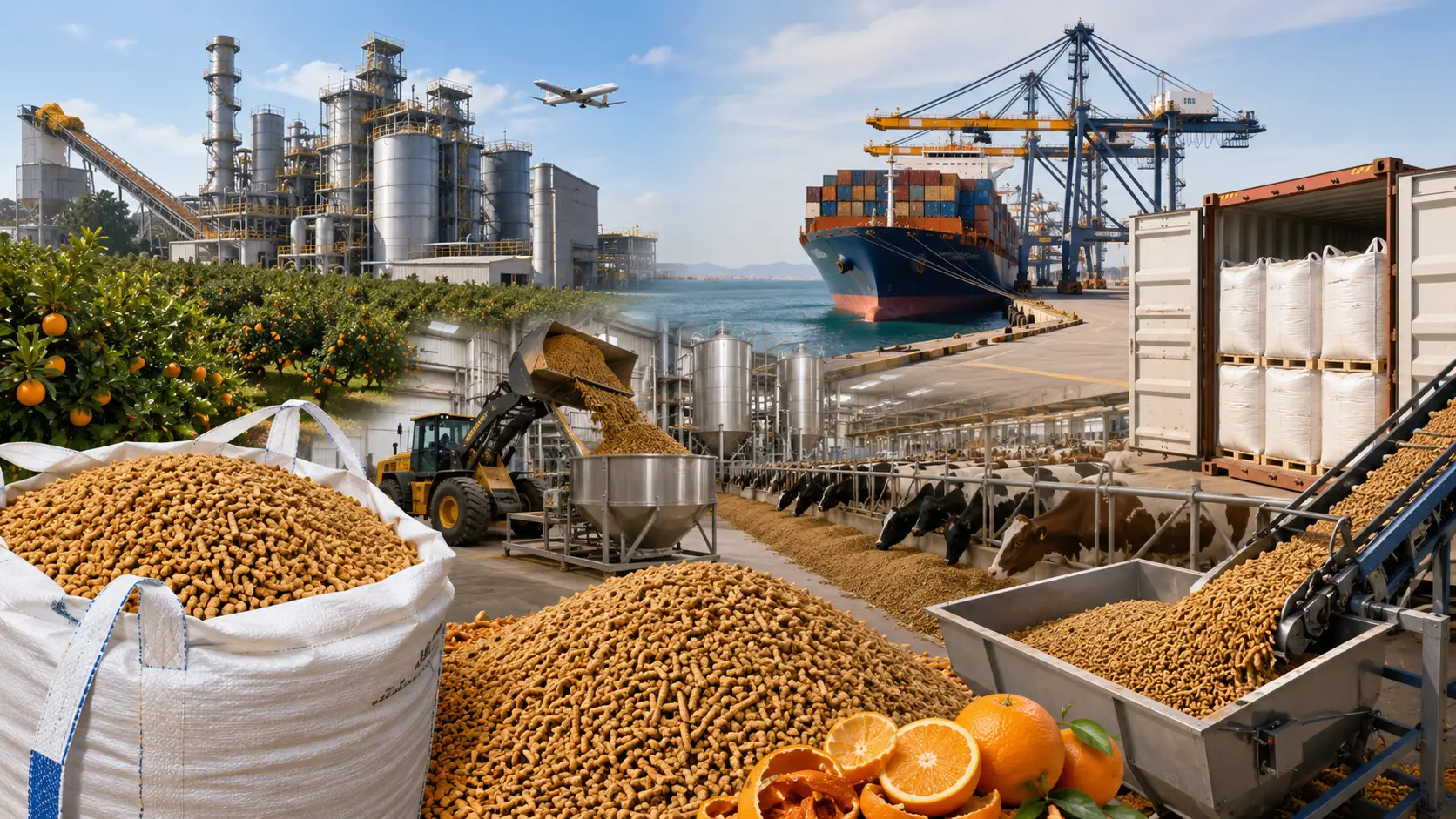
Major exporting regions include Brazil, the United States, and parts of Southern Europe. These regions supply dried citrus pulp to feed-importing countries in Asia and the Middle East.
Logistics efficiency and pelletized form have strengthened international trade flows in this commodity segment.
Price Sensitivity and Market Drivers
Citrus pulp pricing is influenced by citrus harvest cycles, energy costs for drying, and demand from livestock sectors. Feed mills often adjust procurement strategies based on seasonal availability.
Growing demand for cost-efficient feed ingredients continues to support long-term market stability.
Buyer Requirements and Procurement Strategy
Buyers of citrus pulp typically include feed manufacturers, livestock farms, agricultural distributors, and commodity traders. Procurement teams focus on consistency, nutritional quality, and moisture control when sourcing this product.
Key Evaluation Criteria
Quality assessment includes fiber content, pellet integrity, and contamination control. Buyers also evaluate supplier reliability and production capacity.
International standards from feed safety authorities emphasize consistent quality control for imported feed ingredients.
B2B Sourcing Considerations
Bulk availability and long-term supply contracts are critical for industrial buyers. Price competitiveness and logistics reliability often determine supplier selection.
Platforms like Tradeasia / Chemtradeasia / Tradechem Marketplace support buyers in identifying verified suppliers and stable sourcing channels.
Conclusion: Strategic Value for B2B Buyers
Citrus pulp represents a cost-effective and sustainable feed ingredient with strong applications in ruminant nutrition systems. Its role in reducing feed costs while improving livestock performance makes it a strategic commodity in global agriculture supply chains.
For B2B buyers, citrus pulp offers both economic and environmental advantages, positioning it as a key material in modern feed formulation strategies.
Sources
https://www.fao.org
https://www.feedipedia.org
https://www.aphis.usda.gov
Leave a Comment