Choline Chloride 60% Corn Cob in the Feed Industry
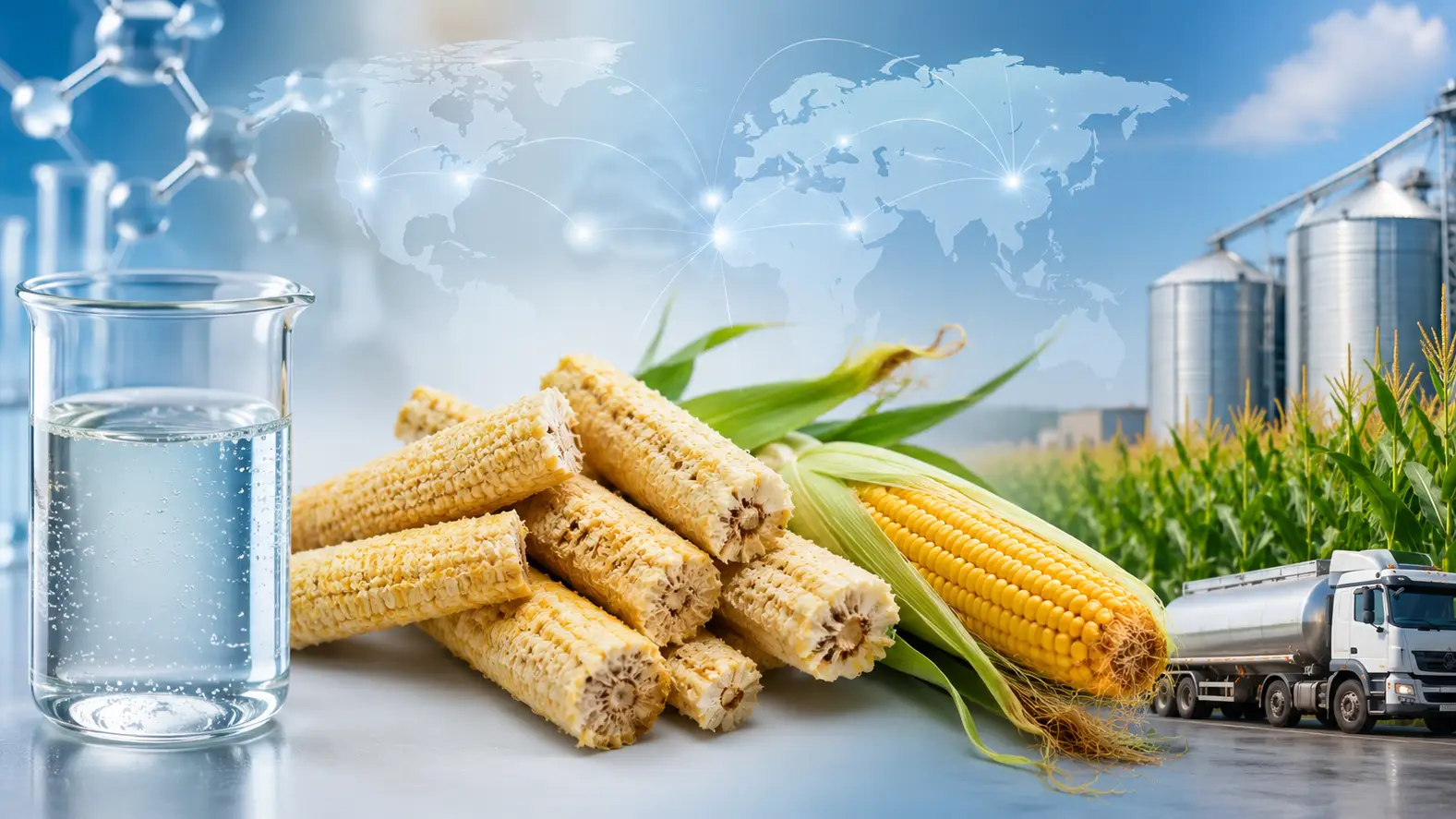
Choline Chloride 60% Corn Cob is positioned as a feed-oriented choline ingredient in a carrier-based form. From a commercial sourcing perspective, the product belongs to the broader category of nutritional feed additives used by feed manufacturers and animal nutrition businesses to formulate diets for production animals. The corn cob designation is particularly relevant to procurement because buyers are not evaluating only the active ingredient; they are also considering the physical form in which the ingredient is supplied and handled within feed production systems. The product should therefore be viewed as an industrial feed ingredient rather than as a general-purpose chemical.
Understanding the Product Category
The importance of nutritional additives is closely connected with the economics of modern animal production. The Food and Agriculture Organization of the United Nations notes that feed is the most important input cost in intensive poultry production and that practical poultry diets combine basic feed ingredients with vitamin and mineral supplements and other feed additives. This makes consistent access to functional nutritional ingredients commercially important for feed mills and premix manufacturers.
For procurement teams, Choline Chloride 60% Corn Cob is therefore relevant where a standardized choline ingredient is required for feed formulation. Buyers should distinguish between the product name, concentration, carrier and applicable feed-grade requirements rather than treating every Choline Chloride quotation as interchangeable. The product page for Choline Chloride 60% Corn Cob can serve as a starting point for buyers researching the specific commercial offering and its sourcing context.
Why the Carrier Matters Commercially
A carrier-based product can influence how a feed ingredient is transported, stored, dosed and incorporated into a formulation. For industrial buyers, this means the purchasing decision can extend beyond active-ingredient content to practical considerations such as compatibility with existing premix operations, handling requirements, packaging, shipment conditions and quality documentation. These factors become more important as purchasing volumes increase and the ingredient moves through multiple stages of the supply chain.
Feed additive procurement is also increasingly connected to regulatory and quality assurance processes. The European Food Safety Authority explains that feed additives placed on the EU market are subject to scientific assessment covering areas such as identity, characterization, safety and efficacy. While regulatory requirements differ by jurisdiction and intended use, this illustrates why professional buyers need traceable product information rather than relying solely on a supplier's commercial description.
Key Industrial Applications and End Uses
The principal commercial application for Choline Chloride 60% Corn Cob is animal nutrition, particularly compound feed and premix applications. The strongest buyer relevance is therefore found in industries where feed is formulated at industrial scale and where nutritional consistency is important. Poultry, swine, ruminant and aquaculture feed businesses can represent relevant application segments, subject to their formulation requirements and the regulatory status of the ingredient in the target market.
Poultry Feed Applications
Poultry is one of the most important end-use areas to consider when assessing demand for nutritional feed additives. FAO reports that the poultry sector continues to grow and industrialize globally, driven by population growth, purchasing power and urbanization. It also highlights the increasing importance of feed technology and efficient feed formulation in supporting this development.
For poultry feed manufacturers, Choline Chloride 60% Corn Cob can therefore be commercially relevant as part of broader nutritional premix and compound-feed programs. Buyers may include integrated poultry companies, commercial feed mills, premix manufacturers and distributors serving poultry producers. The exact inclusion level and formulation should be determined by qualified animal nutrition professionals according to species, production stage, diet composition and applicable local requirements rather than by a generic marketplace recommendation.
Livestock and Aquaculture Applications
Beyond poultry, choline-containing feed formulations can be relevant to other animal nutrition segments, including swine, ruminants and aquaculture. These markets have different nutritional systems, production conditions and purchasing requirements, so application suitability should be evaluated according to the target species and formulation. A B2B marketplace article is most useful when it helps buyers identify these application categories without presenting a single formulation as universally appropriate.
The broader feed market supports this multi-sector relevance. FAO notes that growing demand for feed has been an important driver of trade in crops used for animal feed as well as processed feed products. In parallel, the international feed industry increasingly operates across integrated supply chains, making standardized nutritional inputs commercially important for manufacturers serving regional and export markets.
Market Demand and Recent Industry Trends
Demand for feed ingredients is closely tied to animal protein production, feed manufacturing capacity and the economics of livestock and aquaculture production. FAO's recent analysis of global agrifood trade identifies growing feed demand as an important factor supporting trade in feed-related commodities and processed feed products. This provides a relevant macroeconomic backdrop for evaluating Choline Chloride 60% Corn Cob: its commercial opportunity is connected to the continued industrialization and internationalization of animal nutrition supply chains.
Growth of Feed and Animal Protein Markets
The expansion of animal protein production creates downstream demand for formulated feed and the ingredients used in those formulations. FAO's 2026 analysis reports that global terrestrial animal-source food supply has increased substantially over the past six decades, with poultry showing particularly pronounced growth. Such structural growth does not automatically translate into a fixed demand forecast for any individual additive, but it indicates a durable underlying market for professional feed ingredients.
For suppliers and distributors, the implication is that demand should be assessed through the purchasing activity of feed mills, premix companies, integrated livestock businesses and regional distributors rather than through consumer food demand alone. Market intelligence should connect animal production trends with feed manufacturing volumes, local formulation practices, regulatory requirements and import dependencies. This approach gives procurement teams a more realistic basis for evaluating potential supply opportunities.
Efficiency, Quality and Traceability
Another important trend is the increasing emphasis on efficient and scientifically managed feed formulation. FAO identifies nutrient availability, nutrient requirements and least-cost diet formulation as central areas of modern poultry nutrition. This makes ingredient consistency and predictable supply important commercial considerations for feed manufacturers operating under cost pressure.
Regulatory scrutiny reinforces the importance of quality and traceability. EFSA's current feed-additive framework emphasizes characterization, conditions of use, safety and efficacy as part of scientific assessment. For international B2B trade, this supports a procurement model in which buyers compare suppliers not simply on price, but also on documentation, specification alignment, supply reliability and suitability for the destination market.
Who Buys Choline Chloride 60% Corn Cob?
The buyer landscape for Choline Chloride 60% Corn Cob is concentrated around organizations that formulate, manufacture, distribute or procure animal feed ingredients. This includes commercial feed mills, premix producers, integrated poultry and livestock businesses, aquaculture feed manufacturers, feed ingredient distributors and specialized procurement companies. Each group can have different order sizes, documentation requirements, delivery schedules and supplier qualification procedures.
Feed Manufacturers and Premix Producers
Feed manufacturers are among the most commercially relevant buyers because they incorporate nutritional ingredients into compound feed programs. Their purchasing decisions typically involve technical, commercial and operational teams working together. Procurement may focus on landed cost and supply continuity, while nutritionists assess formulation suitability and quality teams review specifications and supporting documentation.
Premix producers represent another important buyer group because they specialize in concentrated combinations of vitamins, minerals, nutritional additives and other functional ingredients. For these companies, physical handling characteristics and compatibility with premix production can be particularly important. A supplier capable of providing consistent documentation and dependable shipment performance can therefore have an advantage over an offer that competes only on nominal price.
Distributors and Integrated Animal Producers
Regional feed ingredient distributors can also purchase Choline Chloride 60% Corn Cob for resale to smaller feed mills and agricultural businesses. These buyers often evaluate supplier responsiveness, minimum order quantities, packaging, delivery options and the ability to support repeat orders across different markets. Distribution businesses may also require documentation that can be passed through their own customer qualification processes.
Integrated poultry, swine, livestock and aquaculture companies may purchase directly when their feed operations are sufficiently large to justify direct sourcing. For these organizations, supplier comparison can be more comprehensive because interruptions in feed ingredient availability can affect production planning. FAO's work on feed systems emphasizes the importance of regular access to appropriate, cost-effective and safe animal feeds, reinforcing the strategic importance of dependable input supply.
What B2B Buyers Should Evaluate
A professional sourcing decision should begin with specification alignment. Buyers should confirm the product identity, stated concentration, carrier, physical form, applicable grade and documentation required for their destination market. They should also establish whether the offered material matches the formulation and manufacturing process for which it is intended. These checks help prevent the common procurement problem of comparing quotations that appear equivalent but actually represent different technical or commercial conditions.
Specification and Quality Documentation
Certificate of Analysis requirements, batch consistency, test parameters, packaging information and regulatory documentation can all form part of a feed ingredient qualification process. The precise requirements depend on the buyer's country, internal quality system and intended application. In regulated markets, buyers should also verify the relevant authorization or compliance position rather than assuming that a product accepted in one jurisdiction is automatically marketable in another.
EFSA's framework demonstrates why documentation matters: applications for feed additives require information concerning identity, characterization, conditions of use, safety and efficacy. Even when a buyer is purchasing an established ingredient rather than preparing a new authorization dossier, the underlying principle remains useful—technical and regulatory information should be clear enough for responsible evaluation.
Supply Reliability and Total Cost
Price per unit is only one component of the total procurement decision. Buyers should also assess minimum order quantities, packaging configuration, freight terms, lead times, payment terms, import requirements and the supplier's ability to maintain continuity across repeat orders. For international feed ingredient procurement, a lower quoted price can lose its advantage if logistics, quality deviations or inconsistent availability create additional operating costs.
FAO's recent analysis shows that international food and feed trade remains shaped by regional dependencies and changing import requirements. Asia, for example, has become increasingly dependent on imports to meet parts of its food and feed demand. For buyers in import-dependent markets, this makes supplier diversification, reliable logistics and transparent commercial terms important components of a robust sourcing strategy.
Sourcing Strategy and Supplier Selection
Sourcing Choline Chloride 60% Corn Cob effectively requires buyers to define the purchasing requirement before comparing suppliers. A useful RFQ should establish the intended application, required product form, target quantity, destination, delivery basis and documentation requirements. This gives suppliers a common commercial framework and allows procurement teams to compare quotations on a more consistent basis.
Building a Comparable RFQ
A strong sourcing process separates technical requirements from commercial variables. The technical side should define the product and quality requirements that cannot be compromised, while the commercial side should address quantity, packaging, delivery schedule, destination and payment conditions. This approach reduces the risk of selecting a supplier solely because its headline price is lower while overlooking differences in product specification or delivery terms.
The same principle applies to regulatory review. Feed additives are subject to market-specific rules, and EFSA states that feed additive assessment considers identity, characterization, conditions of use, safety and efficacy. Buyers sourcing across borders should therefore identify the applicable destination-market requirements before finalizing a purchase agreement.
Comparing Suppliers Beyond Price
Supplier comparison should consider consistency, communication, documentation and logistics as well as price. Buyers may also evaluate whether a supplier understands the destination market, can coordinate international shipments and can support repeat procurement rather than a single spot transaction. For distributors and feed manufacturers, these factors can directly influence inventory planning and customer service.
A B2B marketplace can simplify this process by giving procurement teams a structured starting point for product discovery and supplier engagement. Tradeasia's broader business model emphasizes integrated chemical procurement, global offices and supply-chain support, while its feed ingredient portfolio is positioned around inputs for animal nutrition. For buyers specifically researching this material, the Choline Chloride 60% Corn Cob sourcing page provides a direct route to the product-level information required for the next stage of supplier evaluation.
Commercial Outlook for Choline Chloride 60% Corn Cob
The commercial outlook for Choline Chloride 60% Corn Cob should be considered within the wider growth of industrial animal nutrition rather than as an isolated chemical market. Expanding poultry and livestock production, continued feed-sector industrialization and international trade in feed-related commodities create a broad commercial environment in which nutritional feed ingredients remain relevant. However, actual demand will vary by species, formulation practices, regulatory conditions, production economics and regional sourcing patterns.
Opportunities for Manufacturers and Distributors
For manufacturers, the opportunity lies in serving feed producers that need consistent access to standardized nutritional ingredients. For traders and distributors, opportunities can emerge where regional feed industries depend on imported inputs or where smaller feed manufacturers require access to international suppliers. The strongest commercial proposition is consequently not simply product availability, but a combination of specification transparency, supply continuity and market-specific procurement support.
Recent FAO data reinforces the importance of this wider supply-chain perspective. Growing feed demand has contributed to international trade in feed crops and processed feed products, while regional trade dependencies continue to evolve. Suppliers that understand both the ingredient and the logistics surrounding its movement can be better positioned to serve professional buyers.
What the Market Means for Buyers
For procurement teams, the market outlook reinforces the value of early supplier qualification. Instead of waiting for a production requirement to become urgent, buyers can establish approved specifications, documentation expectations and commercial benchmarks in advance. This can make subsequent RFQs more comparable and reduce the operational risk associated with last-minute sourcing.
Choline Chloride 60% Corn Cob is therefore best approached as a B2B feed ingredient whose value depends on application fit and supply reliability. Buyers can use the Choline Chloride 60% Corn Cob product page to continue their sourcing research, while procurement teams should validate the final specification, regulatory suitability, documentation and commercial terms directly before purchase. In a feed market increasingly shaped by efficiency, traceability and international supply chains, reliable access to appropriate nutritional ingredients remains an important part of production planning.
Leave a Comment