Introduction Caprylic Acid
The Asian chemical landscape is poised for a significant evolution as we approach the first quarter of 2026, with the Caprylic Acid market emerging as a focal point of dynamic growth. Derived predominantly from renewable palm kernel oil, this medium-chain fatty acid is transitioning from a niche specialty chemical to a mainstream commodity, driven by its versatile applications and sustainable credentials. The confluence of robust regional demand, advancements in oleochemical processing, and strategic shifts in global supply chains is setting the stage for a transformative period.
This article provides a comprehensive analysis of the Caprylic Acid market trends specific to Asia in Q1 2026. We will delve into the core drivers fuelling demand, particularly from the palm derivatives sector, examine its diverse applications across thriving industries, and identify key regional growth corridors. Furthermore, we will explore critical considerations for sourcing this essential oleochemical, highlighting the role of established networks in ensuring a reliable and high-quality supply for businesses across the continent.
The Ascendancy of Palm-Based Oleochemicals in Asia
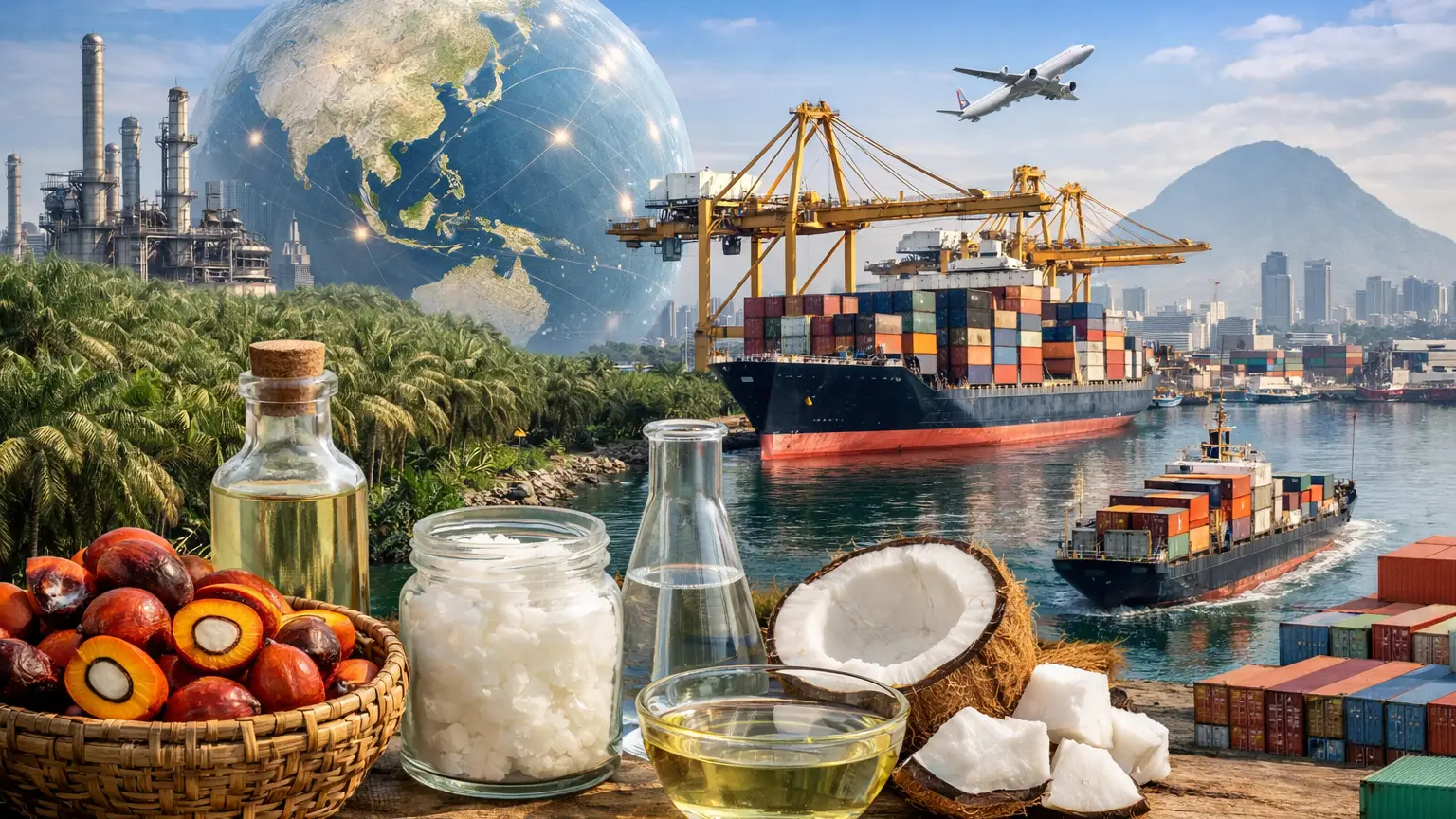
Asia's dominance in the global palm oil industry, led by Indonesia and Malaysia, provides an unparalleled foundation for the oleochemicals sector. Oleochemicals, chemicals derived from plant and animal fats, are increasingly favored over petrochemicals due to their renewable nature and biodegradability. Within this sector, palm kernel oil has become the feedstock of choice for medium-chain fatty acids like Caprylic Acid (C8) and Capric Acid (C10). The region's integrated plantations, refineries, and fractionation plants create a cost-effective and efficient value chain, granting Asian producers a formidable competitive edge.
The strategic push towards a bio-based economy by several Asian governments is a powerful tailwind. Policies promoting sustainable agriculture and green chemistry are incentivizing investment in advanced fractionation and distillation technologies. This enables the production of higher-purity, pharmaceutical-grade Caprylic Acid from palm derivatives, meeting the stringent requirements of end-use industries. As sustainability becomes a non-negotiable criterion for global brands, Asia's palm-based oleochemical infrastructure is perfectly positioned to cater to this demand, making Caprylic Acid a key beneficiary.
Spotlight on Caprylic Acid: Properties and Production
Caprylic Acid, also known as octanoic acid, is a saturated medium-chain fatty acid (MCFA). It is a colorless, oily liquid with a characteristic mildly unpleasant odor. Its chemical structure grants it unique properties: excellent solubility in organic solvents, antimicrobial and antifungal activity, and efficient metabolism in the human body. These intrinsic characteristics are what make it invaluable across a spectrum of industries. The acid is primarily obtained through the fractionation of palm kernel oil or coconut oil, where it is separated from other fatty acids like lauric and myristic acid.
The production process for high-quality Caprylic Acid involves several critical steps. After initial hydrolysis or saponification of the oil to release fatty acids, fractional distillation under vacuum is employed to isolate the C8 fraction. Further purification steps, including re-distillation and filtration, are conducted to achieve different grades. Technical grade is suitable for industrial applications like lubricants and plastics, while USP/Pharmaceutical grade, with purity often exceeding 99%, is essential for dietary supplements and medicinal uses. The ability of Asian producers to consistently deliver these specific grades is a direct result of decades of refinement in palm derivatives processing.
When compared to other MCFAs, Caprylic Acid offers a distinct balance. It has a lower melting point than capric acid (C10), making it easier to handle in liquid formulations. Its antimicrobial potency is particularly effective against yeast and fungal pathogens, which is why it is a cornerstone in certain therapeutic and preservative systems. For businesses seeking a reliable supply, partnering with a specialized distributor like chemtradeasia.com ensures access to a consistent portfolio of grades suitable for everything from food manufacturing to high-end cosmetics.
Key Demand Drivers Across Asian Industries
The demand surge for Caprylic Acid in Asia is not monolithic but is being driven by concurrent growth in several key verticals. The pharmaceutical and nutraceutical industry represents the highest-value segment. Here, Caprylic Acid is prized for its role in medium-chain triglyceride (MCT) oils, which are marketed for cognitive health, weight management, and ketogenic diets. The rising middle class, increased health consciousness, and an aging population in countries like Japan, China, and South Korea are propelling demand for these supplements, directly increasing consumption of pharmaceutical-grade C8.
Simultaneously, the personal care and cosmetics industry is a major consumer. The acid's natural antimicrobial properties make it an effective and mild preservative, aligning with the "clean beauty" trend that shuns synthetic parabens. It is also used as an emollient and in the synthesis of esters for fragrances. Furthermore, the industrial sector utilizes Caprylic Acid in the production of plastics, lubricants, and dyes. Its use as a corrosion inhibitor and a precursor for specialty chemicals is growing in tandem with regional manufacturing expansion. The compound's functionality as a natural herbicide and pesticide adjuvant is also gaining traction in Asia's vast agricultural sector, offering a greener alternative to traditional agrochemicals.
Regional Market Analysis: Hotspots and Growth Corridors
The Asian Caprylic Acid market is characterized by distinct regional dynamics. Southeast Asia, particularly Indonesia and Malaysia, stands as the production epicenter. These countries are not only the largest sources of palm kernel oil but are also rapidly moving up the value chain by expanding their oleochemical processing capacities. Domestic demand is growing, but a significant portion of production is exported to other Asian nations and globally. Thailand and the Philippines are also notable players, with investments in biorefineries strengthening their positions.
East Asia represents the largest consumption bloc. China's massive chemical, pharmaceutical, and personal care industries make it the single biggest market for Caprylic Acid in the region. Japan and South Korea, with their advanced healthcare and cosmetics sectors, demand high-purity grades, often sourcing through specialized importers and distributors. South Asia, led by India, is the fastest-growing market. India's booming nutraceutical and Ayurvedic medicine industries, coupled with government initiatives like "Make in India" for chemicals, are creating unprecedented local demand. This complex interplay between production hubs in Southeast Asia and consumption powerhouses in East and South Asia defines the market's trade flows and strategic priorities for Q1 2026.
Sourcing and Supply Chain Considerations
For businesses integrating Caprylic Acid into their processes, navigating the sourcing landscape is crucial. Key considerations include grade specification, supply consistency, and logistical reliability. Determining whether a technical, food, or pharmaceutical grade is required is the first step, as this dictates the necessary certifications and purity levels. Establishing a relationship with a supplier that has direct access to multiple production facilities, such as those in Indonesia or Malaysia, mitigates risk from regional supply disruptions.
The role of specialized chemical distributors is paramount in this context. A platform like chemtradeasia.in or chemtradeasia.co.id provides invaluable services beyond mere transaction. They offer technical support for grade selection, ensure batch-to-batch consistency through rigorous quality checks, and manage complex logistics including customs clearance and just-in-time delivery. For international buyers, these distributors act as a localized gateway to the Asian oleochemical market, providing transparency and reliability. In a market expected to be tight in Q1 2026 due to high demand, securing contracts with reputable suppliers or their authorized distributors will be a key competitive advantage.
Conclusion
The Q1 2026 outlook for the Caprylic Acid market in Asia is decidedly bullish, underpinned by the robust foundation of the region's palm derivatives industry. The convergence of health, wellness, and sustainability trends is driving unprecedented demand from pharmaceuticals, personal care, and industrial applications. As Asian economies continue to grow and consumer preferences evolve, the versatility and natural origin of Caprylic Acid ensure its place as a critical oleochemical.
Success in this dynamic market will depend on strategic foresight and robust partnerships. Understanding regional supply hotspots, specifying the correct product grade, and aligning with dependable supply chain partners like established chemical distributors are essential steps. For businesses looking to capitalize on the growth of Caprylic Acid and other oleochemicals, Asia in 2026 presents a landscape rich with opportunity, innovation, and the potential for sustainable growth.

Leave a Comment