Introduction to Canola Meal
Canola meal is one of the world's most widely traded plant-based protein feed ingredients, produced as a co-product during the extraction of oil from canola seeds. Rich in protein, amino acids, and essential minerals, it has become an important component of livestock, poultry, aquaculture, and dairy feed formulations. Its nutritional value and reliable availability have positioned it as a preferred alternative to several conventional protein meals in many international feed markets.
According to the Canola Council of Canada, modern canola meal processing has significantly improved nutrient digestibility while reducing anti-nutritional compounds, increasing its acceptance across commercial animal nutrition sectors. These improvements have expanded demand among feed formulators seeking consistent, high-quality protein ingredients.
The Growing Importance of Canola Meal in Global Feed Markets
The increasing global demand for meat, dairy, and aquaculture products continues to drive consumption of protein-rich feed ingredients. Canola meal benefits from its balanced amino acid profile and competitive pricing compared with other vegetable protein meals, making it an attractive option for feed manufacturers seeking both nutritional performance and cost efficiency.
Market analysis from the Organisation for Economic Co-operation and Development (OECD) and the Food and Agriculture Organization (FAO) indicates that global feed demand is expected to remain strong over the coming decade, supported by expanding livestock production in Asia, Latin America, and parts of Africa. This long-term trend reinforces the strategic importance of canola meal within international agricultural supply chains.
Global Canola Meal Supply Chain Overview
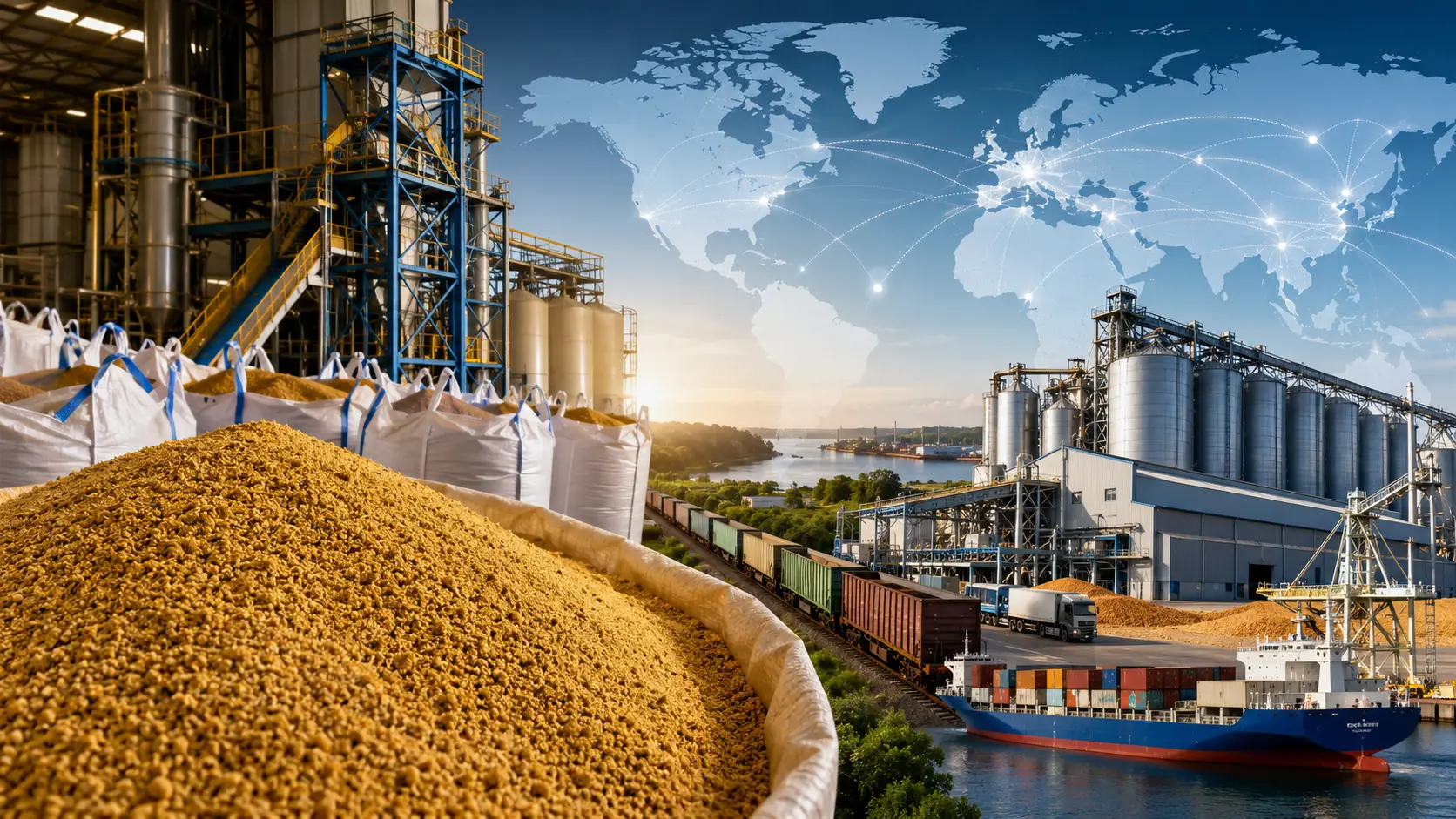
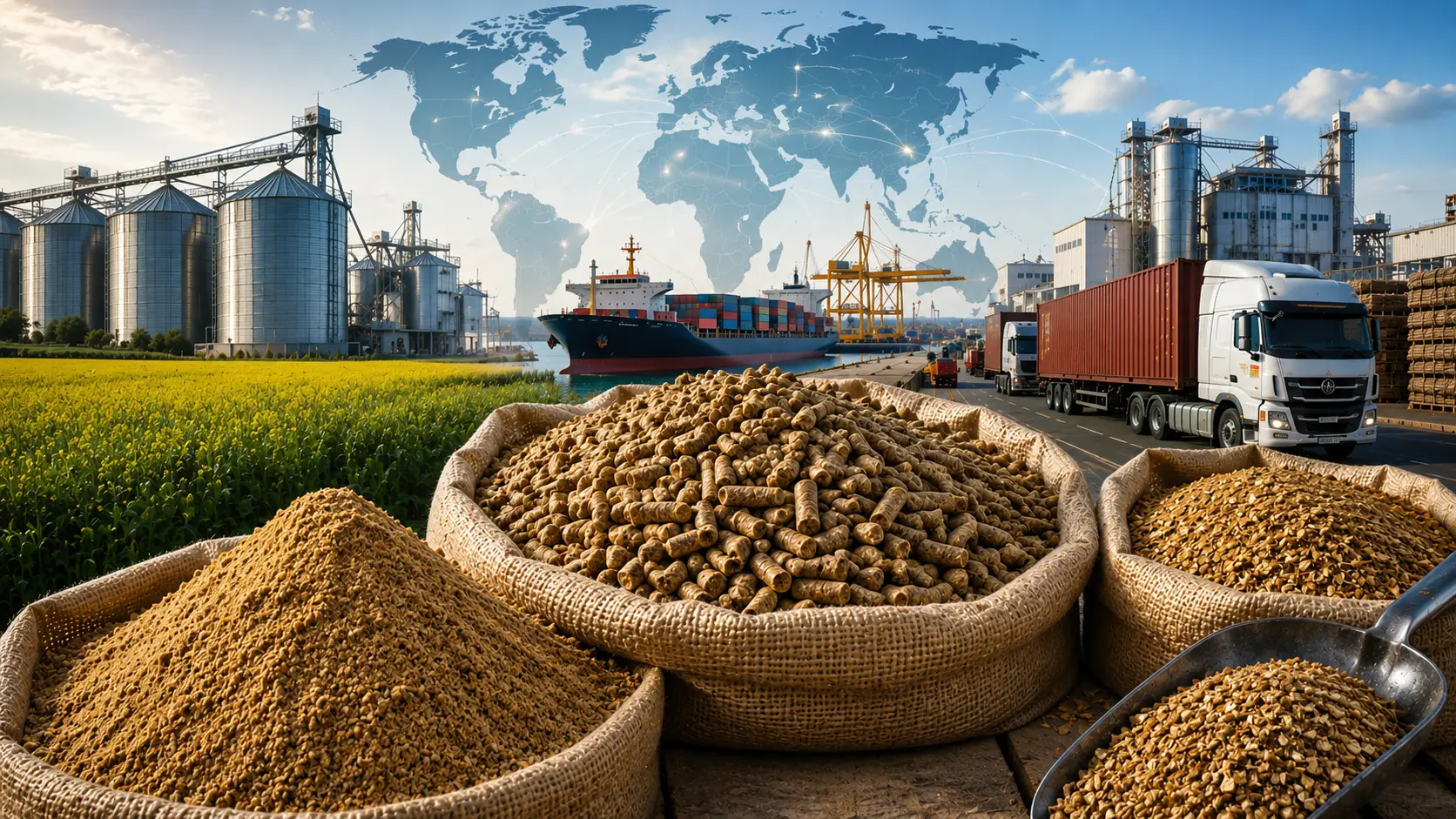
The canola meal supply chain begins with canola cultivation, followed by harvesting, seed storage, crushing, oil extraction, meal processing, quality assurance, bulk transportation, export logistics, and final distribution to feed manufacturers. Because canola meal is directly linked to vegetable oil production, its availability often reflects fluctuations in global oilseed crushing activity rather than feed demand alone.
Industry reports from the United States Department of Agriculture (USDA) highlight Canada as the world's leading producer and exporter of canola products, while Australia, the European Union, and emerging Black Sea producers also contribute significantly to international supply. Efficient crushing infrastructure and integrated logistics networks play critical roles in maintaining stable exports.
From Oilseed Processing to International Distribution
Once canola seeds arrive at crushing facilities, mechanical pressing and solvent extraction remove the oil, leaving behind high-protein meal. The finished meal undergoes quality testing for protein content, moisture, fiber levels, and contaminants before being transported via rail, truck, or bulk vessel to domestic and overseas customers.
International buyers often source canola meal through commodity traders, agricultural exporters, or specialized feed ingredient suppliers. Reliable suppliers typically provide technical specifications, certificates of analysis, phytosanitary documentation, and traceability records to support procurement decisions. According to the International Grains Council (IGC), transparent supply chains and consistent quality assurance continue to influence purchasing decisions among global feed manufacturers.
Major Producing Regions and Export Markets
Canola meal production is concentrated in regions with strong canola cultivation and advanced oilseed crushing infrastructure. Canada remains the dominant global supplier, supported by large-scale farming operations, efficient processing facilities, and well-established export logistics. Other important producing regions include Australia, the European Union, and selected Black Sea countries where oilseed production continues to expand.
According to the USDA Foreign Agricultural Service, Canada accounts for a significant share of global canola seed crushing and canola meal exports, making it a strategic origin for international feed manufacturers. The country's rail connections to Pacific and Atlantic ports allow suppliers to serve markets across Asia, Europe, and the Americas with relatively stable export capacity.
Key Export Destinations for Global Buyers
Major importing regions include China, Japan, South Korea, Vietnam, the European Union, and several Middle Eastern countries with growing livestock and poultry industries. Demand is particularly strong in markets where domestic protein meal production is insufficient to meet feed manufacturing requirements.
Export competitiveness depends on freight availability, currency movements, port efficiency, and trade policy conditions. Based on market data from the International Grains Council, buyers often compare Canadian, Australian, and European-origin canola meal based on protein specifications, shipment timing, and landed cost. This regional diversification helps procurement teams reduce dependency on a single supply origin while maintaining access to consistent feed ingredients.
Supply Chain Challenges and Procurement Risks
Although the global canola meal trade is well established, procurement teams must manage several supply chain risks that can affect availability, pricing, and delivery schedules. Weather conditions in major producing regions can influence canola seed yields, while transportation disruptions may create delays in export shipments.
The FAO has noted that agricultural commodity supply chains remain sensitive to climate variability, logistics bottlenecks, and geopolitical developments. For canola meal buyers, these factors can result in short-term price volatility and shifting supplier availability.
Managing Price and Quality Risks
Procurement teams typically evaluate protein content, moisture levels, fiber composition, contamination risk, and shipment reliability before finalizing contracts. Because canola meal is used in commercial feed formulations, consistent nutritional specifications are essential for maintaining product performance.
Long-term sourcing agreements, diversified supplier networks, and pre-shipment quality verification can help reduce procurement risk. According to industry guidance from the Canola Council of Canada, buyers should also review storage conditions, traceability documentation, and compliance with destination-country import requirements when purchasing bulk canola meal.
Buyer Intent and Procurement Considerations
Canola meal is primarily purchased by animal feed manufacturers, poultry producers, dairy operations, aquaculture feed companies, livestock integrators, agricultural distributors, and commodity traders. These buyers require reliable access to bulk volumes that meet specific nutritional and regulatory standards.
Procurement teams compare suppliers based on product consistency, available shipment quantities, origin, pricing structure, lead time, packaging options, and export documentation. For international buyers, the ability to secure stable supply throughout the year is often as important as the initial purchase price.
How B2B Buyers Evaluate Suppliers
Before placing orders, buyers commonly request technical specifications, certificates of analysis, moisture and protein guarantees, phytosanitary certificates, and details regarding transportation arrangements. Bulk buyers may also evaluate whether suppliers can support containerized shipments, breakbulk cargo, or vessel-scale deliveries.
A well-structured product page helps buyers assess sourcing suitability more efficiently by providing clear information on specifications, applications, packaging, origin, and availability. This supports faster procurement decisions for feed manufacturers, distributors, and industrial buyers seeking dependable canola meal supply partners.
Future Market Outlook and Strategic Sourcing
The global outlook for canola meal remains positive as livestock production, aquaculture, and commercial feed manufacturing continue to expand. Rising demand for sustainable, plant-based protein ingredients is encouraging feed producers to incorporate canola meal into balanced feed formulations. At the same time, investments in oilseed processing facilities and logistics infrastructure are expected to improve supply reliability across major exporting countries.
According to the OECD-FAO Agricultural Outlook, global demand for animal protein is projected to support continued growth in feed consumption over the next decade. This trend is expected to strengthen the role of canola meal as a competitive protein source for international feed manufacturers and agricultural supply chains.
Strategic Sourcing for Long-Term Procurement
To maintain stable operations, procurement teams are increasingly adopting diversified sourcing strategies that include multiple qualified suppliers and flexible purchasing contracts. Monitoring harvest forecasts, crushing capacity, freight costs, and international trade policies enables buyers to anticipate market changes and minimize supply disruptions.
Digital B2B marketplaces are also simplifying procurement by connecting buyers with verified suppliers, offering transparent product specifications, and streamlining global trade communication. Companies that combine reliable supplier relationships with proactive market intelligence are better positioned to secure consistent canola meal supplies while managing procurement costs and quality expectations.
Conclusion
Canola meal has become a key protein ingredient in the global animal feed industry due to its nutritional value, consistent availability, and cost competitiveness. Its supply chain is supported by leading canola-producing regions, efficient oilseed processing facilities, and well-developed international logistics networks that serve livestock, poultry, dairy, and aquaculture markets worldwide.
As global feed demand continues to grow, procurement teams must evaluate suppliers based on quality consistency, supply reliability, regulatory compliance, and logistical capabilities. Staying informed about market developments and sourcing from experienced partners can help reduce procurement risks while ensuring a stable supply of high-quality canola meal.
For businesses seeking dependable sourcing solutions, Tradeasia International, Chemtradeasia, and Tradechem Marketplace provide access to a global supplier network, technical product information, and international trade expertise to support efficient procurement and long-term supply chain partnerships.
Sources
https://www.canolacouncil.org
https://www.fas.usda.gov
Leave a Comment