Broken Rice Supply Chain Outlook: Global Demand and B2B Sourcing Opportunities
Introduction to Broken Rice as a Global Agricultural Commodity
Understanding Broken Rice and Its Commercial Importance
Broken rice is a valuable agricultural commodity generated during the milling process of paddy rice. Although broken grains are separated from premium whole rice grades, they retain significant nutritional value and functional properties, making them an important raw material for multiple industries. The product consists of rice kernels that fracture during harvesting, drying, handling, or milling, creating different grades suitable for food processing, animal nutrition, and industrial applications.
According to technical information from the Food and Agriculture Organization of the United Nations (FAO), rice remains one of the world’s most important staple crops, with global production exceeding hundreds of millions of tonnes annually. The scale of rice processing creates a consistent supply stream of broken rice, supporting international trade opportunities for processors, distributors, and industrial users.
Broken rice has evolved from being considered a secondary milling output into a commercially strategic ingredient. Manufacturers increasingly evaluate broken rice based on starch content, particle size, moisture level, cleanliness, and consistency, especially when sourcing for industrial applications where cost efficiency and processing performance are critical.
For B2B buyers, broken rice represents a competitive sourcing opportunity because it provides access to rice-based functionality at a lower cost compared with premium whole grain rice. Food manufacturers, feed producers, and agricultural traders often compare suppliers based on origin, milling capability, export reliability, and documentation standards.
Role of Broken Rice in International Agricultural Trade
The international broken rice market is closely connected with global rice production centers, particularly regions with large-scale milling industries. Countries across Asia, including major rice-producing economies, contribute significantly to broken rice availability through extensive processing infrastructure. Export networks allow buyers in different regions to secure supplies for food, livestock, and industrial purposes.
Market analysis from the United States Department of Agriculture highlights that global rice trade continues to be influenced by production conditions, consumer demand, weather patterns, and government policies. These factors directly affect the availability and pricing environment for rice-derived commodities such as broken rice.
The commercial value of broken rice is also linked to sustainability trends in agriculture. Utilizing broken grains helps reduce processing waste while improving resource efficiency throughout the rice value chain. This aligns with increasing interest among manufacturers in maximizing agricultural outputs and improving supply chain sustainability.
As global industries seek alternative raw materials with predictable availability, broken rice continues to attract attention from buyers looking for flexible agricultural inputs. Its combination of affordability, availability, and processing versatility makes it relevant for multiple industrial supply chains.
Broken Rice Supply Chain Dynamics and Market Demand Trends
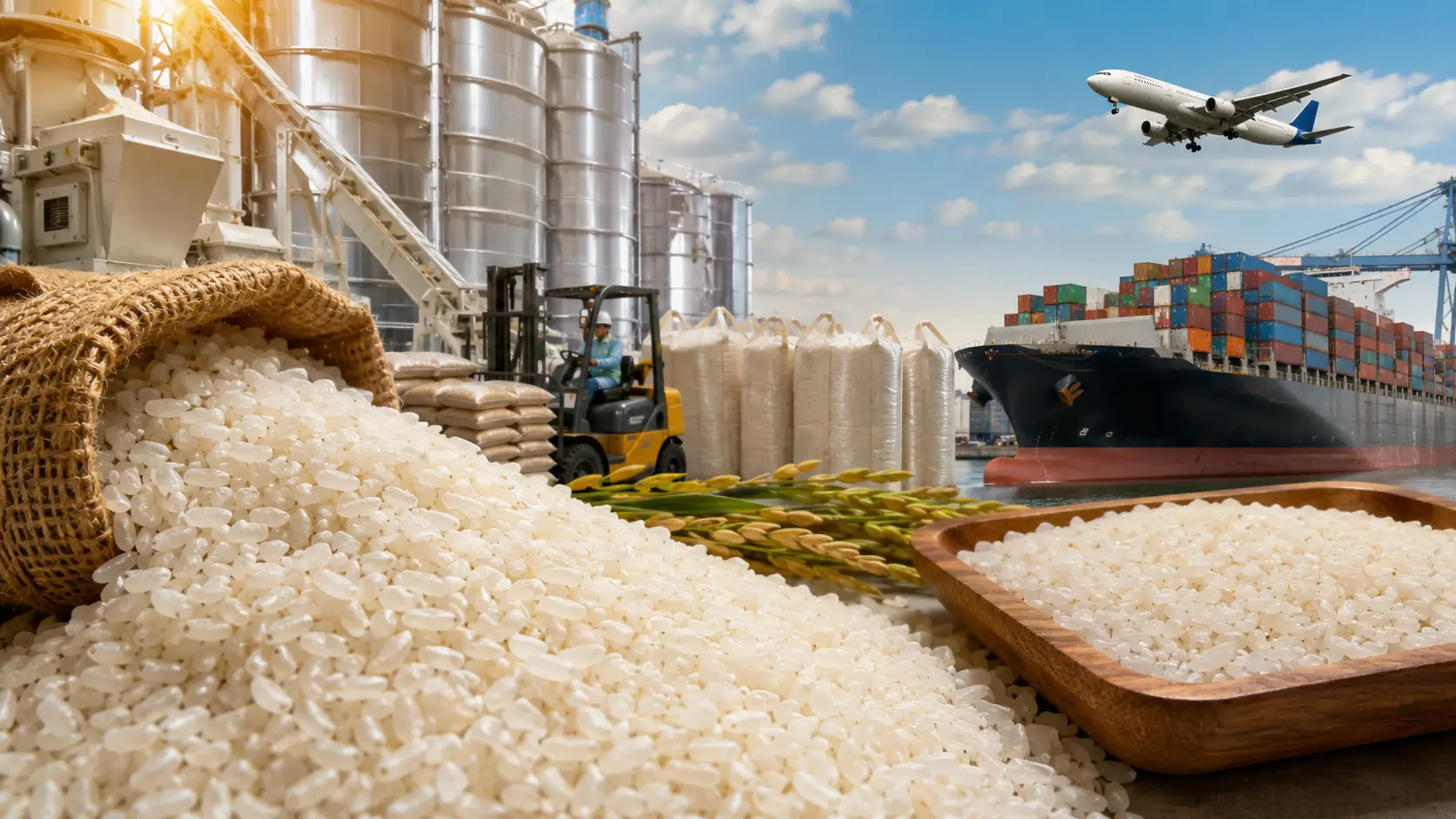
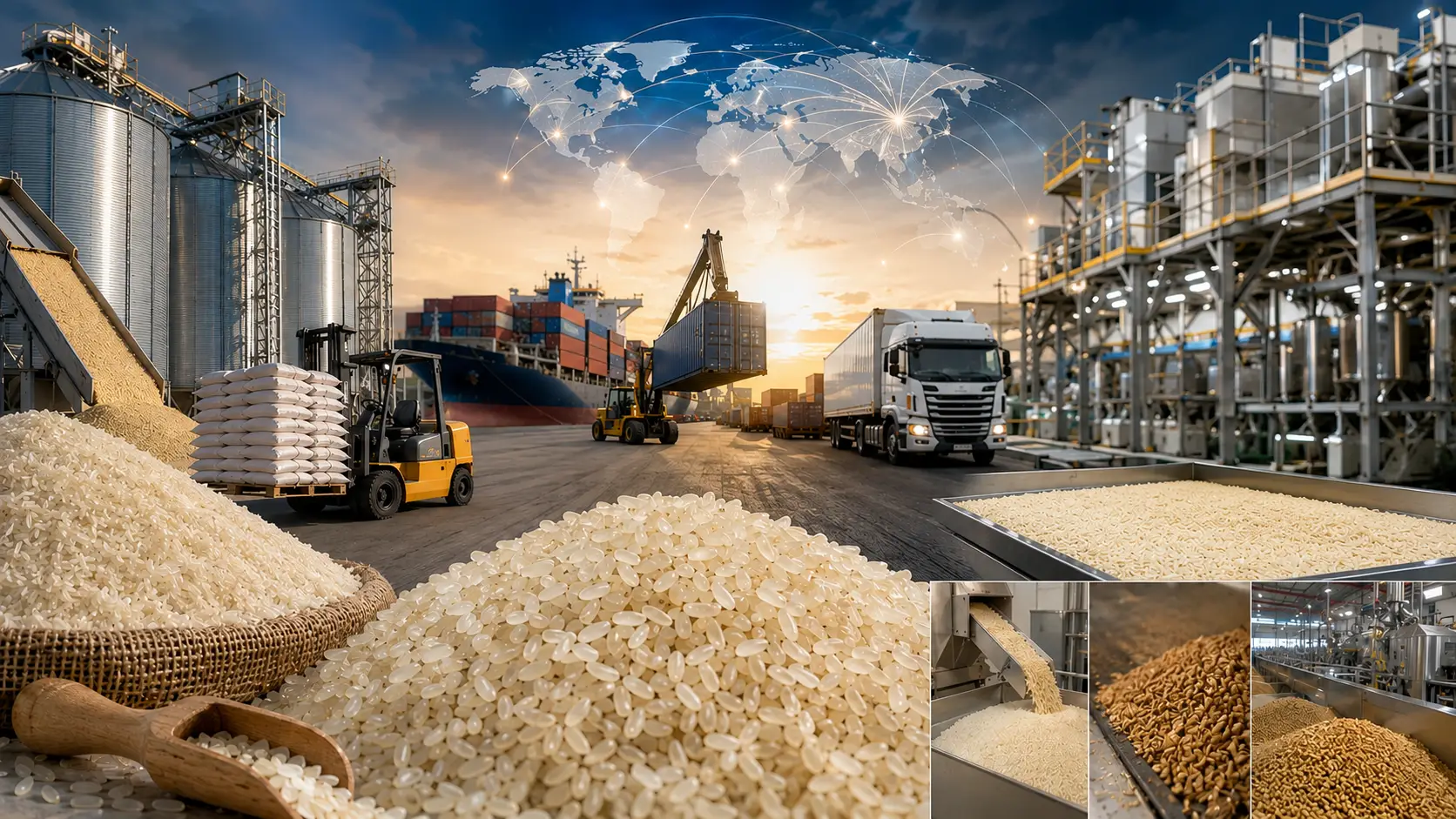
The broken rice supply chain begins with rice cultivation, followed by harvesting, drying, milling, sorting, and export distribution. During milling operations, a portion of rice kernels naturally breaks due to mechanical processing. These broken grains are collected, graded, and supplied to different markets according to quality specifications and end-use requirements.
According to market information published by the International Rice Research Institute (IRRI), improvements in rice processing technologies and agricultural productivity continue to influence global rice value chains. Modern milling facilities increasingly focus on improving yield efficiency, which supports consistent availability of broken rice for commercial applications.
International buyers typically evaluate supply chain reliability through several factors, including production capacity, export experience, quality control procedures, and logistics capabilities. Large-volume users often prefer suppliers that can provide stable monthly shipments and consistent product specifications rather than relying only on spot market availability.
The growth of agricultural commodity marketplaces has also improved accessibility for international buyers. Digital B2B platforms allow food processors, feed manufacturers, and distributors to identify suppliers, compare specifications, and develop long-term sourcing relationships.
Market Demand Drivers and Price Considerations
Demand for broken rice is influenced by population growth, expanding food processing industries, increasing livestock production, and demand for economical carbohydrate sources. As manufacturers search for cost-effective raw materials, broken rice provides an alternative ingredient that can support competitive production economics.
Industrial Applications Driving Broken Rice Consumption
Broken rice has become an important raw material for food manufacturers because of its starch content, neutral flavor profile, and processing flexibility. Unlike whole rice products that are often directed toward direct consumption markets, broken rice is commonly utilized as an ingredient in processed foods where appearance is less important than functionality and cost efficiency.
Food producers use broken rice in applications such as rice flour production, breakfast cereals, snacks, brewing ingredients, starch-based products, and traditional rice-based foods. Through milling and grinding processes, broken rice can be converted into fine particles suitable for manufacturers requiring consistent carbohydrate sources.
According to technical resources from the International Rice Research Institute, rice-based ingredients continue to support food innovation due to their nutritional characteristics and adaptability across different processing systems. The growing demand for gluten-free ingredients has also increased interest in rice-derived raw materials, including broken rice-based flour.
For industrial buyers, sourcing broken rice for food applications requires attention to specifications such as moisture content, purity level, foreign matter control, grain size distribution, and compliance with food safety requirements. These factors influence processing efficiency and final product quality.
Animal Feed and Livestock Nutrition Applications
The animal feed industry represents one of the largest commercial applications for broken rice. Due to its high carbohydrate content and digestible energy value, broken rice is used as an economical feed ingredient for poultry, aquaculture, and livestock formulations.
Feed manufacturers often incorporate broken rice as a replacement or alternative energy source compared with other cereal-based ingredients. Its availability from rice milling operations makes it attractive for feed producers seeking competitive raw material costs while maintaining nutritional performance.
Research from agricultural institutions, including the United States Department of Agriculture, highlights the importance of cereal grains in animal nutrition systems, where energy-rich ingredients remain essential components of feed formulation strategies.
For feed buyers, supplier selection depends on consistent supply volume, nutritional analysis, contamination control, and logistics capability. Large feed mills typically require suppliers capable of supporting continuous production schedules and meeting technical specifications across multiple shipments.
Key Buyers and Procurement Considerations in Global Trade
The buyer landscape for broken rice includes food manufacturers, animal feed producers, agricultural commodity traders, distributors, and industrial processors. Each buyer segment evaluates the product according to specific operational requirements, making supplier understanding of end-use applications essential.
Food ingredient companies generally prioritize food-grade quality, traceability, and processing consistency. They often require detailed product documentation, including quality specifications, certificates, and origin information before establishing purchasing agreements.
Animal feed companies typically focus on nutritional value, price competitiveness, and supply reliability. Because feed production operates at large volumes, procurement teams often seek suppliers capable of maintaining consistent monthly deliveries and flexible shipment arrangements.
Commodity traders and distributors play an important role in connecting rice-producing regions with international markets. These companies evaluate supplier networks, export documentation capabilities, container availability, and regional demand patterns to optimize trading opportunities.
Factors Evaluated During Supplier Selection
When purchasing broken rice internationally, buyers consider multiple commercial and technical factors before selecting suppliers. Product quality remains one of the primary evaluation criteria, particularly for industries where raw material consistency affects manufacturing performance.
According to agricultural commodity trading practices, procurement teams commonly assess parameters such as broken rice percentage, moisture level, color, cleanliness, packaging options, and compliance with destination market requirements. These specifications help buyers reduce operational risks and maintain predictable production outcomes.
Supply chain reliability is another major consideration. International buyers increasingly prefer suppliers with established export experience, transparent communication, and strong logistics coordination. Reliable shipment planning helps manufacturers avoid production interruptions caused by raw material shortages.
Digital B2B marketplaces support this sourcing process by providing buyers with access to supplier information, product specifications, and commercial opportunities. Platforms connecting manufacturers, traders, and distributors improve transparency while helping companies identify suitable supply partners.
Global Sourcing Strategies for Broken Rice Suppliers and Trader
Successful broken rice sourcing depends on developing long-term relationships between buyers and suppliers. Instead of focusing only on short-term pricing, procurement teams increasingly evaluate suppliers based on production capability, quality management, export experience, and responsiveness.
Major agricultural commodity buyers often prefer suppliers that can provide stable volumes throughout the year. Seasonal production variations, transportation challenges, and market fluctuations make supplier reliability a key factor in maintaining uninterrupted operations.
Market intelligence from organizations such as the Food and Agriculture Organization of the United Nations shows that agricultural commodity markets are influenced by global production trends, trade policies, and supply chain conditions. Understanding these factors allows companies to make more informed purchasing decisions.
For suppliers and traders, expanding into international markets requires strong documentation practices, compliance awareness, and efficient logistics management. Companies that demonstrate transparency and consistency are better positioned to attract industrial buyers.
Role of B2B Platforms in Broken Rice Procurement
B2B marketplaces have transformed agricultural sourcing by connecting international buyers with qualified suppliers. For products such as broken rice, digital platforms allow procurement teams to evaluate suppliers beyond traditional trading networks.
Buyers can use online sourcing channels to compare product grades, identify exporters, request quotations, and evaluate supply capabilities. This improves purchasing efficiency while reducing the time required to discover new commercial partners.
For manufacturers and distributors, marketplace visibility creates opportunities to reach customers across different regions and industries. Suppliers can present product information, technical details, and commercial capabilities to buyers searching for reliable agricultural raw materials.
As global industries continue to optimize procurement strategies, online sourcing channels are expected to become increasingly important for agricultural commodity transactions. Broken rice suppliers that combine competitive products with strong digital presence can better capture emerging market opportunities.
Industry reports from agricultural commodity analysts indicate that rice-derived products continue to experience changing price patterns due to harvest conditions, transportation costs, energy prices, and regional trade policies. Broken rice pricing generally follows broader rice market movements while also depending on quality grade, origin, and application suitability.
Feed producers are among the significant buyers because broken rice provides digestible carbohydrates and energy for animal nutrition formulations. Meanwhile, food manufacturers utilize specific grades for products where texture, starch functionality, or processing performance is important.
For procurement teams, understanding these market factors is essential when planning purchases. Comparing supplier capabilities, shipment flexibility, certification availability, and product consistency allows buyers to manage cost risks while maintaining production reliability.
Future Market Outlook and Commercial Opportunities for Broken Rice
The future demand outlook for broken rice is closely connected with global trends in food security, agricultural efficiency, animal nutrition, and sustainable resource utilization. As rice remains a major agricultural commodity worldwide, the continuous expansion of rice milling activities is expected to maintain the availability of broken rice as a commercially valuable by-product.
According to agricultural outlook data from the Food and Agriculture Organization of the United Nations (FAO), global food systems are increasingly focused on improving production efficiency and reducing losses throughout agricultural supply chains. This trend supports greater utilization of secondary agricultural outputs, including broken rice, as industries seek cost-effective and sustainable raw materials.
Food manufacturers are expected to continue exploring rice-based ingredients due to changing consumer preferences, including demand for gluten-free alternatives and plant-based food solutions. Broken rice provides an economical foundation for producing rice flour, starch-based ingredients, and processed food products.
At the same time, livestock and aquaculture industries continue searching for reliable energy sources for feed formulations. This creates ongoing opportunities for suppliers that can deliver consistent broken rice quality, competitive pricing, and dependable export capabilities.
Commercial Opportunities for Suppliers and Industrial Buyers
For suppliers, traders, and distributors, broken rice presents opportunities across multiple international markets. Companies with strong milling networks and export infrastructure can develop business relationships with food processors, feed manufacturers, and agricultural distributors seeking alternative raw material sources.
Buyers increasingly require more than product availability when selecting suppliers. Procurement teams evaluate technical documentation, supply capacity, logistics performance, and communication reliability before establishing long-term purchasing agreements.
Marketplaces such as Tradeasia / Chemtradeasia / Tradechem Marketplace provide a sourcing environment where industrial buyers can identify agricultural commodity suppliers, compare product offerings, and develop international supply relationships. By improving supplier visibility and simplifying sourcing processes, B2B platforms help connect global demand with production regions.
For companies purchasing broken rice, selecting the right supply partner can improve cost management, production stability, and supply chain resilience. Reliable sourcing strategies allow manufacturers to respond more effectively to market changes while maintaining operational efficiency.
Buyer Intent: Understanding Broken Rice Procurement Needs
Broken rice attracts buyers from several commercial sectors, including food ingredient manufacturers, animal feed producers, rice processors, agricultural traders, and distributors. Each buyer group approaches sourcing with different priorities based on their production requirements and end-use markets.
Food processing companies typically purchase broken rice for applications requiring rice-derived starch, flour, or carbohydrate functionality. Feed manufacturers purchase larger quantities because broken rice provides an economical energy source for livestock and aquaculture formulations.
Procurement teams evaluating suppliers usually focus on product consistency, supply volume, pricing competitiveness, shipment reliability, and compliance documentation. Buyers compare multiple suppliers because differences in quality specifications and logistics capability can directly influence manufacturing performance.
For B2B buyers, a detailed product page supports sourcing decisions by providing essential information about product applications, supplier capabilities, technical specifications, and commercial availability. This helps purchasing teams identify suitable partners and reduce uncertainty during supplier evaluation.
How Sourcing Platforms Support Buyer Decisions
Digital sourcing platforms provide valuable tools for companies searching for agricultural commodities such as broken rice. Buyers can review supplier information, understand product applications, and connect with potential partners without depending solely on traditional trading channels.
For international procurement teams, transparency is increasingly important. Buyers prefer suppliers that provide clear product information, consistent communication, and reliable commercial support throughout the purchasing process.
A strong marketplace presence enables suppliers to reach industries beyond their domestic markets. By connecting exporters, manufacturers, and distributors, B2B platforms contribute to more efficient agricultural supply chains.
As global trade becomes increasingly interconnected, broken rice buyers will continue seeking reliable sourcing channels that provide competitive products and trustworthy supplier relationships.
Conclusion: Strengthening Global Broken Rice Supply Opportunities
Broken rice has developed from a secondary rice milling output into a valuable industrial raw material supporting food production, animal nutrition, and agricultural commodity trade. Its cost efficiency, availability, and functional properties make it an attractive sourcing option for businesses seeking dependable carbohydrate-based ingredients.
Global market trends indicate continued opportunities for broken rice suppliers as industries prioritize sustainable resource utilization, efficient production systems, and alternative raw material sourcing. Buyers increasingly require suppliers that can provide consistent quality, reliable logistics, and transparent commercial processes.
For manufacturers, traders, and procurement teams, understanding broken rice supply chains is essential for building competitive sourcing strategies. Evaluating supplier capabilities, product specifications, and market conditions helps companies secure stable supply while managing operational costs.
Tradeasia International supports global sourcing connections by helping businesses access reliable suppliers and commercial opportunities across international markets. Through its B2B marketplace ecosystem, companies can explore agricultural commodity solutions and develop supply partnerships aligned with their industrial requirements.
Sources
https://www.fao.org
https://www.irri.org
https://www.fas.usda.gov
Leave a Comment