Understanding Blood Meal and Its Commercial Importance
What Is Blood Meal?
Blood meal is a processed animal-derived ingredient produced by drying and treating animal blood collected from approved livestock processing operations. Through controlled processing, the material becomes a concentrated source of organic nitrogen and valuable nutrients, making it relevant for agricultural and industrial applications. Its role in resource recovery and circular economy practices has increased interest among businesses looking for sustainable raw materials.
According to technical information from the United States Department of Agriculture, animal by-products can be transformed into useful agricultural inputs when properly processed and managed under appropriate safety standards. This supports the broader industrial movement toward converting biological resources into commercially valuable products.
Commercial Importance in Global Supply Chains
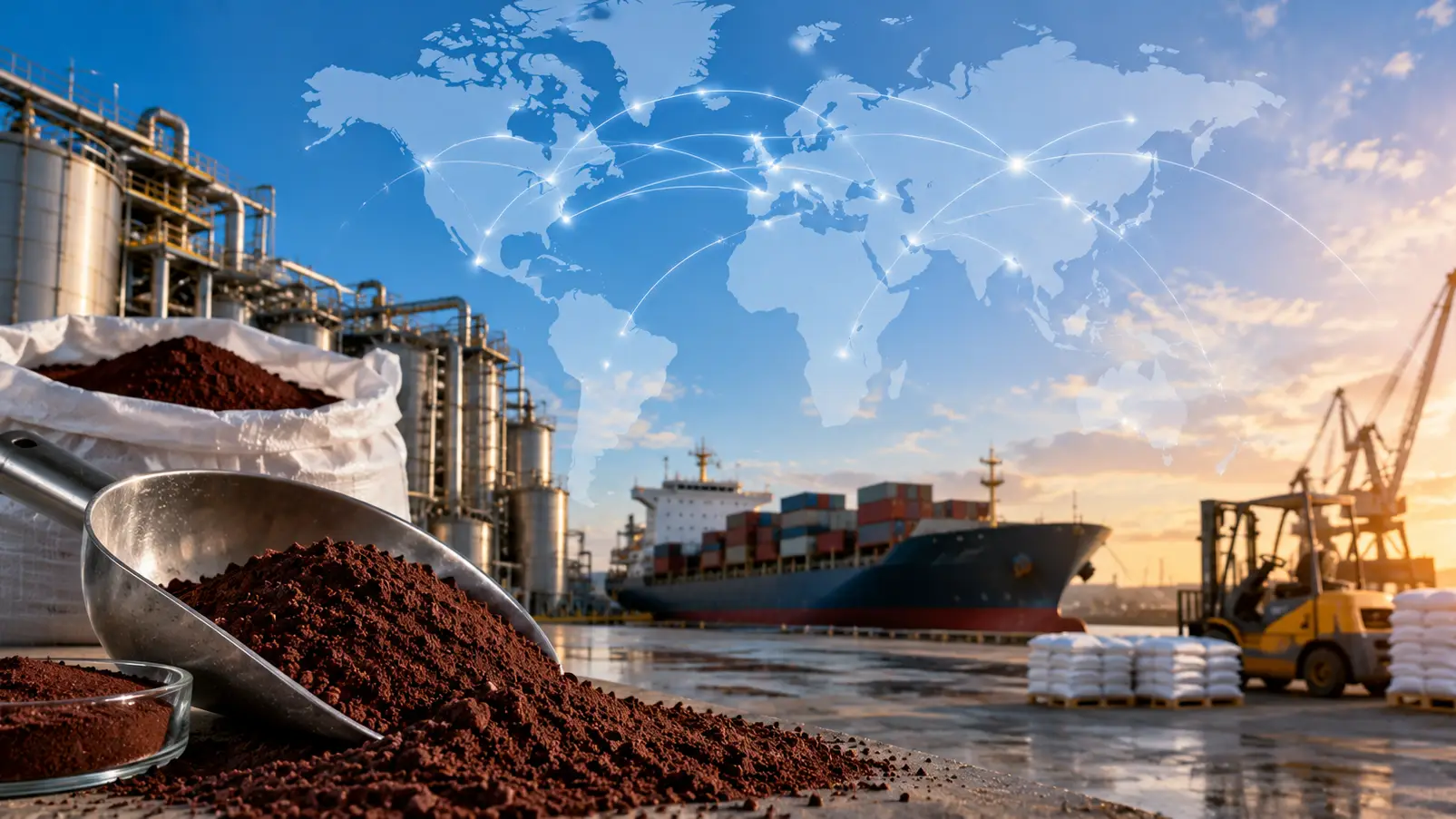
The commercial value of blood meal comes from its ability to serve multiple industries that require nutrient-rich biological materials. Agricultural producers, fertilizer manufacturers, and ingredient distributors evaluate blood meal based on nutrient consistency, processing quality, availability, and supply reliability.
For companies sourcing industrial quantities, a stable supply chain is essential because production volumes depend on livestock processing networks and regional availability. Buyers commonly compare suppliers based on documentation, specifications, logistics capability, and consistency of product supply.
The increasing focus on sustainable agriculture has strengthened interest in organic nutrient sources. Organizations such as the Food and Agriculture Organization of the United Nations highlight the importance of sustainable agricultural practices, including efficient nutrient management approaches that support long-term soil productivity.
For international buyers seeking a dependable supply option, Tradeasia provides access to Blood Meal product page, supporting procurement teams that require product information and supplier coordination for industrial applications.
Industrial Applications Driving Blood Meal Demand
Blood Meal as an Agricultural Fertilizer Ingredient
One of the most established uses of blood meal is as an organic fertilizer ingredient. Its naturally high nitrogen content makes it suitable for fertilizer formulations designed to support plant growth and improve soil nutrient availability.
Manufacturers of organic fertilizer products often consider blood meal as a raw material when developing blends for commercial agriculture, horticulture, and specialty crop production. Demand is influenced by farming practices, consumer interest in organic cultivation, and regulations surrounding sustainable agricultural inputs.
Research from agricultural institutions has examined organic nutrient sources as alternatives or complements to synthetic fertilizers. Studies published through scientific agricultural databases such as the National Agricultural Library demonstrate continued interest in improving nutrient efficiency through alternative fertilizer materials.
Applications in Animal Nutrition and Industrial Ingredients
Blood meal is also recognized as a high-protein animal-derived ingredient used in certain animal nutrition applications. Feed manufacturers evaluate animal-based protein sources according to nutritional profile, processing standards, regulatory compliance, and suitability for specific formulations.
The animal feed industry continues to seek reliable ingredient sources as global demand for livestock production increases. According to industry analysis from the International Feed Industry Federation, efficient feed ingredient supply chains remain important for supporting global food production systems.
For industrial buyers, understanding application requirements is critical because blood meal specifications can vary depending on intended use. Feed producers, fertilizer companies, and distributors may require different documentation and quality parameters during supplier evaluation.
Market Trends Shaping Global Blood Meal Supply Chains
Growing Demand for Sustainable Resource Utilization
A major factor influencing blood meal demand is the increasing adoption of circular economy principles. Industries are seeking ways to maximize the value of agricultural and livestock processing by-products while reducing waste generation.
Blood meal represents an example of industrial resource recovery because it converts a biological processing output into a commercially useful material. This aligns with sustainability strategies adopted across agriculture, food production, and industrial manufacturing sectors.
Reports from organizations including the European Environment Agency emphasize the importance of resource efficiency and circular approaches in reducing environmental impacts across production systems.
Regional Supply and International Trade Considerations
The global availability of blood meal is closely connected to livestock production patterns, slaughterhouse infrastructure, processing capabilities, and international trade networks. Regions with strong livestock industries often become important supply areas for animal-derived industrial materials.
For importers and distributors, market access depends on supplier reliability, export documentation, transportation conditions, and compliance with destination-country requirements. These factors make professional sourcing channels valuable for businesses managing international procurement.
Companies operating in fertilizer, agricultural input distribution, and industrial ingredient trading increasingly require suppliers capable of supporting consistent commercial volumes rather than occasional transactions.
Key Buyers and Procurement Considerations for Blood Meal
Who Buys Blood Meal?
The main buyers of blood meal include fertilizer manufacturers, agricultural input companies, animal feed producers, ingredient distributors, and international commodity traders. These organizations typically purchase based on production requirements rather than individual consumer demand.
Fertilizer companies may source blood meal as a nitrogen-rich component for organic fertilizer products, while feed manufacturers may evaluate it as a protein ingredient depending on formulation requirements and regulations in their markets.
Procurement teams usually assess supplier capabilities through technical specifications, product documentation, production capacity, quality assurance systems, and delivery reliability.
What Procurement Teams Evaluate Before Purchasing
Industrial buyers compare suppliers based on several commercial factors, including product consistency, packaging options, minimum order quantities, transportation arrangements, and compliance documentation.
A reliable sourcing partner helps buyers reduce supply uncertainty by connecting them with qualified suppliers and providing clearer product information. For companies entering new markets, supplier transparency is especially important when evaluating unfamiliar sources.
Tradeasia’s Blood Meal sourcing page provides buyers with a dedicated product reference point for exploring supply options, specifications, and commercial requirements.
Sourcing Blood Meal Through Reliable B2B Marketplaces
Advantages of Professional Chemical and Ingredient Marketplaces
B2B marketplaces support industrial buyers by simplifying supplier discovery, improving communication efficiency, and helping procurement teams compare available sourcing options. For specialized products such as blood meal, marketplace platforms can help connect manufacturers, traders, and distributors across different regions.
A professional marketplace approach is valuable because industrial procurement requires more than product availability. Buyers need confidence in supplier capability, documentation, commercial terms, and long-term supply potential.
Marketplaces serving industrial ingredients also help businesses streamline sourcing processes by providing structured product information and supplier communication channels.
Building Efficient Supply Partnerships
Successful blood meal sourcing depends on developing relationships with suppliers that understand industry requirements. Buyers often prioritize partners who can support repeat orders, consistent quality, and international logistics coordination.
As demand for sustainable agricultural materials continues to develop, businesses that establish reliable supply relationships can improve operational stability and respond more effectively to market changes.
Tradeasia / Chemtradeasia / Tradechem Marketplace positions blood meal as part of a broader industrial sourcing network, helping buyers identify supply opportunities across agriculture and ingredient-related industries.
Future Outlook for Blood Meal in Sustainable Industries
Long-Term Demand Drivers
Future demand for blood meal is expected to remain connected to several industrial trends, including sustainable agriculture, organic fertilizer adoption, livestock processing efficiency, and demand for alternative nutrient sources.
Agricultural producers continue to explore methods for improving soil management while reducing dependency on limited resources. This creates opportunities for suppliers capable of providing consistent biological-based inputs.
Industry development will depend on factors such as regulatory acceptance, production capacity, transportation efficiency, and changing preferences among agricultural and industrial buyers.
Commercial Opportunities for Suppliers and Buyers
For manufacturers, distributors, and trading companies, blood meal represents an opportunity within the expanding market for sustainable industrial materials. Suppliers that maintain quality standards and reliable export capabilities can better serve international procurement demand.
Buyers benefit from working with sourcing platforms that provide product visibility, supplier connections, and commercial support throughout the purchasing process.
From fertilizer producers to ingredient distributors, businesses exploring blood meal procurement can use Blood Meal supplier information as a starting point for evaluating supply opportunities and building efficient sourcing strategies.
Sources
- United States Department of Agriculture (USDA) – Animal By-Products and Agricultural Resource Management
https://www.usda.gov/
- Food and Agriculture Organization of the United Nations (FAO) – Sustainable Agriculture and Nutrient Management
https://www.fao.org/
- International Feed Industry Federation (IFIF) – Global Feed Industry Information and Supply Chain Development
https://ifif.org/
Leave a Comment