How Betaine Anhydrous Applications Shape Global Feed Industry Buying Decisions
Introduction to Betaine Anhydrous and Its Industrial Market Role
Understanding Betaine Anhydrous as a Functional Feed Ingredient
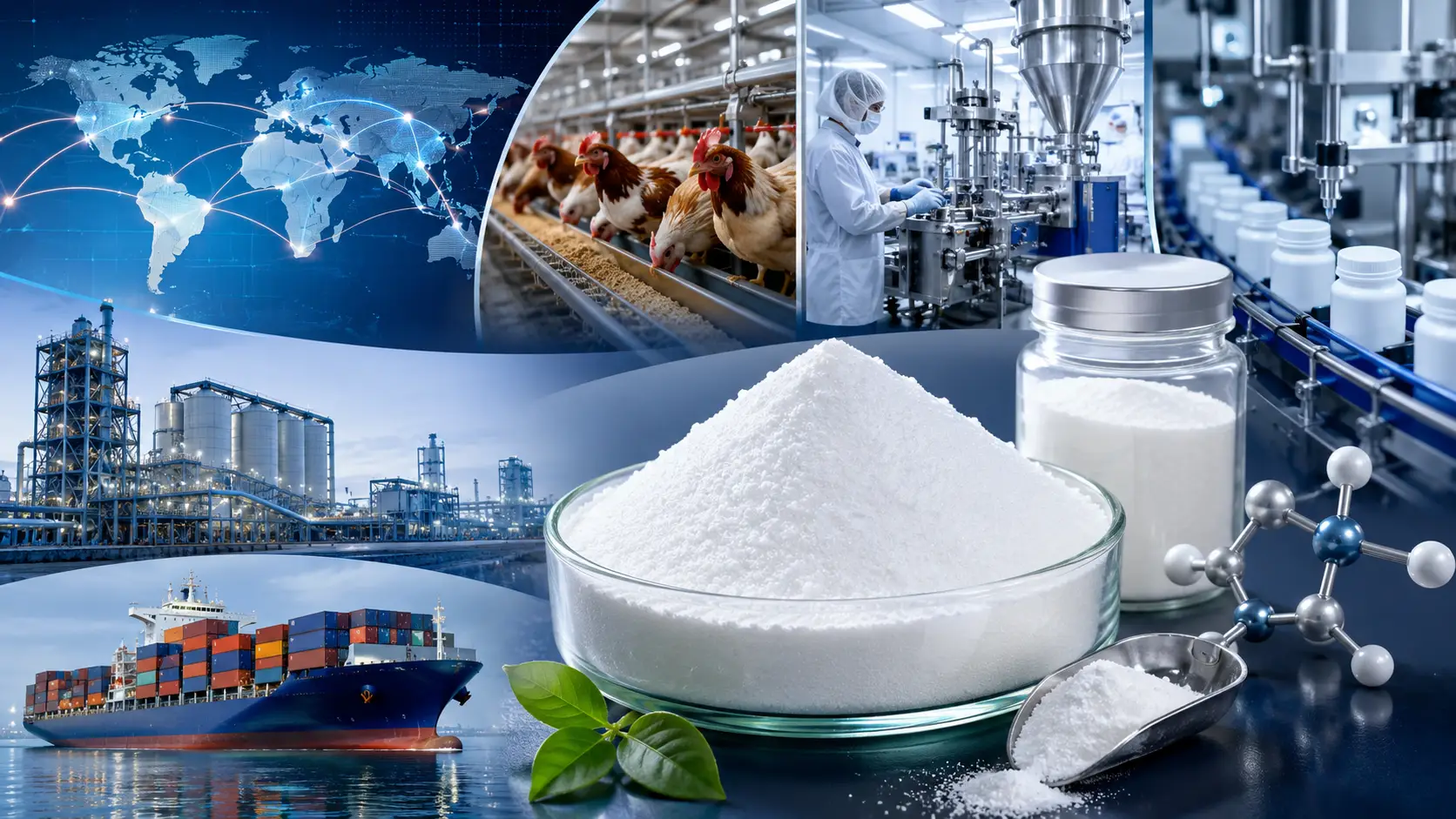
Betaine anhydrous has become an important specialty ingredient within the global animal nutrition industry due to its role as an osmolyte, methyl donor, and nutritional enhancer. Derived primarily from natural sources such as sugar beet processing streams or produced through chemical synthesis, betaine anhydrous is valued by feed manufacturers seeking functional additives that support animal performance and feed efficiency.
The increasing focus on optimized livestock production has encouraged feed producers, premix companies, and nutrition specialists to evaluate ingredients beyond basic nutritional value. Betaine anhydrous provides manufacturers with an ingredient that can support formulation strategies while addressing changing requirements from poultry, swine, aquaculture, and other animal production sectors.
Industrial Importance in Modern Feed Formulation
The commercial importance of betaine anhydrous is closely connected with the expansion of intensive animal farming systems. Producers worldwide are searching for feed solutions that improve production efficiency, especially as feed costs represent a significant portion of livestock production expenses. This has strengthened demand for functional additives capable of improving nutrient utilization.
The global betaine market continues to develop as animal feed companies increasingly adopt science-based nutrition programs. Market analysts estimate that specialty feed additives, including betaine-based products, are experiencing steady growth with demand supported by expanding meat consumption, aquaculture development, and improved livestock management practices.
Market Position Within the Feed Additive Industry
Betaine anhydrous occupies a specialized position among feed additives because it offers multiple nutritional functions within a single ingredient. Unlike traditional nutritional components, betaine contributes to cellular water balance regulation and methyl group metabolism, making it attractive for advanced feed formulation systems.
For B2B buyers, the product represents an opportunity to enhance formulation flexibility while maintaining consistent nutritional performance. Feed producers and distributors evaluate betaine anhydrous suppliers based on product quality, availability, technical support, and global logistics capabilities.
Growing Applications of Betaine Anhydrous in Animal Nutrition
Poultry nutrition represents one of the largest application areas for betaine anhydrous. Broiler producers and poultry feed manufacturers utilize betaine as part of balanced feed programs designed to support growth performance, stress management, and feed efficiency. The ingredient is commonly incorporated into commercial poultry diets where production efficiency remains a major economic factor.
As global poultry consumption increases, feed manufacturers continue investing in improved nutritional strategies. Betaine anhydrous is increasingly considered a valuable component in formulations targeting high-performance poultry production, particularly in regions with expanding commercial farming operations.
Uses in Swine Nutrition Programs
Swine feed producers also recognize betaine anhydrous as a useful nutritional solution for improving diet formulation. The ingredient is applied in piglet, grower, and finishing pig diets where producers aim to maintain consistent animal performance under different environmental conditions.
Commercial swine operations often face challenges related to heat stress, feed utilization, and production consistency. Betaine anhydrous supports nutritional programs designed to manage these challenges, creating continued demand among feed manufacturers supplying intensive pig production markets.
Role in Aquaculture Feed Applications
Aquaculture has become another important growth area for betaine anhydrous applications. Fish and shrimp producers increasingly require specialized feed additives that support efficient farming practices as global aquaculture production expands.
Aquafeed manufacturers use betaine-based ingredients because of their compatibility with aquatic nutrition programs. Growing seafood consumption, combined with increasing investment in sustainable aquaculture systems, continues to create additional opportunities for betaine anhydrous suppliers.
Betaine Anhydrous Demand Across Livestock and Aquaculture Industries
The rising global demand for animal protein has directly influenced the growth of feed additive markets. Poultry, swine, and aquaculture producers are expanding production capacity, creating increased requirements for high-quality nutritional ingredients such as betaine anhydrous.
Emerging markets in Asia-Pacific, Latin America, and the Middle East are experiencing increased investment in livestock production infrastructure. These regions represent important opportunities for suppliers and distributors that can provide stable betaine anhydrous availability.
Influence of Feed Cost Optimization
Feed manufacturers continuously evaluate ingredients based on economic value and nutritional contribution. With raw material prices fluctuating, producers seek additives that can improve formulation efficiency without significantly increasing production costs.
Betaine anhydrous supports this objective by offering functional benefits that complement other nutritional components. Procurement teams increasingly assess the total value contribution of ingredients rather than focusing only on purchase price.
Demand From Premix and Nutrition Companies
Premix manufacturers and animal nutrition companies represent significant buyers within the betaine anhydrous supply chain. These companies integrate functional ingredients into customized nutritional solutions distributed to feed mills and livestock producers.
For these buyers, consistency, documentation, and supply reliability are essential factors. Suppliers capable of providing technical specifications, quality assurance documents, and dependable international logistics gain stronger positioning within the market.
Key Buyer Segments and Procurement Requirements for Betaine Anhydrous
Commercial feed manufacturers are among the largest buyers of betaine anhydrous. These companies require consistent supply volumes to support continuous production schedules across multiple livestock sectors.
Procurement decisions are influenced by several factors, including product purity, packaging options, shipment reliability, and supplier responsiveness. Large feed producers often prefer long-term relationships with chemical suppliers capable of meeting international quality expectations.
Distributors and Chemical Trading Companies
Global distributors and chemical trading companies play an important role in connecting betaine anhydrous suppliers with regional markets. These buyers focus on supply flexibility, inventory management, and market coverage.
For distributors, selecting reliable producers is critical because customers depend on consistent product availability. Strong supplier networks help distributors serve feed companies, agricultural businesses, and nutrition manufacturers across different regions.
Technical and Quality Requirements
Industrial buyers typically evaluate betaine anhydrous suppliers through technical documentation, quality certificates, and production standards. Consistent specifications are particularly important because feed formulations require precise ingredient characteristics.
As regulatory expectations increase across international markets, buyers increasingly prioritize suppliers with transparent quality systems and professional export capabilities.
Global Market Trends Influencing Betaine Anhydrous Purchasing Decisions
The feed industry is moving toward more specialized nutritional solutions as producers seek measurable improvements in productivity. This trend supports continued interest in functional ingredients such as betaine anhydrous.
Feed manufacturers are increasingly integrating additives that provide multiple nutritional advantages rather than relying only on traditional ingredients. This market direction creates long-term opportunities for betaine suppliers.
Regional Growth Opportunities
Asia-Pacific remains a major growth region for animal feed consumption due to expanding livestock industries and rising demand for animal protein. Latin America and Middle Eastern markets also present opportunities as commercial farming operations continue developing.
Suppliers with international logistics experience and regional distribution capabilities are better positioned to support these growing markets.
Sustainability and Supply Chain Considerations
Sustainability has become an important factor in industrial procurement decisions. Buyers increasingly examine production methods, transportation efficiency, and supplier transparency when selecting chemical partners.
Betaine anhydrous suppliers that maintain reliable production systems and efficient supply chains can better support the evolving expectations of global feed companies.
Sourcing Strategies for Reliable Betaine Anhydrous Supply
Choosing the right betaine anhydrous supplier requires evaluation of production capability, product consistency, and international trading experience. Buyers should consider suppliers that understand feed industry requirements and can support different order volumes.
Reliable suppliers provide clear technical information and maintain stable communication throughout procurement processes.
Importance of Supply Chain Management
A strong supply chain is essential for maintaining uninterrupted access to betaine anhydrous. Feed manufacturers depend on predictable delivery schedules because production delays can affect entire agricultural supply networks.
Global chemical marketplaces and international suppliers help buyers access broader sourcing options while improving procurement efficiency.
Supporting Long-Term Buyer Partnerships
Long-term partnerships between suppliers and buyers create advantages through improved planning, stable pricing strategies, and better market understanding. For industrial customers, working with experienced chemical suppliers reduces sourcing risks and improves operational reliability.
Tradeasia International supports global businesses by connecting buyers with reliable chemical supply solutions and facilitating efficient international sourcing for industrial applications.
Conclusion: Building Sustainable Betaine Anhydrous Supply Partnerships
Betaine anhydrous continues to gain importance as livestock producers, feed manufacturers, and nutrition companies search for advanced solutions to improve production efficiency. Expanding poultry, swine, and aquaculture industries will continue supporting demand growth for functional feed ingredients.
The future market direction will be shaped by increased adoption of precision nutrition, international trade development, and stronger requirements for reliable ingredient supply.
Partnering With Reliable Global Chemical Suppliers
For companies seeking dependable betaine anhydrous sourcing channels, supplier expertise, quality assurance, and supply chain capability remain essential factors. Tradeasia International provides global customers with access to chemical sourcing solutions designed for industrial applications, helping businesses connect with reliable supply networks and strengthen their procurement strategies.
Sources
https://www.fao.org/
https://www.feedstrategy.com/
https://www.grandviewresearch.com/

Leave a Comment