Understanding Beet Pulp and Its Commercial Value
What Makes Beet Pulp a Valuable Feed Ingredient
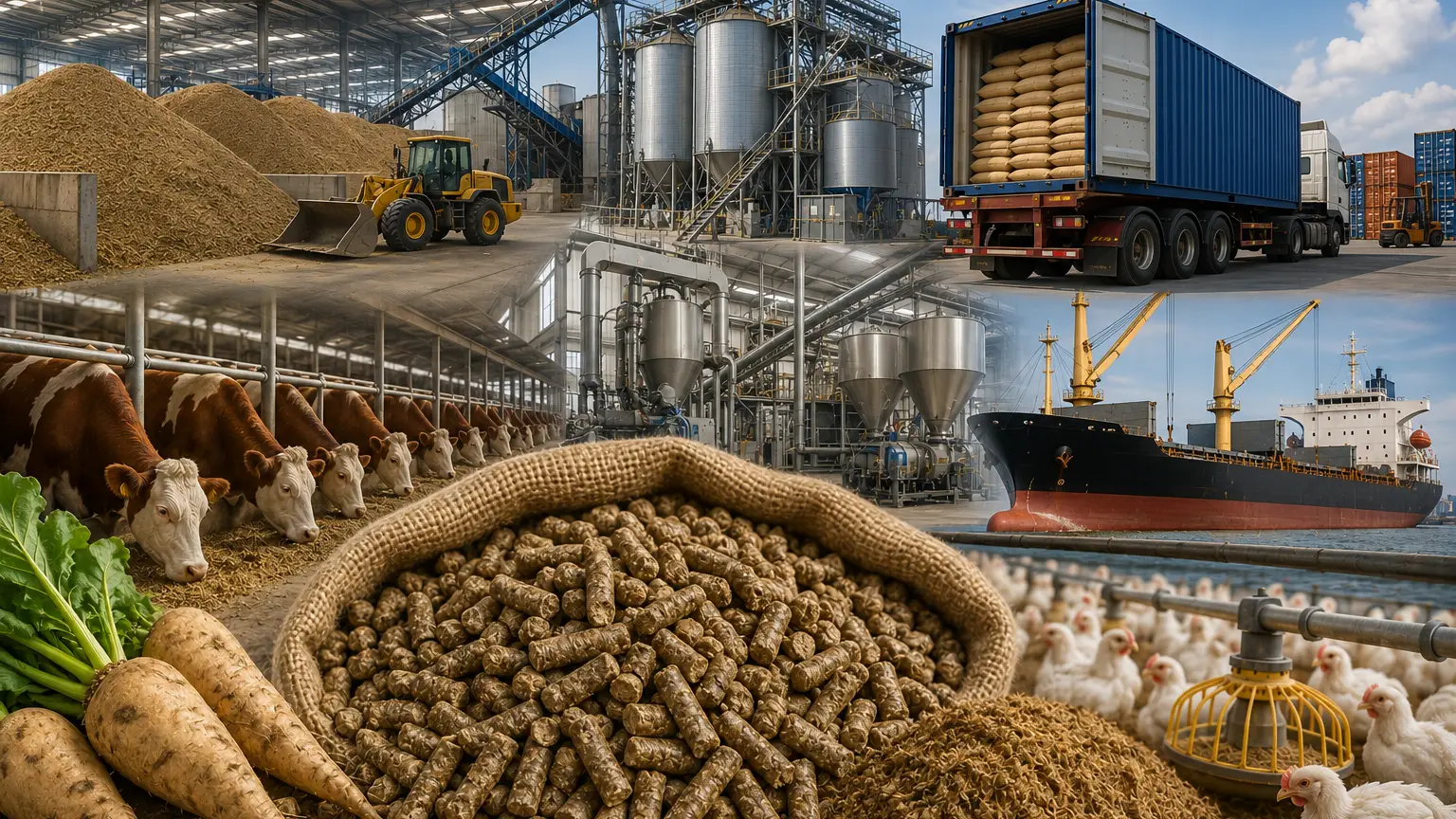
Beet pulp is a fibrous by-product generated during sugar extraction from sugar beets. After sugar removal, the remaining plant material is processed into dried shreds, pellets, or flakes that are widely used in animal nutrition. Its combination of digestible fiber and moderate energy value makes it attractive for multiple livestock sectors.
The growing emphasis on sustainable agriculture has increased interest in agricultural by-products that can be repurposed into valuable feed ingredients. Beet pulp represents an efficient example of circular economy principles within food and agricultural supply chains.
According to technical information published by the Food and Agriculture Organization (FAO), fibrous feed ingredients play a significant role in improving feed efficiency and supporting livestock productivity in various production systems.
As feed manufacturers seek cost-effective nutritional ingredients, beet pulp continues to maintain commercial relevance in both developed and emerging agricultural markets.
Expanding Applications Across Animal Nutrition Markets
Demand Across Livestock and Specialty Feed Segments
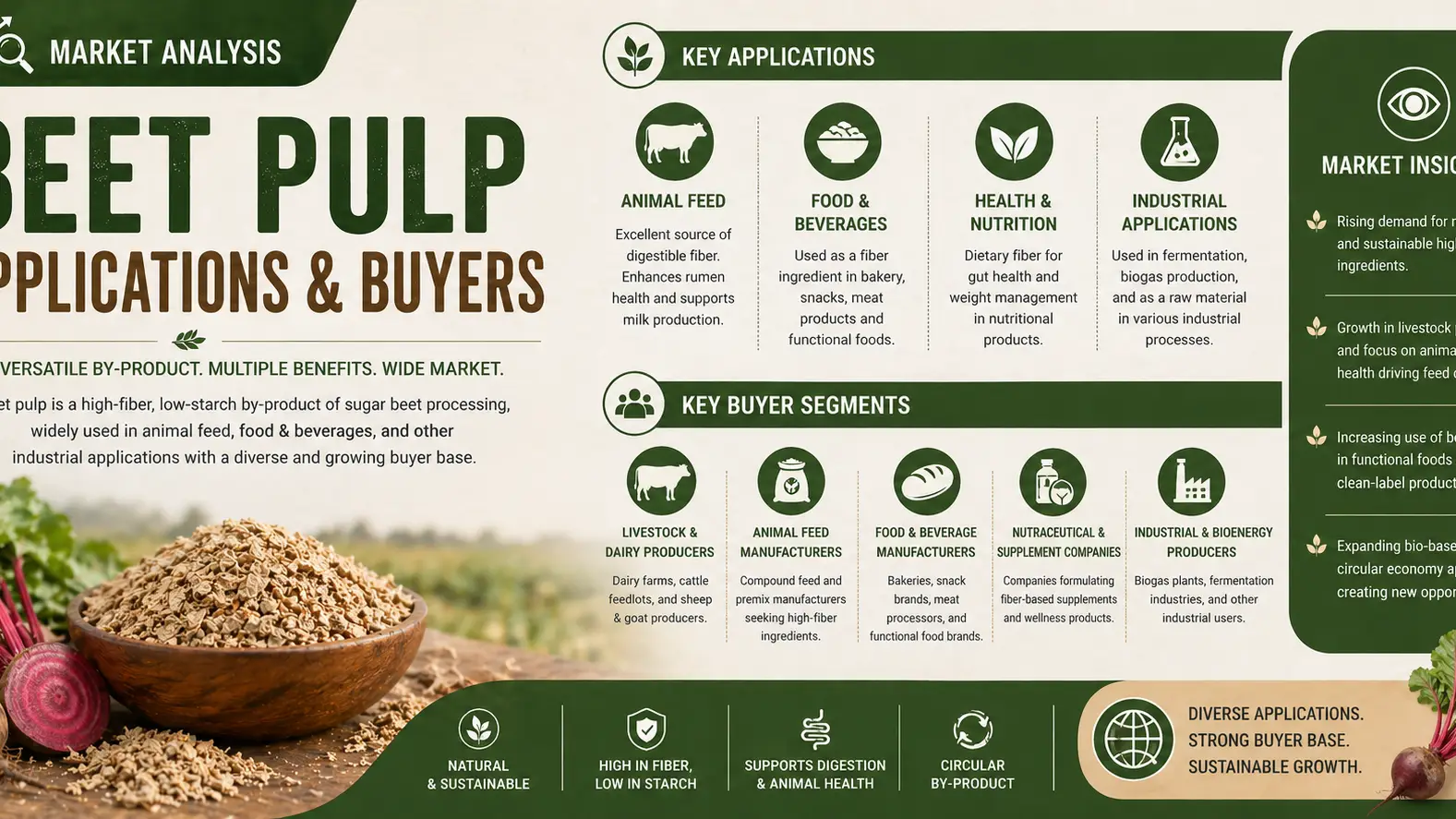
One of the largest applications for beet pulp is in cattle nutrition, where its highly digestible fiber content supports rumen health and balanced energy intake. Dairy and beef producers often incorporate beet pulp into feed formulations to improve overall ration quality.
Horse nutrition represents another major end-use sector. Many equine nutrition specialists value beet pulp as a slow-release fiber source that can complement forage-based feeding programs. According to research published by University of Kentucky, beet pulp remains a commonly utilized ingredient in horse feeding programs.
The pet food industry has also adopted beet pulp in selected formulations, particularly for digestive health and fiber management applications. Premium pet nutrition manufacturers increasingly evaluate fiber sources that contribute to balanced gastrointestinal function.
Growing diversification of animal nutrition markets continues to create opportunities for beet pulp suppliers serving multiple feed segments simultaneously.
Global Market Trends Driving Beet Pulp Demand
Sustainability and Feed Cost Optimization
Global feed manufacturers face increasing pressure to balance nutrition, sustainability, and cost management. As a result, agricultural by-products with proven nutritional value have gained greater acceptance across commercial feed operations.
Market analysis from the International Feed Industry Federation indicates that demand for sustainable feed ingredients continues to rise as producers seek to reduce waste and improve resource efficiency throughout supply chains.
Volatility in grain and protein feed markets has also encouraged procurement teams to diversify ingredient portfolios. Beet pulp offers flexibility in feed formulations while supporting dietary fiber requirements in various animal species.
As environmental, social, and governance considerations become more important in agricultural procurement, beet pulp's position as a recycled agricultural resource may strengthen its long-term market outlook.
Buyer Intent and Procurement Considerations
What Procurement Teams Evaluate Before Purchasing
Typical beet pulp buyers include feed manufacturers, livestock integrators, feed distributors, animal nutrition companies, and agricultural commodity traders. These organizations generally purchase large volumes and evaluate suppliers based on consistency and reliability.
Procurement teams often assess factors such as fiber content, moisture levels, pellet durability, origin, storage stability, and transportation efficiency before making sourcing decisions. Quality specifications can directly influence feed formulation performance.
According to guidance from the American Feed Industry Association, ingredient consistency remains one of the most important considerations in commercial feed manufacturing operations.
For companies evaluating suppliers, a dedicated [Beet Pulp product page](INSERT PRODUCT PAGE URL) can provide technical information, sourcing support, and procurement insights that facilitate supplier qualification processes.
Sourcing Strategies and Supply Chain Opportunities
Managing Reliable Global Supply
The availability of beet pulp is closely connected to sugar beet cultivation and sugar processing activities. Major production regions include parts of Europe, North America, and selected agricultural regions with established sugar industries.
Supply chain participants increasingly seek dependable partners capable of supporting consistent deliveries, export documentation, quality assurance, and international logistics coordination. These requirements are especially important for large feed manufacturers operating across multiple markets.
Industry reports from the Organisation for Economic Co-operation and Development highlight the importance of resilient agricultural supply chains amid changing trade conditions and market uncertainties.
Companies engaged in global procurement often benefit from diversified sourcing strategies that reduce risk while maintaining continuity of supply for critical feed ingredients such as beet pulp.
Commercial Outlook for Global Feed Ingredient Markets
Future Opportunities for Suppliers and Buyers
Demand for livestock products continues to expand in many developing economies, supporting long-term growth in feed ingredient consumption. This trend is expected to create additional opportunities for beet pulp producers and distributors.
The increasing adoption of sustainable feed ingredients aligns well with broader agricultural industry goals related to resource efficiency and waste reduction. Beet pulp is well positioned within these evolving procurement priorities.
Market participants that can provide consistent product quality, traceability, and dependable logistics support may gain competitive advantages as buyer expectations continue to evolve.
Conclusion
Beet pulp has evolved from a sugar industry by-product into a strategically important feed ingredient serving livestock, equine, and specialty nutrition markets. Its digestible fiber profile, sustainability benefits, and versatility continue to support demand across global animal feed industries.
Sources
Leave a Comment