Introduction to Beet Pulp in Modern Feed Production
Beet pulp is a highly digestible fibrous feed ingredient produced as a co-product during sugar beet processing. After sugar extraction, the remaining pulp is dried or pelleted to create a valuable livestock feed material that combines energy, fiber, and palatability. Its nutritional profile makes it particularly attractive for ruminants while also supporting specialized feed formulations for horses and other animals.
According to technical guidance published by the Food and Agriculture Organization (FAO), agricultural co-products such as beet pulp play an increasingly important role in improving feed resource efficiency while reducing waste across the agricultural value chain. The growing emphasis on circular economy practices has further increased industry interest in utilizing by-products with proven nutritional value.
The Growing Importance of Sustainable Feed Ingredients
Feed manufacturers are increasingly seeking ingredients that improve animal performance while supporting environmental sustainability. Beet pulp aligns with these goals because it is derived from an existing agricultural process, helping maximize resource utilization without requiring additional crop production specifically for feed purposes.
The increasing demand for efficient livestock production has also encouraged nutritionists to formulate balanced diets using highly digestible fiber sources. As sustainability becomes a key purchasing criterion, beet pulp continues gaining recognition among commercial feed producers worldwide.
Industrial Applications Across Livestock Nutrition
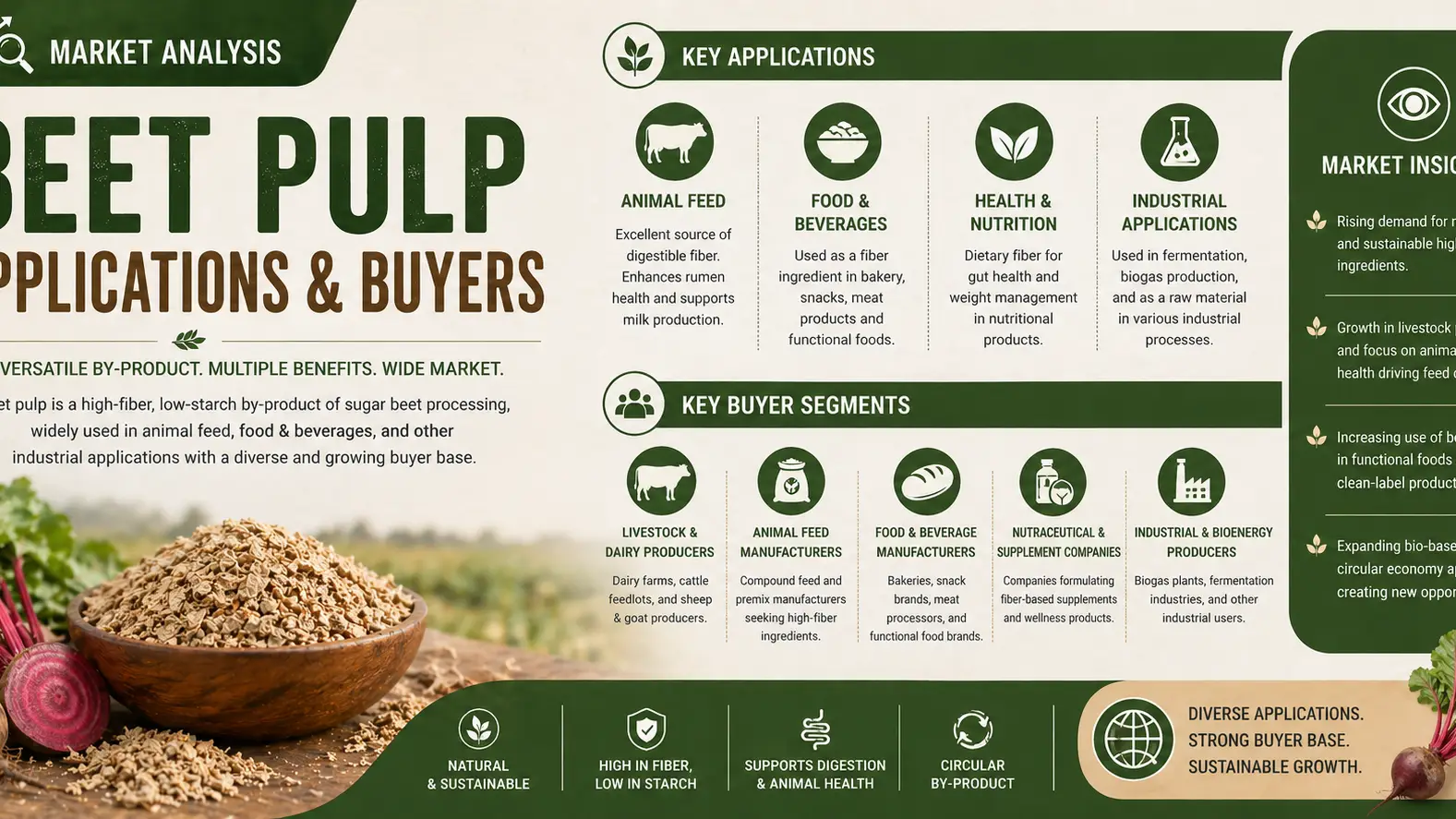
Beet pulp serves multiple livestock sectors due to its unique balance of digestible fiber and energy. Dairy cattle benefit from improved rumen function, while beef cattle utilize beet pulp to support weight gain during finishing programs. Sheep and goats also receive nutritional advantages through enhanced fiber fermentation and consistent energy availability.
Research published by the National Research Council (NRC) and various university animal nutrition programs highlights beet pulp as an effective non-forage fiber source capable of supporting rumen health while maintaining feed efficiency in balanced rations.
Expanding Applications Beyond Traditional Ruminants
Horse feed manufacturers frequently include beet pulp because of its digestibility and water-holding capacity, making it suitable for senior horses, performance animals, and specialized feeding programs. In selected formulations, beet pulp is also incorporated into feeds for rabbits and companion animals requiring controlled fiber intake.
As premium animal nutrition continues evolving, manufacturers increasingly combine beet pulp with proteins, vitamins, minerals, and functional additives to create customized feed products that meet diverse production objectives across multiple livestock industries.
Why Beet Pulp Is Valued by Feed Manufacturers
Feed producers value beet pulp because it delivers consistent nutritional characteristics while improving pellet quality and feed texture. Its palatability encourages feed intake, which is particularly important during periods of dietary transition or increased nutritional demand. Manufacturers also appreciate its compatibility with a wide range of feed ingredients.
According to technical information from the American Feed Industry Association (AFIA), consistent ingredient quality and dependable sourcing remain essential priorities for commercial feed production. Beet pulp supports these objectives by offering reliable processing characteristics and broad formulation flexibility.
Commercial Advantages for Feed Production
Modern feed mills continuously evaluate raw materials based on nutritional performance, cost efficiency, availability, storage stability, and supply consistency. Beet pulp performs well across these evaluation criteria, making it a dependable ingredient for both standard and premium feed formulations.
Growing investments in precision livestock nutrition have further strengthened demand for feed ingredients capable of supporting animal health without compromising production economics. As a result, beet pulp remains an important component within commercial feed manufacturing strategies worldwide.
Global Market Trends and Industry Growth
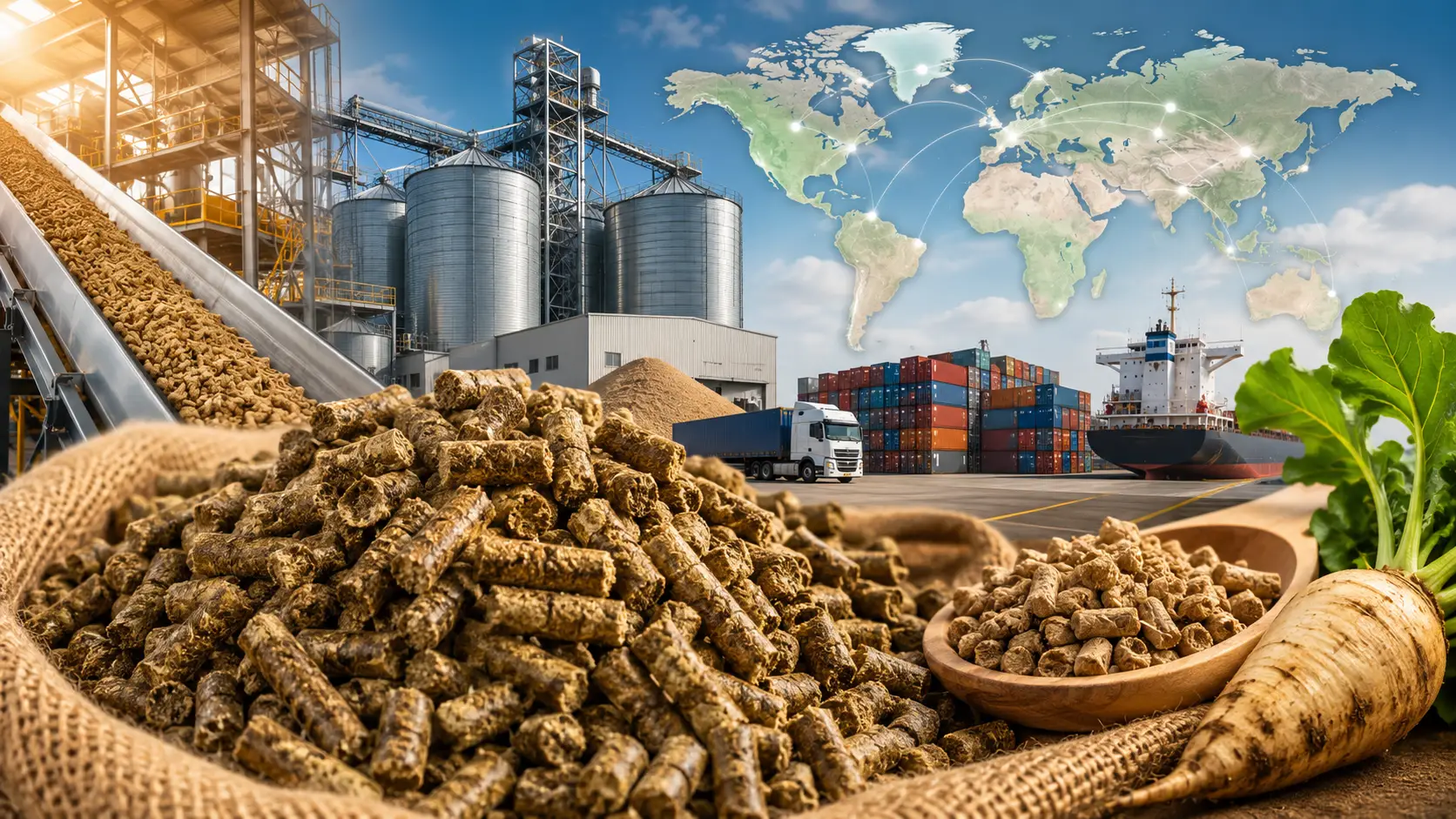
Global demand for beet pulp continues to expand as livestock producers seek nutritionally balanced and sustainable feed ingredients. Rising meat and dairy consumption, particularly across Asia-Pacific, the Middle East, and Latin America, has encouraged feed manufacturers to diversify their raw material portfolios. As sugar beet processing remains concentrated in Europe and parts of North America, international trade has become essential for supplying growing feed markets.
According to the Food and Agriculture Organization (FAO), increasing demand for efficient livestock production and resource optimization has accelerated the use of agricultural co-products in commercial feed formulations. Industry analyses from organizations such as the Organisation for Economic Co-operation and Development (OECD) also indicate that global feed production will continue growing alongside rising animal protein consumption, supporting long-term demand for fiber-rich ingredients like beet pulp.
Regional Opportunities for Manufacturers and Distributors
Europe remains the largest producer of beet pulp due to its extensive sugar beet industry, with countries including Germany, France, Poland, and the Netherlands serving as major supply hubs. These regions benefit from advanced processing infrastructure, allowing manufacturers to produce high-quality dried and pelleted beet pulp for both domestic consumption and export markets.
Emerging markets across Southeast Asia, the Middle East, and Africa increasingly rely on imported beet pulp to strengthen livestock productivity and improve feed efficiency. For traders and distributors, this creates opportunities to establish long-term partnerships with feed mills, livestock producers, and agricultural cooperatives seeking dependable global supply chains.
Buyer Intent and Procurement Considerations
Organizations purchasing beet pulp typically include commercial feed manufacturers, dairy farms, beef producers, equine nutrition companies, livestock cooperatives, agricultural distributors, and international commodity traders. Procurement teams evaluate beet pulp as part of a broader strategy to improve feed performance while maintaining cost-effective production. As livestock nutrition becomes more data-driven, buyers seek ingredients that consistently meet nutritional specifications and quality standards.
Technical recommendations published by the American Feed Industry Association (AFIA) emphasize the importance of ingredient consistency, supplier transparency, and quality assurance when sourcing feed materials. Buyers increasingly request documentation related to moisture content, crude fiber, digestible energy, packaging, and storage conditions before finalizing purchasing decisions.
Supporting Better B2B Procurement Decisions
Beyond nutritional value, procurement professionals compare suppliers based on manufacturing capability, export experience, logistics support, regulatory compliance, and supply reliability. Consistent availability is particularly important because interruptions in feed ingredient supply can directly affect production schedules and livestock performance.
A comprehensive product page helps buyers make informed sourcing decisions by providing technical specifications, application guidance, packaging options, and supply information. For B2B marketplaces such as Tradeasia, Chemtradeasia, and Tradechem Marketplace, detailed product information builds buyer confidence and supports efficient communication between suppliers and procurement teams.
Conclusion: Supporting Reliable Global Sourcing
Beet pulp has become an increasingly valuable feed ingredient due to its digestible fiber content, nutritional versatility, and contribution to sustainable livestock production. Its applications extend across dairy cattle, beef cattle, sheep, goats, horses, and specialized feed formulations, making it an important component of modern animal nutrition. As demand for efficient and environmentally responsible feed ingredients continues to rise, beet pulp is expected to remain a strategic raw material for feed manufacturers worldwide.
The evolving global feed industry also presents attractive opportunities for manufacturers, distributors, exporters, and procurement professionals seeking dependable sources of high-quality beet pulp. Reliable international supply chains, consistent product quality, and technical support have become critical factors in successful procurement strategies.
Partnering with a Trusted B2B Supplier
Businesses sourcing beet pulp benefit from working with suppliers that understand international trade requirements, quality assurance, and market dynamics. A trusted B2B marketplace simplifies supplier evaluation, improves procurement efficiency, and helps buyers secure competitive sourcing solutions for long-term operational success.
Tradeasia, Chemtradeasia, and Tradechem Marketplace connect global buyers with reliable manufacturers and exporters, providing comprehensive sourcing support for beet pulp and a broad portfolio of industrial and feed ingredients tailored to international market requirements.
Sources
https://www.fao.org
https://www.afia.org
Leave a Comment