Beet Pulp B2B Sourcing Guide: Buyers, Supply Chain & Market Insights
Introduction to Beet Pulp in Global Feed Markets
Overview of Beet Pulp as a Feed Ingredient
Beet pulp is a fibrous byproduct derived from sugar beet processing, widely used in the animal nutrition industry as a cost-effective feed ingredient. It is valued for its high digestible fiber content, making it especially suitable for ruminant diets. According to the Food and Agriculture Organization (FAO), sugar beet byproducts have become increasingly important in sustainable feed formulation due to their nutritional efficiency and availability.
In the global feed ecosystem, beet pulp plays a critical role in balancing energy and fiber requirements for livestock. Its neutral composition allows feed manufacturers to incorporate it into various formulations without significantly altering nutrient balance. This flexibility makes it a strategic ingredient for large-scale feed production.
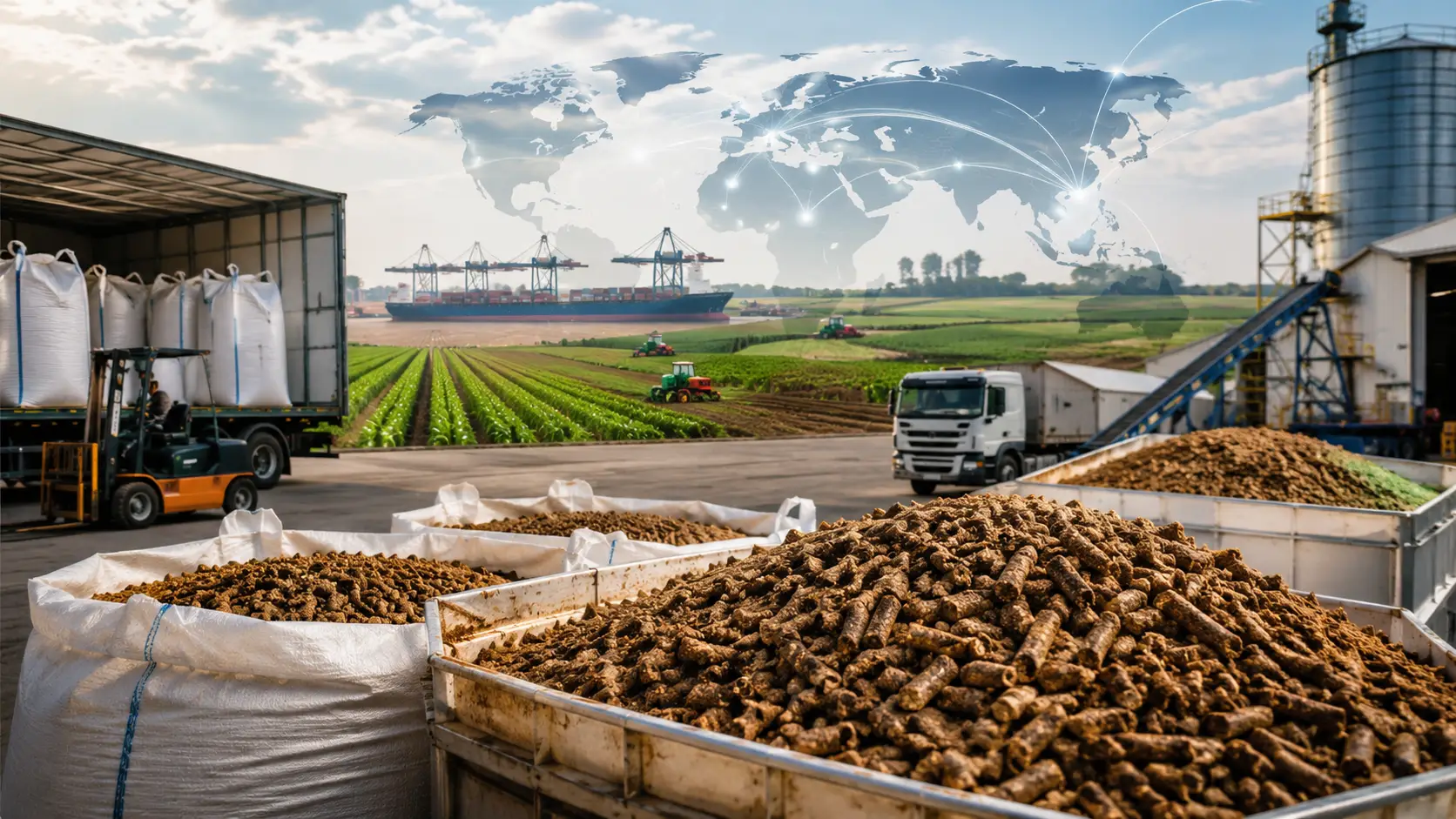
The product is typically available in dried, pelleted, or shredded form, which supports easy transportation and storage. Its stability and long shelf life enhance its attractiveness for international trade and bulk procurement.
From a commercial perspective, beet pulp is positioned as a high-volume commodity within the animal feed supply chain, particularly in regions with strong dairy and beef industries.
Global Role in Agricultural Byproduct Utilization
Beet pulp supports circular economy principles by converting sugar industry residues into valuable feed resources. Based on reports from the European Feed Manufacturers’ Federation (FEFAC), the utilization of agricultural byproducts like beet pulp has significantly reduced waste in sugar production chains.
This sustainability factor has strengthened its adoption across feed manufacturing industries, particularly in Europe and North America. The integration of byproduct-based feed ingredients helps reduce dependency on traditional grain-based feedstocks.
As global agriculture faces pressure to improve resource efficiency, beet pulp has gained recognition as a scalable and sustainable solution. Its role extends beyond nutrition to environmental and economic optimization.
Thus, beet pulp is not only a feed ingredient but also part of a broader agricultural sustainability strategy.
Production and Supply Chain Overview
Sugar Beet Processing and Beet Pulp Output
Beet pulp is produced during the extraction of sugar from sugar beets, where the fibrous material remains after sucrose removal. According to technical documentation from the U.S. Department of Agriculture (USDA), this process generates large volumes of pulp as a consistent byproduct of sugar refining.
The pulp is then pressed, dried, or pelletized depending on end-use requirements. This processing stage is crucial for ensuring stability, moisture reduction, and transport efficiency.
Supply consistency is closely tied to sugar beet harvest cycles, which makes seasonal production patterns an important consideration for buyers. Regions with large sugar industries tend to dominate global beet pulp exports.
As a result, supply chain planning is essential for procurement teams managing long-term feed ingredient contracts.
Logistics and International Trade Flow
Beet pulp trade is heavily influenced by regional sugar production hubs such as the European Union, the United States, and parts of Russia. These regions export surplus volumes to livestock-intensive markets in Asia and the Middle East.
According to market insights from the International Trade Centre (ITC), feed ingredient logistics rely on bulk shipping and containerized distribution due to high-volume demand.
Storage conditions, moisture control, and pellet integrity are key factors in maintaining product quality during long-distance transportation. Any degradation can affect feed performance and buyer satisfaction.
This makes supply chain reliability a critical evaluation factor for international buyers.
Key Applications in Animal Nutrition
Ruminant Feed Formulation
Beet pulp is primarily used in cattle, dairy, and sheep feed formulations due to its high digestible fiber content. Research published by the Journal of Animal Science highlights its effectiveness in improving rumen fermentation efficiency.
It is often used as a partial replacement for forage or grain-based feed, helping reduce feed costs while maintaining nutritional balance.
Feed manufacturers value beet pulp for its ability to improve digestion without causing excessive starch load in ruminants.
This makes it particularly important in dairy farming, where milk production efficiency is closely linked to dietary fiber quality.
Integration in Compound Feed Manufacturing
In industrial feed production, beet pulp is blended into compound feed formulas to enhance bulk and fiber content. Its compatibility with other feed ingredients allows seamless integration into automated production systems.
According to the American Feed Industry Association (AFIA), byproduct feed ingredients like beet pulp are increasingly used to optimize feed cost structures.
Its pellet form also supports uniform mixing and reduces dust generation in feed mills, improving operational efficiency.
As a result, beet pulp has become a standard ingredient in large-scale feed manufacturing operations.
Major Buyer Segments and Procurement Drivers
Feed Manufacturers and Industrial Compounders
Feed manufacturers represent the largest buyer segment for beet pulp. These companies require consistent, high-volume supply to support continuous production lines.
They prioritize quality consistency, fiber content, and moisture levels when selecting suppliers. Procurement decisions are heavily influenced by long-term pricing stability and logistics reliability.
Industrial compounders also assess compatibility with existing feed formulations to ensure nutritional balance.
This makes supplier certification and quality assurance essential in B2B transactions.
Livestock Farms and Agricultural Cooperatives
Large-scale livestock farms and cooperatives also purchase beet pulp directly for in-house feed preparation. These buyers focus on cost efficiency and bulk availability.
According to agricultural market studies from OECD-FAO, integrated livestock operations are increasingly adopting alternative feed ingredients to reduce dependency on grain markets.
Beet pulp provides a reliable fiber source that supports herd health and productivity.
This segment values flexible supply contracts and regional availability.
Market Trends and Global Demand Outlook
Rising Demand for Sustainable Feed Ingredients
Global demand for beet pulp is increasing as livestock producers seek sustainable and cost-effective feed alternatives. Industry analysis from MarketsandMarkets indicates a growing shift toward agricultural byproduct utilization in animal nutrition.
This trend is driven by rising feed costs and environmental sustainability goals.
Beet pulp’s role as a renewable feed resource positions it strongly in this evolving market landscape.
Its adoption is expected to expand in both developed and emerging livestock markets.
Expansion of Dairy and Beef Industries
The growth of dairy and beef industries, particularly in Asia-Pacific and the Middle East, is driving demand for fiber-rich feed ingredients.
According to FAO livestock projections, global meat and dairy consumption continues to rise, supporting feed market expansion.
Beet pulp benefits directly from this growth due to its functional role in ruminant nutrition.
As livestock production intensifies, demand for reliable feed inputs like beet pulp is expected to remain strong.
Strategic Sourcing Considerations for B2B Buyers
Quality Specifications and Supplier Evaluation
B2B buyers must evaluate beet pulp based on moisture content, fiber level, and processing method. These parameters directly impact feed performance and storage stability.
Suppliers with standardized production processes are preferred for large-scale procurement.
Certification and compliance with feed safety regulations also play a key role in supplier selection.
This ensures consistent quality across international supply chains.
Pricing Dynamics and Contract Procurement
Beet pulp pricing is influenced by sugar beet harvest yields, energy costs, and global demand fluctuations. Buyers often engage in contract-based procurement to stabilize pricing.
According to commodity market reports from the World Bank, agricultural byproducts are increasingly subject to global price volatility.
Long-term contracts help mitigate supply risk and ensure continuity.
This makes strategic sourcing a critical function for procurement teams.
Buyer Intent and Commercial Decision Factors
Who Buys Beet Pulp and Why
Beet pulp is primarily purchased by feed manufacturers, livestock farms, distributors, and agricultural cooperatives. These buyers require consistent fiber-based feed ingredients for ruminant nutrition.
They seek cost-effective alternatives to traditional feed grains while maintaining animal health and productivity.
Procurement decisions are driven by nutritional value, supply stability, and pricing competitiveness.
This creates strong demand for transparent and reliable suppliers.
Procurement Evaluation Criteria
Buyers evaluate suppliers based on product consistency, logistics capability, and regulatory compliance. They also assess storage stability and feed performance outcomes.
Price competitiveness alone is not sufficient; quality assurance is equally important.
Supply chain reliability and delivery timelines are critical in large-scale feed operations.
This makes detailed product and supplier information essential for decision-making.
Conclusion: Future Outlook of Beet Pulp Trade
Beet pulp continues to play a vital role in global animal nutrition markets as a sustainable and efficient feed ingredient. Its integration into modern feed systems reflects broader industry trends toward resource optimization and byproduct utilization.
As livestock industries expand and sustainability pressures increase, beet pulp demand is expected to grow steadily across key regions. Its value proposition as a cost-effective fiber source ensures its continued relevance in B2B feed markets.
For procurement teams and distributors, strategic sourcing and supplier diversification will remain essential in managing supply risk and maintaining feed quality.
Sources
https://www.fao.org
https://www.usda.gov
https://www.feedipedia.org
Leave a Comment