Understanding Bakery Meal and Its Industrial Role
Bakery Meal as a Recovered Food Processing Ingredient
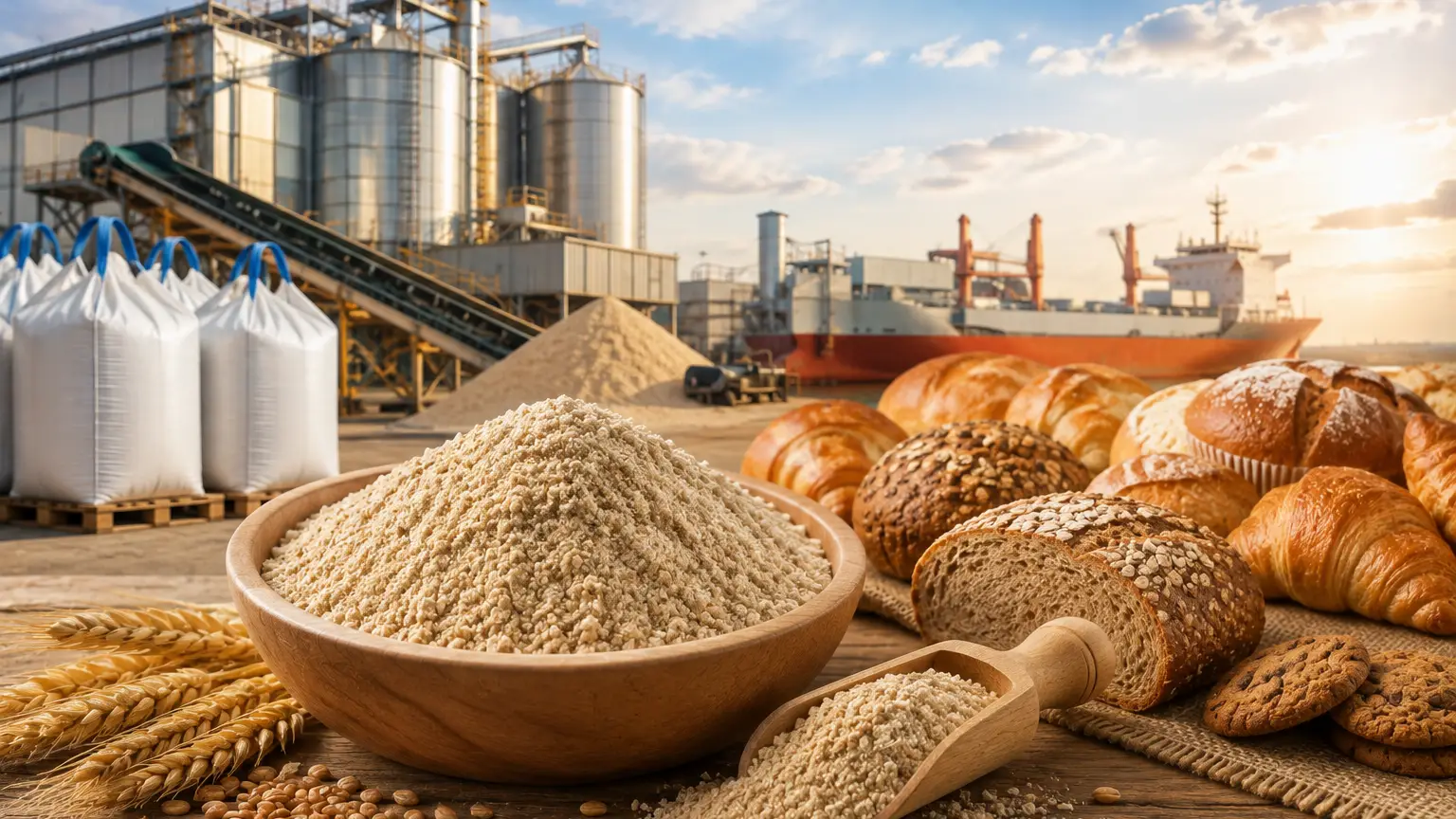
Bakery Meal is a processed feed ingredient produced from bakery-related food materials that are redirected into industrial applications. It represents a valuable connection between food manufacturing efficiency and animal nutrition supply chains by converting suitable bakery by-products into usable feed resources. According to research from Wageningen University & Research, dry bakery by-products can be incorporated into circular livestock feeding systems as alternatives to conventional grain ingredients.
For industrial buyers, Bakery Meal is primarily evaluated as an ingredient with potential nutritional value, consistent supply characteristics, and compatibility with feed formulation requirements. Feed manufacturers often assess factors such as composition, processing quality, storage stability, and regulatory compliance before integrating this material into production.
The increasing focus on resource efficiency has encouraged food processors and feed companies to explore solutions that reduce material losses while creating additional commercial value. Bakery Meal fits within this broader movement by transforming food industry residual streams into useful agricultural inputs. Technical studies on bakery by-products highlight their role in circular bioeconomy approaches for livestock feed applications.
Trade buyers searching for reliable Bakery Meal supply can evaluate specifications, supplier capabilities, and regional availability through a dedicated Bakery Meal product page. This supports procurement teams looking for transparent sourcing information.
Bakery Meal Applications in Animal Feed Manufacturing
Use in Livestock Feed Formulation
The main industrial application of Bakery Meal is within animal feed production, where it can serve as an alternative feed component depending on formulation requirements. Feed manufacturers may consider Bakery Meal for livestock diets because bakery-derived ingredients can provide energy-related nutritional characteristics. Research from veterinary nutrition institutions has examined bakery products as alternative feed materials in pig and livestock diets.
Animal feed producers typically combine Bakery Meal with other ingredients to achieve balanced nutritional profiles. Its commercial value depends on quality consistency, processing methods, and compatibility with the nutritional targets of poultry, swine, and other livestock sectors.
The demand for alternative feed materials continues to increase as producers seek flexible ingredient options. Bakery Meal provides an opportunity for feed companies to diversify raw material sourcing while participating in more circular agricultural supply chains.
According to FAO research on agro-industrial by-products, food processing residues can contribute to animal feeding systems when nutritional value, availability, and logistical conditions are appropriately managed.
Market Trends Driving Bakery Meal Demand
Growth of Circular Feed Ingredient Markets
Bakery Meal demand is closely connected with global interest in circular economy practices within food and agriculture industries. Companies are increasingly looking for ways to maximize resource utilization and create commercial pathways for food processing by-products.
The livestock sector continues to evaluate alternative feed ingredients due to changing commodity prices, supply chain pressures, and sustainability objectives. Bakery Meal offers potential sourcing flexibility for manufacturers that need additional ingredient options.
Market development is also influenced by stronger traceability expectations. Buyers increasingly require information about origin, processing conditions, quality control procedures, and supplier reliability before establishing long-term purchasing relationships.
Regulatory guidance from agencies such as the Department of Agriculture, Environment and Rural Affairs highlights the importance of feed safety, traceability, and compliance when food industry by-products are used in animal feed applications.
Key Buyers and Procurement Considerations
Who Purchases Bakery Meal
The primary buyers of Bakery Meal include animal feed manufacturers, livestock nutrition companies, agricultural traders, distributors, and procurement teams supporting farming operations. These organizations typically purchase based on availability, technical specifications, and supply consistency.
Feed producers evaluate Bakery Meal suppliers based on several commercial factors, including production capacity, documentation, quality assurance systems, and ability to support recurring orders. Reliable sourcing relationships are important because feed manufacturers require stable ingredient supply.
International traders and distributors may also compare suppliers across different regions to identify competitive pricing, logistics advantages, and dependable shipment arrangements. This creates opportunities for B2B marketplaces that connect manufacturers with qualified buyers.
A structured supplier information platform helps procurement professionals compare options more efficiently. Tradeasia marketplace positioning supports industrial buyers by providing access to product information and supplier connections for ingredients such as Bakery Meal.
Sourcing Bakery Meal Through B2B Supply Networks
Supplier Evaluation and Purchasing Strategy
Effective Bakery Meal sourcing requires buyers to evaluate supplier expertise, product specifications, documentation, and delivery capabilities. Industrial procurement teams generally prefer suppliers that can provide consistent quality and clear commercial information.
A B2B marketplace approach allows buyers to identify potential suppliers while reducing the time required for initial supplier discovery. Digital sourcing platforms are becoming increasingly important for industrial purchasing across agricultural commodities and feed ingredients.
Buyers comparing Bakery Meal suppliers should consider application suitability, regional supply availability, transportation requirements, and compliance expectations. These factors influence both purchasing decisions and long-term supply partnerships.
Companies interested in sourcing can review detailed product information through the Bakery Meal sourcing page to understand application positioning and supplier opportunities.
Commercial Outlook for Bakery Meal Suppliers and Buyers
Future Opportunities in Sustainable Feed Supply
Bakery Meal represents a commercial opportunity within the expanding market for sustainable feed ingredients. As food and agriculture industries continue improving resource efficiency, demand for responsibly sourced feed materials is expected to remain relevant.
Manufacturers and traders that develop strong quality systems and dependable supply networks can better serve feed companies seeking alternative ingredients. Market success depends on maintaining consistent standards rather than simply increasing supply volume.
For buyers, selecting the right Bakery Meal supplier involves balancing technical suitability, commercial competitiveness, and supply reliability. Procurement teams increasingly view ingredient sourcing as a strategic decision affecting production stability and operational performance.
Tradeasia and Chemtradeasia marketplace solutions can support global B2B connections by helping buyers discover industrial suppliers and evaluate sourcing opportunities. The Bakery Meal supplier information page provides a starting point for companies exploring this feed ingredient category.
Leave a Comment