Explore our network of country and industry based websites to access localized information, product offerings, and business services across our group.
Log in to start sending quotation requests for any product.
Don't have an account? Sign Up Here
Log in now to access technical product documents from our product range.
Don't have an account? Sign Up Here
Home All Products Xylose
|
IUPAC Name |
: D-Xylose |
|
Cas Number |
: 58-86-6 |
|
HS Code |
: 2940.00.00 |
|
Formula |
: C5H10O5 |
|
Appearance Name |
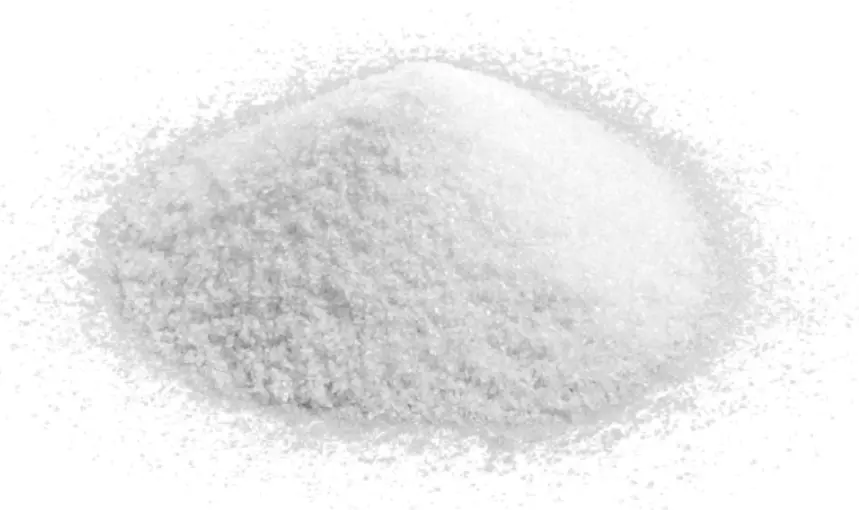
: White Crystalline Powder |
|
Common Names |
: d(+)-xylose |
|
Packaging |
: 25 kg drum |
For more detailed information including pricing, customization, and shipping:
Brief Overview
Xylose is a 5-carbon sugar molecule that is produced from the coconut shell and wood. Xylose is commonly called wood sugar which is obtained from the xylan-rich portion of hemicelluloses present in plant cell walls and fiber. Xylose is considered to reduce sugar, and its structure depends on the condition. Xylose was first obtained from the embryos of edible plants in 1930.
Manufacturing Process
Xylose is commercially isolated by Koch from wood materials. Xylose derivatives can be obtained from the reduction of xylose by the catalytic hydrogenation process that produces the anti-cariogenic sugar substitute xylitol.
Food Industry
In the food industry, xylose is used for high-purity products, and it is used as color and flavor enhancement, flavor enhancer, flavor masking, and sucrose inhibitor. Xylose gives the same sweet and flavor profile as glucose of 63%, can improve the flavor of normal sweet foods, and inhibit odor. Xylose sugar is a healthy sugar that inhibits the absorption of sugar in the body. Xylose has the same function as dietary fibers. Its molecule has good compatibility with the food. It can show good health care function and the same time can raise the absorption of Calcium molecules in the food.
Chemical Industry
Xylose is used for the production of 100% efficiency in hydrogen. It is also used as a solvent and precursor in synthetic polymer production in the chemical industry.



 English

 Indonesian
 简体字
简体字
 العربية
 Español
 Français
 Português
 日本語
日本語
 한국어
한국어
 Tiếng Việt