Explore our network of country and industry based websites to access localized information, product offerings, and business services across our group.
Log in to start sending quotation requests for any product.
Don't have an account? Sign Up Here
Log in now to access technical product documents from our product range.
Don't have an account? Sign Up Here
Home All Products Fumaric Acid (E297)
|
IUPAC Name |
: (E)-But-2-enedioic Acid |
|
Cas Number |
: 110-17-8 |
|
HS Code |
: 2917.19.00 |
|
Formula |
: C4H4O4 |
|
Appearance Name |
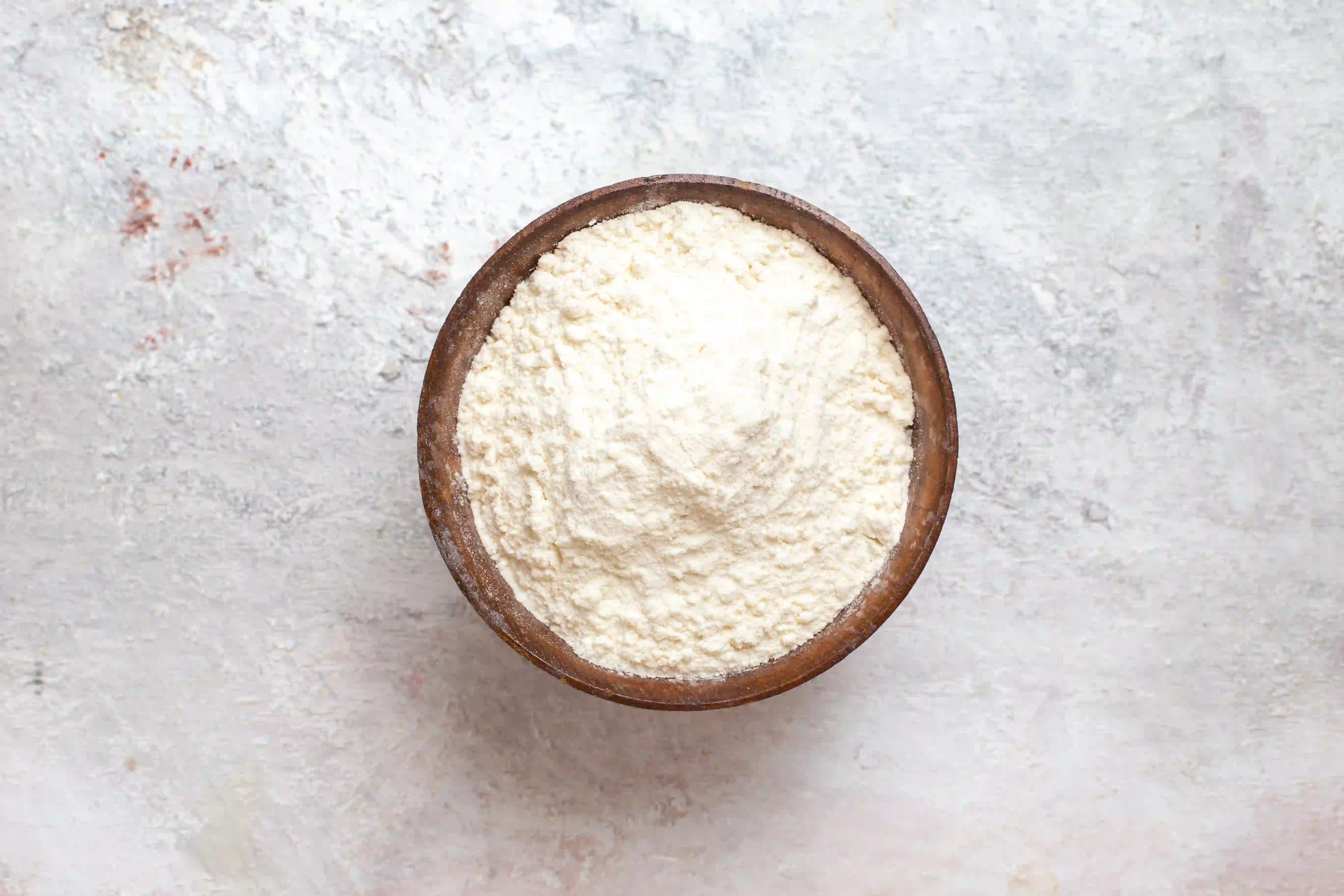
: White Crystalline Powder |
|
Common Names |
: 2-Butenedioic Acid, Trans-butenedioic Acid, Butenedioic Acid |
|
Packaging |
: 25 kg paper bag with PE liner |
For more detailed information including pricing, customization, and shipping:
Fumaric acid is manufactured primarily via fermentation of glucose using Rhizopus fungi for natural production or through isomerization of maleic anhydride from petroleum sources for industrial scale. This clean-label organic acid provides sharp acidity (1.5x citric acid), superior solubility in dry mixes, and precise pH control. It offers leavening synergy that enhances fruit flavors, stabilizes emulsions, and extends shelf life through antimicrobial activity. In the food industry, it serves as a cost-effective acidity regulator for beverages and gels, demonstrates rapid dissolution in powdered applications, heat stability up to 200°C, and promotes gelation ideal for low-pH formulations and reduced-acid systems.
Beverages: Provides intense tartness in powdered drink mixes, effervescent tablets, sports drinks, and citrus beverages with complete solubility above 60°C forming clear solutions, pH adjustment to 3.0-3.5 preventing microbial growth, carbonation stability without precipitation, and flavor enhancement masking metallic notes in iron-fortified formulas.
Confectionery: Gels jellies, gums, sour candies, and panned coatings with strong calcium pectin interaction forming firm textures at 0.5-2% usage, sour coating adhesion without stickiness, heat stability during boiling to 110°C without volatilization, and prolonged shelf life through water activity depression.
Bakery products: Acts as dough conditioner and leavening acid in low-sodium baking powders reacting with sodium bicarbonate at pH 4.5 for 30% greater CO2 release than adipic acid, improves crumb structure in tortillas and flatbreads, extends mold-free shelf life by 7-10 days ambient through pH control.
Gel desserts and puddings: Forms rapid-setting gels with modified starches and pectins at refrigerator temperatures, prevents syneresis in fruit-flavored systems, clear gel formation without haze at 0.3-0.8% levels, and temperature cycling stability maintaining cube integrity through 5 freeze-thaw cycles.
Processed meats and seafood: Lowers pH in injection brines and marinades for salmon, shrimp, and poultry enhancing water binding capacity by 10-15%, accelerates cure color development through nitrosoheme formation, antimicrobial activity extending shelf life 5-7 days refrigerated, and clean acid profile without metallic aftertaste.
Sauces and condiments: Balances sweetness in fruit-based ketchups, sweet-sour sauces, and pickles with high temperature tolerance during hot-fill processing at 95°C, emulsion stabilization in oil-based dressings, calcium sequestering preventing pectin breakdown in high-fruit preparations.
In cosmetics, adjusts pH in shampoos, lotions, and astringent toners while chelating metals; in personal care, provides tartness in oral rinses and gentle exfoliation in scrubs; in industrial uses, synthesizes resins, polyester polymers, and serves as a mordant in dyeing processes.



 English

 Indonesian
 简体字
简体字
 العربية
 Español
 Français
 Português
 日本語
日本語
 한국어
한국어
 Tiếng Việt