Explore our network of country and industry based websites to access localized information, product offerings, and business services across our group.
Access reliable chemical market information through our update channels.
Real-time Updates
Daily Updates
Log in to start sending quotation requests for any product.
Don't have an account? Sign Up Here
Log in now to access technical product documents from our product range.
Don't have an account? Sign Up Here
Home All Products Sorbic Acid
|
IUPAC Name |
: (2E,4E)-hexa-2,4-dienoic acid |
|
Cas Number |
: 110-44-1 |
|
HS Code |
: 2916.19.60 |
|
Formula |
: C6H8O2 |
|
Appearance Name |
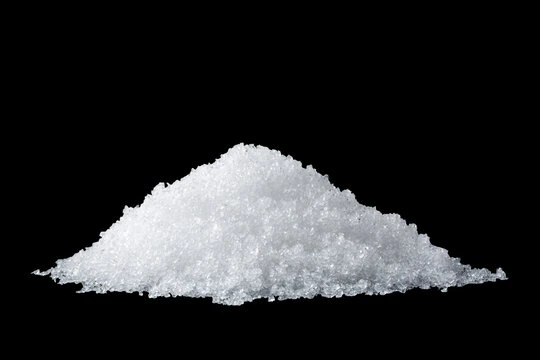
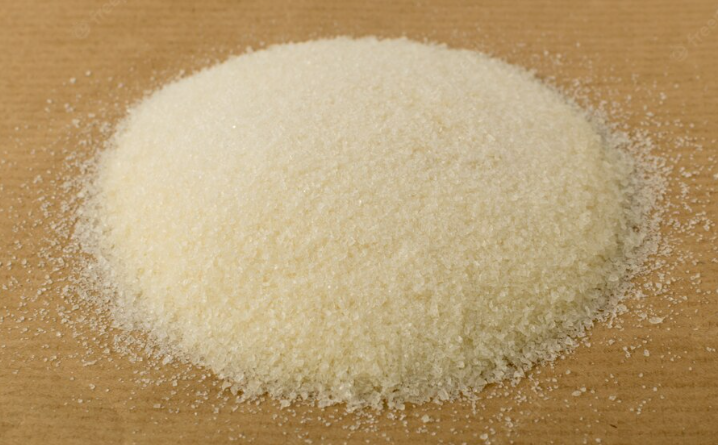
: White Crystalline Powder |
|
Common Names |
: 2,4-hexadienoic acid |
|
Packaging |
: 720 @ 25 kg Bag, 18 MT / 20FCL |
For more detailed information including pricing, customization, and shipping:
Brief Overview
Sorbic acid, or 2,4-hexadienoic acid, is a natural organic compound used as a food preservative. It has the chemical formula C6H8O2. It is a colourless solid that is slightly soluble in water and sublimes readily. It was first isolated from the unripe berries of the rowan tree (Sorbus aucuparia), hence its name.
Manufacturing Process
The traditional route to sorbic acid involves condensation of malonic acid and trans-butenal. It can also be prepared from isomeric hexadienoic acids, which are available via a nickel-catalyzed reaction of allyl chloride, acetylene, and carbon monoxide. The route used commercially, however, is from crotonaldehyde and ketene.
Food Industry
Sorbic acid is antimicrobial agent often used as preservative in food and drinks to prevent the growth of mold, yeast, and fungi. In general the salts are preferred over the acid form because they are more soluble in water, but it is the acid form that is active. The optimal pH for the antimicrobial activity is below pH 6.5. Sorbates are generally used at concentrations of 0.025 % to 0.10 %. Adding sorbate salts to food will, however, raise the pH of the food slightly so the pH may need to be adjusted to assure safety. It is found in many other foods, such as cheeses and breads. Other Applications Sorbic acid can also be used as an additive for cold rubber, and as an intermediate in the manufacture of some plasticizers and lubricants.