Explore our network of country and industry based websites to access localized information, product offerings, and business services across our group.
Log in to start sending quotation requests for any product.
Don't have an account? Sign Up Here
Log in now to access technical product documents from our product range.
Don't have an account? Sign Up Here
Home All Products Sodium Nitrite (E250)
|
IUPAC Name |
: Sodium Nitrite |
|
Cas Number |
: 7632-00-0 |
|
HS Code |
: 2834.10.00 |
|
Formula |
: NaNO2 |
|
Appearance Name |
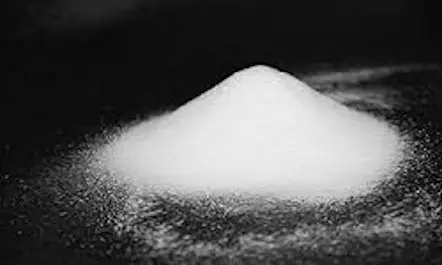
: White or slightly yellowish crystalline powder |
|
Common Names |
: Nitrous Acid, Sodium Salt |
|
Packaging |
: 25 Kg Bag |
For more detailed information including pricing, customization, and shipping:
Sodium nitrite is an inorganic salt produced by absorbing nitrogen oxides in sodium carbonate solution or through catalytic oxidation of ammonia, used as a curing agent, color fixative, and antimicrobial preservative (E250) that forms nitric oxide for pink color development, inhibits Clostridium botulinum, and prevents rancidity. In the food industry, it provides characteristic cured meat color, flavor enhancement, and botulism protection ideal for processed meats and sausages.
Processed meats: Develops stable pink-red color and cured flavor in ham, bacon, sausages, hot dogs, corned beef, and salami through nitrosoheme formation preventing greying.
Cured and smoked meats: Inhibits Clostridium botulinum spore germination in vacuum-packed luncheon meats, pâtés, and fermented sausages ensuring safety during refrigerated storage.
Ready-to-eat meats: Prevents lipid oxidation and warmed-over flavor in deli meats, roast beef, and poultry products maintaining freshness and sensory quality.
Fermented meat products: Controls competing bacteria during sausage fermentation while stabilizing color and extending shelf life in summer sausages and pepperoni.
Canned meat products: Enhances safety and appearance in canned hams, luncheon meat, and meat spreads preventing spoilage during heat processing and storage.
In the cosmetics industry, preserves water-based products; in the personal care industry, stabilizes formulations; in the metal industry, acts as a corrosion inhibitor; in rubber manufacturing, accelerates vulcanization; in textiles, serves as diazo dye intermediate; in photography, acts as developer; in water treatment, controls corrosion; in metal finishing, provides corrosion inhibition.



 English

 Indonesian
 简体字
简体字
 العربية
 Español
 Français
 Português
 日本語
日本語
 한국어
한국어
 Tiếng Việt