Explore our network of country and industry based websites to access localized information, product offerings, and business services across our group.
Access reliable chemical market information through our update channels.
Real-time Updates
Daily Updates
Log in to start sending quotation requests for any product.
Don't have an account? Sign Up Here
Log in now to access technical product documents from our product range.
Don't have an account? Sign Up Here
Home All Products Pea Starch
|
IUPAC Name |
: Pea Starch |
|
Cas Number |
: 9005-25-8 |
|
HS Code |
: 3505.10.10 |
|
Formula |
: (C6H10O5)n |
|
Appearance Name |
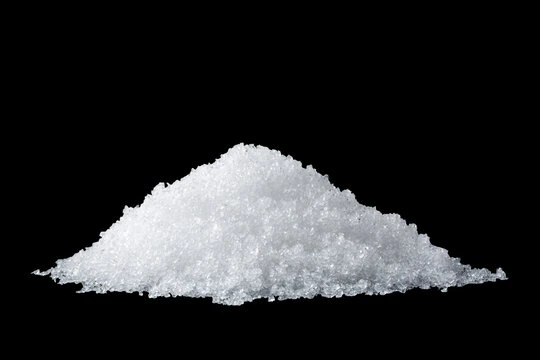
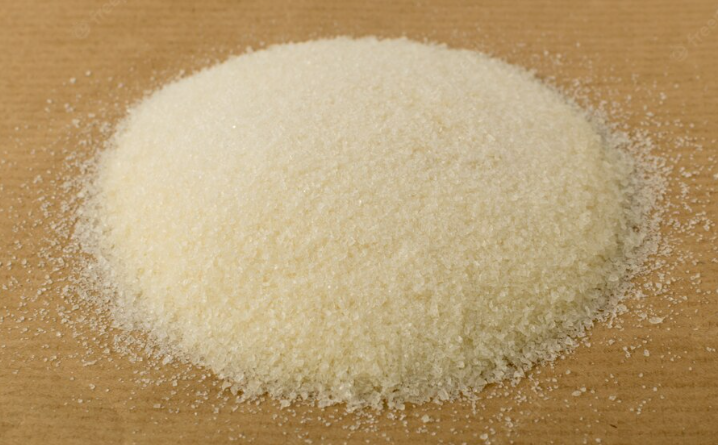
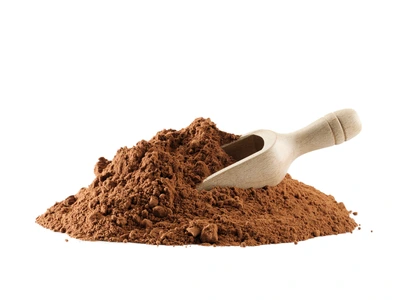
: White Powder |
|
Common Names |
: Pea Starch |
|
Packaging |
: 25 kg PP Bag |
For more detailed information including pricing, customization, and shipping:
Brief Overview
Native pea starch has neutral taste and color. Because of its higher amylose content and higher gelatinization temperature relative to corn, tapioca, and potato native starches, it shows excellent stability in high temperature cooking and under variances in pH levels. It also manifests good resistance to shearing. These are characteristics normally associated with chemically modified starches.
Manufacturing Process
The production of pea starch starts in mashing stage, where pea meal is mixed with water under certain process conditions. Then, it is passed through decanter centrifuges to separate the extracted protein solution from starch mixture. Decanter centrifuges also force water out of pea fibers and finally dry fiber are obtained.
Food Industry
Pea starch is widely used in the food industry. It is usually used for gluten-free products. Its high resistance to shear-thinning, high gelatinization temperature, high elasticity of gel, and fast retrogradation contribute to improve the consistency and texture of food products. Some examples of food products that use pea starch are confectionery, bakery, sauces, soups, noodles, pasta, and meat products.
Pharmaceutical Industry
Pea starch is used in the pharmaceutical industry, especially in tablet manufacturing. It provides stability, mechanical strength, and tablet disintegration to products.
Textile Industry
In the textile industry, pea starch is used for textile sizing and cotton yarns. It has relatively similar chemical properties to cotton and rayon. Pea starch is also used for wrap sizing, preparatory to weaving, and printing some types of fabrics. It is cost-effective compared to other alternatives, such as corn, wheat, and potato starch.