Explore our network of country and industry based websites to access localized information, product offerings, and business services across our group.
Log in to start sending quotation requests for any product.
Don't have an account? Sign Up Here
Log in now to access technical product documents from our product range.
Don't have an account? Sign Up Here
Home All Products OLEIC ACID 75% MIN (C18:0 3.5 MAX)
|
IUPAC Name |
: (Z)-octadec-9-enoic acid |
|
Cas Number |
: 112-80-1 |
|
HS Code |
: 38231200 |
|
Formula |
: C18H34O2 |
|
Appearance Name |
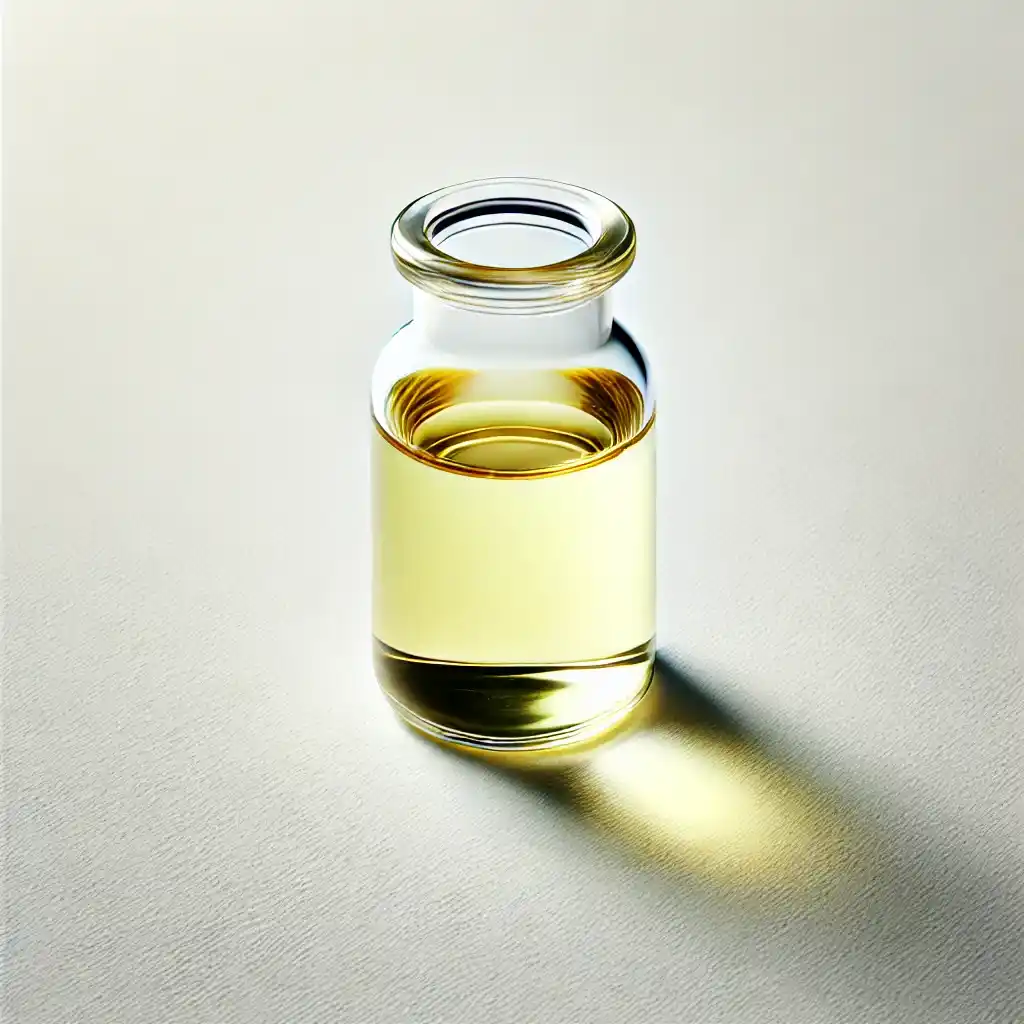
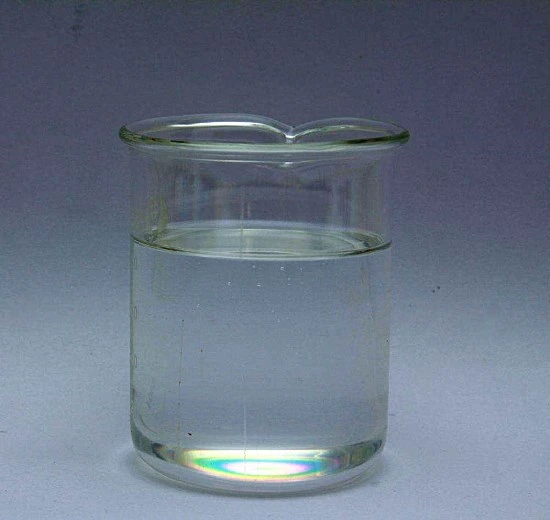
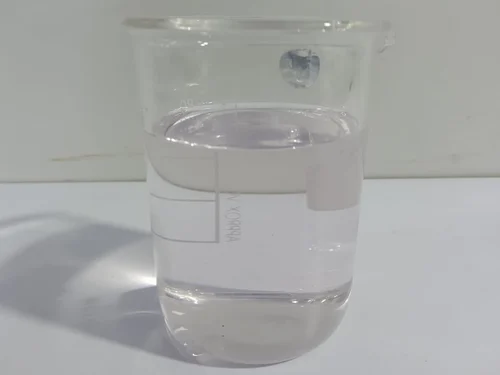
: Colorless to Yellow to Brown |
|
Common Names |
: Elainic acid, cis-9-Octadecenoic acid |
|
Packaging |
: Flexi Bag, 21 MT/20 FCL |
For more detailed information including pricing, customization, and shipping:
Oleic acid, classified as a monounsaturated omega-9 fatty acid, is naturally present in a variety of animal and vegetable fats and oils. This colorless and odorless oil, though commercial samples may exhibit a slight yellowish tint, is closely associated with oil and olive, particularly in reference to an oil predominantly consisting of oleic acid.
In general, the process for the production of oleic acid involves a mixture of fats consisting of beef tallow, lard, and vegetable oil. These mixed fatty acids are produced by refining and hydrolyzing oil fat. Oleic and stearic acid are produced by cold compressing the mixture of fatty acids. Afterward, a set of processes of dehydration and distillation is conducted to produce crude oleic acid and stearic acid as a by-product. Eighty percent of the distillate obtained from the process is made up of oleic acid.
Cosmetic Applications
It serves as an emollient in cosmetics, creating an oily layer that retains skin moisture due to the water-binding properties of the compound. This helps keep the skin healthy and moisturized by preventing moisture loss.
Manufacturing Applications
It is used in the surfactant-making process. Clothing stains can be removed from garments by using surfactants as a cleaning agent. The surface tension between two liquid phases—oil and water—is lowered by oleic acid. Additionally, oleic acid is used to make plasticizer. A plasticizer is a production-use ingredient that softens material by reducing its viscosity.
Others
Pharmaceuticals employ small quantities of oleic acid as an excipient. Aerosol products also employ oleic acid as a solubilizing or emulsifying ingredient. Emulsifiers work to stabilize the liquid combination of the oil and water phases so as to avoid separation or coalescence.



 English

 Indonesian
 简体字
简体字
 العربية
 Español
 Français
 Português
 日本語
日本語
 한국어
한국어
 Tiếng Việt



















.webp)