Explore our network of country and industry based websites to access localized information, product offerings, and business services across our group.
Access reliable chemical market information through our update channels.
Real-time Updates
Daily Updates
Log in to start sending quotation requests for any product.
Don't have an account? Sign Up Here
Log in now to access technical product documents from our product range.
Don't have an account? Sign Up Here
Home All Products Fumaric Acid
|
IUPAC Name |
: (E)-But-2-enedioic Acid |
|
Cas Number |
: 110-17-8 |
|
HS Code |
: 2917.19.50 |
|
Formula |
: C4H4O4 |
|
Appearance Name |
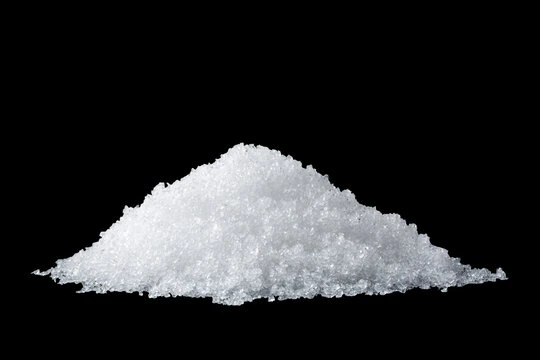
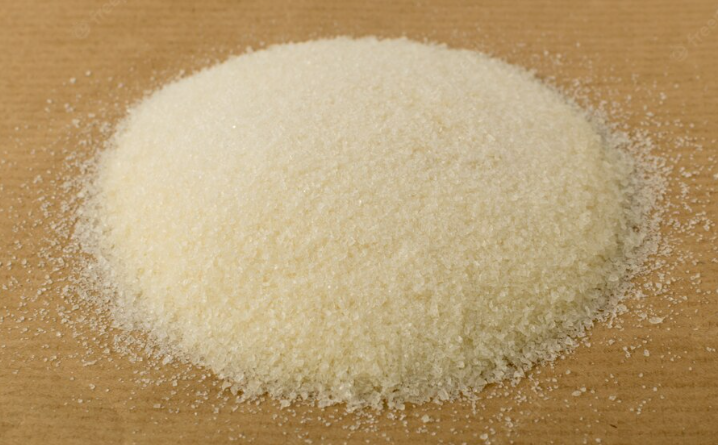
: White Crystalline Powder |
|
Common Names |
: 2-Butenedioic Acid, Trans-butenedioic Acid, Butenedioic Acid |
|
Packaging |
: 25 kg plastic woven lined with PE bags |
For more detailed information including pricing, customization, and shipping:
Fumaric acid or trans-butenedioic acid has the formula HOOC-CH=CH-COOH (C4H4O4). This white crystalline compound is one of two isomeric unsaturated dicarboxylic acids, the other being maleic acid. In fumaric acid, the carboxylic acid groups are trans, and in maleic acid, they are cis. Fumaric acid has a fruity taste. The salts and esters are known as fumarates. The primary hazard is the threat to the environment. Immediate steps should be taken to limit the spread of the environment. It is combustible but may be difficult to ignite.
Fumaric acid is currently produced by the isomerization of maleic acid, which is produced from maleic anhydride. Maleic anhydride, in turn, is industrially produced by catalytic oxidation of suitable hydrocarbons in the gas phase. Maleic acid is converted by thermal or catalytic cis-trans isomerization into fumaric acid. The most common catalysts used are mineral acids, peroxy compounds, and thiourea. The crude fumaric acid obtained in this way is purified by crystallization from water.
As a food additive, it is used as an acidity regulator and is generally used in beverages and baking powders. It is generally used as a substitute for tartaric acid and occasionally in place of citric acid to add sourness, similar to how malic acid is used. It is also used as a coagulant in stovetop pudding mixes.
In patients with relapsing-remitting multiple sclerosis, dimethyl fumarate significantly reduced relapse and disability progression in a phase 3 trial. It activates the Nrf2 antioxidant response pathway, the primary cellular defense against the cytotoxic effects of oxidative stress.
Fumaric acid is used in the manufacture of polyester resins, livestock feed, cosmetics, and mordant for dyes.