
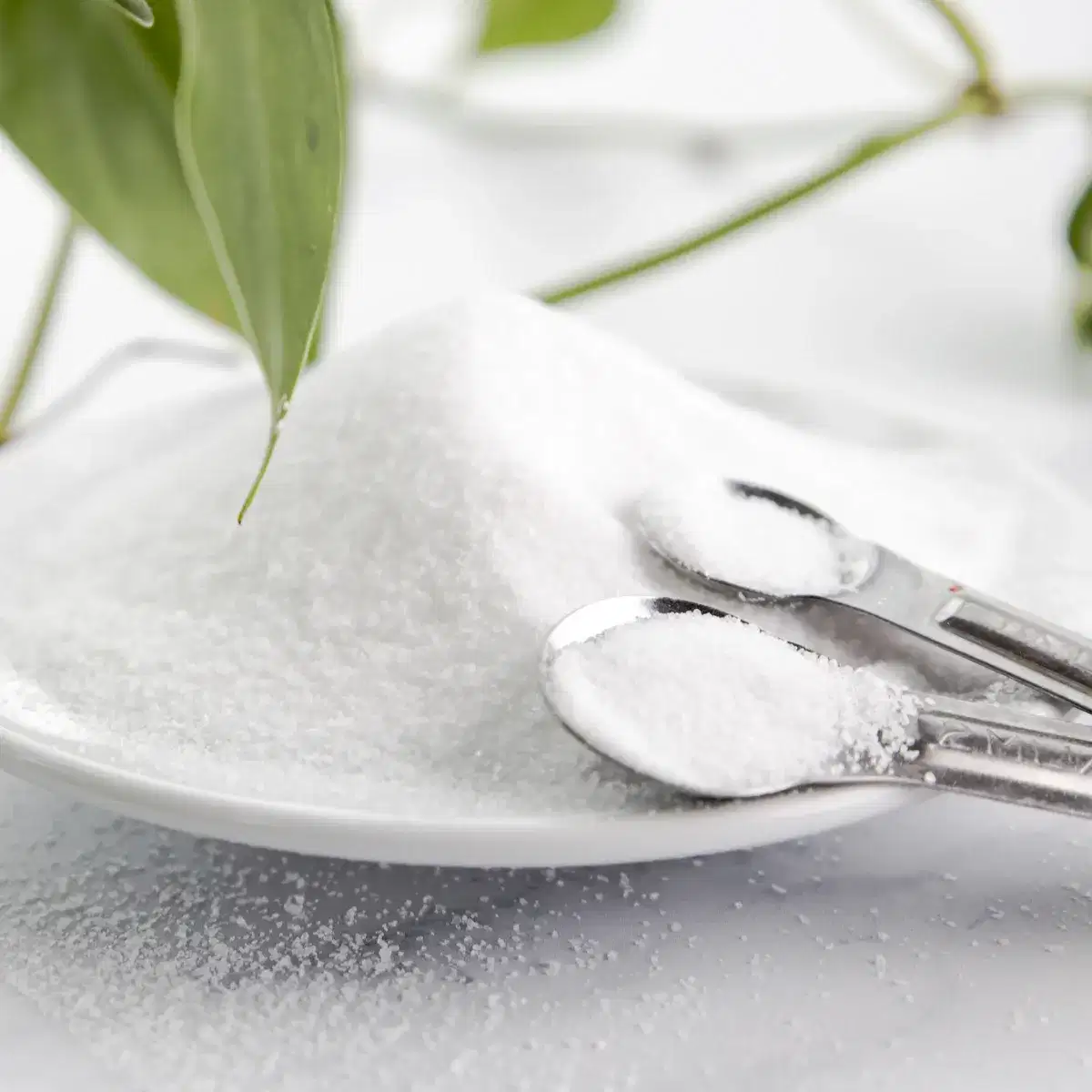
Stearic Acid Rubber Grade Iodine Value 3 Max
- IUPAC Name
- octadecanoic acid
- Molecular Formula
- C18H36O2
- Molecular Weight (g/mol)
- 284.5000
- InChIKey
- QIQXTHQIDYTFRH-UHFFFAOYSA-N
- InChI
- InChI=1S/C18H36O2/c1-2-3-4-5-6-7-8-9-10-11-12-13-14-15-16-17-18(19)20/h2-17H2,1H3,(H,19,20)
- Synonyms & Trade Names
- stearic acid; Octadecanoic acid; 57-11-4; n-Octadecanoic acid; Stearophanic acid; Stearex Beads; Pearl stearic; 1-Heptadecanecarboxylic acid; Cetylacetic acid; Industrene R; Octadecansaeure; Stearinsaeure; Vanicol; Hydrofol Acid 150; Century 1240; Glycon DP; Glycon TP; Humko Industrene R; Formula 300; Hydrofol 1895
Categories
Technical Document
Brief Overview
Saturated fatty acids like stearic acid, also referred to as octadecanoic acid, can be found in high-fat plant and animal sources. With a molar mass of 284.48 g/mol and a chemical formula of CH3(CH2)16CO2H, it has the appearance of a waxy white solid. Along with palmitic and oleic acids in fats by nature is stearic acid, which has been linked to favorable health outcomes. Nearly equal amounts of oleic and palmitic acids are used in its manufacturing. Stearic acid is more concentrated in animal fats than in fats originating from plants. It is frequently found in nature as an ester of fatty alcohol or in mixed triglycerides.
Manufacturing Process
In the manufacturing of stearic acid, fatty acids assume a pivotal role, with the methodology meticulously adjusted to align with the desired final product quality and the specific raw material chosen. A variety of protocols are systematically employed, with tallow and grease emerging as predominant raw materials. The production process is delineated by two essential stages:
a. Hydrolysis, wherein glycerin and fatty acids are synthesized from raw ingredients (oil or fat), followed by the subsequent separation of the resultant products.
b. Separation encompasses the methodical purification and segregation of the fatty acid mixture during the second stage.