
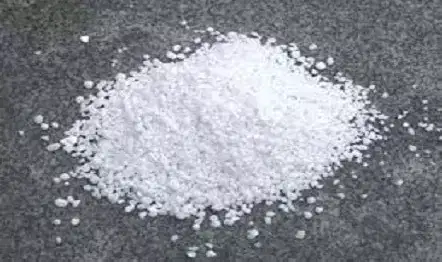
Ammonium Bromide
- Origin: China
- CAS Number: 12124-97-9
- HS Code: 29239000
- IUPAC Name
- ammonium bromide
- Molecular Formula
- NH4Br
- Synonyms & Trade Names
- Ammonium bromide; Hydrobromic acid ammonium salt
- Purity / Assay (%)
- 99% min
- Grade / Quality Level
- Technical Grade
- Physical Form
- Solid
- Concentration
- Pure substance
- Appearance / Color
- White to off-white solid
- Odor
- Odorless
- Melting Point (°C)
- 235.0000
- Boiling Point (°C)
- 452
- Density (g/cm³)
- 2.4290
- pH
- Slightly acid to litmus
- Solubility in Water
- Freely soluble
- Signal Word
- Danger
- UN Number
- Not applicable
- GHS Hazard Class
- Serious eye damage/eye irritation, Specific target organ toxicity, single exposure; Narcotic effects, Reproductive toxicity, Specific target organ toxicity, repeated exposure, Specific target organ toxicity, single exposure, Hazardous to the aquatic environment, acute hazard, Hazardous to the aquatic environment, long-term hazard
- H-Statements
- None
- P-Statements
- P260
- REACH Status
- Registered
- Drug Precursor Status
- Non-precursor
- Storage Class (GHS)
- 13
- Storage Conditions
- Cool, dry place
- Industry Usage Tags
- Processing aids not otherwise specified
Industries
Technical Document
Brief Overview
Ammonium Bromide is the ammonium salt of hydrobromic acid. It exist as a white odorless crystals or granules that turns yellow when it is exposed to air due to oxidation of traces of bromide (Br−) to bromine (Br2).
Manufacturing Process
There are several ways of producing ammonium bromide:
Method 1: Prepared by reaction of hydrobromic acid and ammonia, or by the direct reaction of ammonia with bromine in water.
Method 2: Prepared by the reacting ammonia with iron(II) bromide or iron(III) bromide.
Method 3: Prepared by reaction of an aqueous bromine solution with iron filings. The solution of ferrous and ferric bromide formed then reacts with ammonia to precipitate hydrated oxides of iron. Ammonium bromide is then recovered by crystallization from the concentrated liquor.