

Basic Information
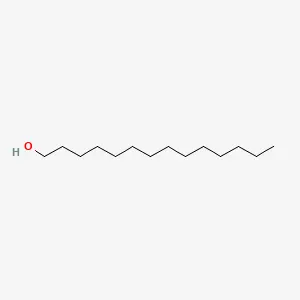
Myristyl Alcohol Structure
IUPAC Name | Tetradecan-1-ol |
CAS Number | 112-72-1 |
HS Code | 2905.17 |
Molecular Formula | C14H30O |
Structural Formula | CH3(CH2)12CH2OH |
Synonyms | 1-Tetradecanol, n-Tetradecanol, n-Myristyl alcohol, C14 fatty alcohol |
Molecular Weight | 214.39 g/mol |
Description
Myristyl alcohol (1-tetradecanol) is a saturated fatty alcohol with a 14-carbon chain, obtained by the reduction of myristic acid. It is a white, waxy solid that is widely used in personal care, cosmetics, and pharmaceutical formulations.
In cosmetics, myristyl alcohol functions as an emollient, emulsifier, and viscosity modifier. It contributes a smooth, silky texture to creams, lotions, and hair conditioners. It also acts as a co-emulsifier and thickener when combined with anionic surfactants.
Industrially, myristyl alcohol is used in the synthesis of myristyl myristate, myristyl lactate, and ethoxylated derivatives used as non-ionic surfactants.
Chemical and Physical Properties
Physical Description | White to off-white waxy solid or flakes. |
Color / Form | White to off-white. |
Odor | Faint, characteristic fatty odor. |
Taste | Bland, waxy. |
Boiling Point | Approx. 295 °C |
Melting Point | 37–39 °C |
Flash Point | ~160 °C |
Solubility | Practically insoluble in water; soluble in ethanol and organic solvents. |
Density | Approx. 0.824 g/cm³ |
Vapor Density | Greater than air. |
Vapor Pressure | Negligible at ambient temperature. |
Stability / Shelf Life | Stable under normal conditions. |
Viscosity | Low viscosity when melted. |
Heat of Combustion | Approx. −8,670 kJ/mol. |
Polymerization | No hazardous polymerization. |
Ionization Potential | No data available. |
Uses and Manufacturing
Uses
Myristyl alcohol is a high-value fatty alcohol primarily used in premium personal care and cosmetic formulations. Its most important derivative is isopropyl myristate (IPM), although myristyl alcohol itself is used directly as an emollient and thickening agent in creams, lotions, and ointments where it imparts a smooth, non-greasy texture and excellent skin feel.
Myristyl myristate (the ester of myristyl alcohol with myristic acid) is a premium cosmetic emollient with a luxurious, velvety skin feel, used in high-end skin care creams, eye area preparations, and color cosmetics. Similarly, myristyl lactate (ester with lactic acid) is a mild, moisturizing emollient suitable for sensitive skin formulations.
In the surfactant industry, myristyl alcohol is used as a raw material for the production of non-ionic surfactants via ethoxylation (myristeth-n, C14 AEO). C14 ethoxylates have excellent wetting, emulsifying, and cleaning properties and are used in industrial and institutional cleaning products, textile processing, and agricultural formulations.
Myristyl alcohol is also used in the production of myristyl sulfate (anionic surfactant for cleansing), myristyl glucoside (mild non-ionic surfactant), and in the formulation of solid lipid nanoparticles (SLNs) for drug and cosmetic active delivery.
In pharmaceutical formulations, myristyl alcohol is used as an excipient in topical and semi-solid dosage forms, providing emolliency and emulsification.
Methods of Manufacturing
Myristyl alcohol is produced by catalytic hydrogenation of myristic acid (tetradecanoic acid) or methyl myristate under high-pressure hydrogen in the presence of copper chromite or copper-zinc oxide catalyst at 200–280 °C and hydrogen pressures of 200–300 bar.
The crude fatty alcohol is purified by fractional vacuum distillation to yield the C14 fraction with high purity. Quality is determined by GC purity (>98% for technical grade), hydroxyl value, acid value, iodine value, melting point, color (APHA), and moisture. Food and pharmaceutical grade material requires compliance with relevant monograph specifications.
Hazard Identification
Hazard Summary
Low acute toxicity. May cause mild skin and eye irritation.
Fire Hazard
Combustible solid.
Skin, Eye & Respiratory Irritations
Mild irritant on direct contact.
Safety and First Aid
Physical Dangers
Combustible solid.
Skin First Aid
Wash with soap and water.
Eye First Aid
Rinse with water for 15 minutes.
Ingestion First Aid
Seek medical advice.
Fire Fighting Procedures
Use CO₂, foam, or dry chemical.
Handling and Storage
Nonfire Spill Response
Small spill: Sweep or vacuum up solid. For molten spill, allow to solidify then collect. Warn of slip hazard. Collect in labeled waste containers.
Large spill: Contain. Allow to cool and solidify. Collect mechanically. Prevent entry into drains. Clean residual with hot detergent solution.
Safe Storage
Store in original, tightly closed containers in a cool, dry, well-ventilated area. Keep away from heat sources and strong oxidizing agents. For melt storage, maintain at 45–55 °C in stainless steel or HDPE tanks. Nitrogen blanket recommended for bulk storage.
Storage Conditions
Recommended storage temperature: 15–30 °C (solid); 45–55 °C (melt). Shelf life: 24 months in original sealed packaging. Suitable containers: HDPE drums/bags, stainless steel 304/316 tanks. Protect from moisture, heat, and oxidizing agents. Nitrogen blanket for bulk melt storage.