

Basic Information
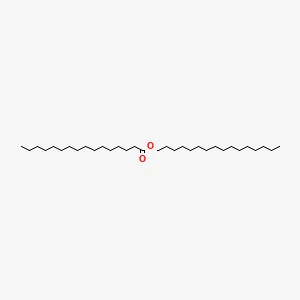
Cetyl Palmitate Structure
IUPAC Name | Hexadecyl hexadecanoate |
CAS Number | 540-10-3 |
HS Code | 2915.70 |
Molecular Formula | C32H64O2 |
Structural Formula | CH3(CH2)14COO(CH2)15CH3 |
Synonyms | Palmityl palmitate, 1-Hexadecyl palmitate, Cetyl hexadecanoate |
Molecular Weight | 480.84 g/mol |
Description
Cetyl palmitate is a wax ester formed from cetyl alcohol (C16) and palmitic acid (C16). It occurs naturally in spermaceti wax and is now produced synthetically from palm oil-derived raw materials.
As a natural wax ester analog, cetyl palmitate closely mimics the properties of human skin lipids, making it an outstanding ingredient for skin care and cosmetic formulations. It provides emolliency, gloss, and a smooth skin feel without greasiness.
It is also used as a structuring agent and viscosity modifier in lipsticks, balms, creams, and other solid or semi-solid cosmetic preparations.
Chemical and Physical Properties
Physical Description | White to off-white waxy solid or flakes. |
Color / Form | White to off-white. |
Odor | Practically odorless. |
Taste | Bland. |
Boiling Point | Approx. 460 °C (estimated) |
Melting Point | 53–55 °C |
Flash Point | ~220 °C |
Solubility | Insoluble in water; soluble in hot ethanol, chloroform, and oils. |
Density | Approx. 0.85 g/cm³ (liquid) |
Vapor Density | Greater than air. |
Vapor Pressure | Negligible at ambient temperature. |
Stability / Shelf Life | Highly stable; resistant to hydrolysis and oxidation under normal conditions. |
Viscosity | Solid at room temperature. |
Heat of Combustion | Approx. −20,200 kJ/mol (estimated). |
Polymerization | No hazardous polymerization. |
Ionization Potential | No data available. |
Uses and Manufacturing
Uses
Cetyl palmitate is widely used in the cosmetic and personal care industry as a natural wax ester emollient and texture agent. In lipsticks, lip balms, and lip glosses, it provides a smooth, glossy finish, improves adhesion, and ensures a comfortable waxy texture. In skin creams, face powders, foundations, and pressed powders, it acts as a binding and texturizing agent.
Because cetyl palmitate closely mimics jojoba wax and spermaceti in its molecular structure, it is frequently used as a sustainable replacement for both materials in premium skin care formulations. It imparts a smooth, non-greasy feel and helps reduce the tackiness of wax-based formulations.
Industrial uses include its application as a lubricant and release agent in polymer processing, a component of specialty waxes for polishes, coatings, and candles, and as a processing aid in rubber and plastics manufacturing.
Methods of Manufacturing
Cetyl palmitate is produced by direct esterification of cetyl alcohol with palmitic acid in the presence of an acid catalyst (e.g., sulfuric acid or p-toluenesulfonic acid) at temperatures of 180–220 °C with continuous removal of water, or via enzymatic esterification using immobilized lipase (e.g., Candida antarctica lipase B).
In industrial practice, the reaction is typically performed under reduced pressure to facilitate water removal and improve yields. The crude product is then purified by filtration, washing with alkali solution to remove traces of acid, and distillation or crystallization to achieve target purity and color specifications. Quality is characterized by GC purity, acid value, saponification value, color (APHA), and melting range.
Hazard Identification
Hazard Summary
Low toxicity. Not classified as hazardous. May cause mild irritation on prolonged contact.
Fire Hazard
Combustible. Dust or molten material may pose fire hazard.
Skin, Eye & Respiratory Irritations
Non-irritating to skin under normal conditions. May cause mild eye irritation.
Safety and First Aid
Physical Dangers
Combustible solid; molten material is combustible.
Skin First Aid
Wash with soap and water.
Eye First Aid
Rinse with clean water.
Ingestion First Aid
Generally considered non-toxic. Seek medical advice if large amounts are ingested.
Fire Fighting Procedures
Use dry chemical, foam, or CO₂. Avoid water jet on molten material.
Handling and Storage
Nonfire Spill Response
Small spill: Sweep or vacuum up solid material. For molten spills, allow to cool and solidify before collection. Place collected material in labeled waste containers.
Large spill: Prevent entry into drains and waterways. Collect solidified material mechanically. Residual surface contamination can be cleaned with hot detergent solution.
Safe Storage
Store in tightly closed containers in a cool, dry, well-ventilated area. Protect from heat, moisture, and direct sunlight. Keep away from oxidizing agents. Store away from food and animal feed. Avoid elevated temperatures which may cause melting and container deformation.
Storage Conditions
Recommended storage temperature: 15–25 °C in solid/flake form; 60–65 °C if stored as melt. Shelf life: 24–36 months in original sealed packaging. Suitable containers: HDPE bags, drums, or stainless steel tanks (for melt). Protect from moisture and prolonged heat exposure.