What Is DL Methionine and Why Is It Important?
DL Methionine is a synthetic essential amino acid widely used in animal nutrition to improve growth performance, feed efficiency, and protein utilization. As animals cannot produce sufficient methionine naturally, supplementation has become a standard practice in commercial feed formulations.
Role in Modern Animal Nutrition
Methionine is often considered the first limiting amino acid in poultry diets and one of the most important amino acids in livestock feeding programs. According to the United Nations Food and Agriculture Organization (FAO), amino acid balancing is a critical component of efficient animal production systems.
The increasing global demand for meat, eggs, and aquaculture products has strengthened the importance of nutritional optimization. Feed manufacturers rely on amino acid supplementation to improve productivity while reducing feed costs.
Technical information published by major feed nutrition institutions indicates that methionine contributes to protein synthesis, metabolic processes, immune support, and overall animal health.
As feed producers seek higher efficiency and sustainability, DL Methionine continues to serve as a strategic ingredient within modern feed formulations.
DL Methionine Applications in Animal Feed Production
DL Methionine is primarily utilized as a nutritional supplement in compound feed manufacturing. Its inclusion helps achieve balanced amino acid profiles while supporting optimal animal growth and performance.
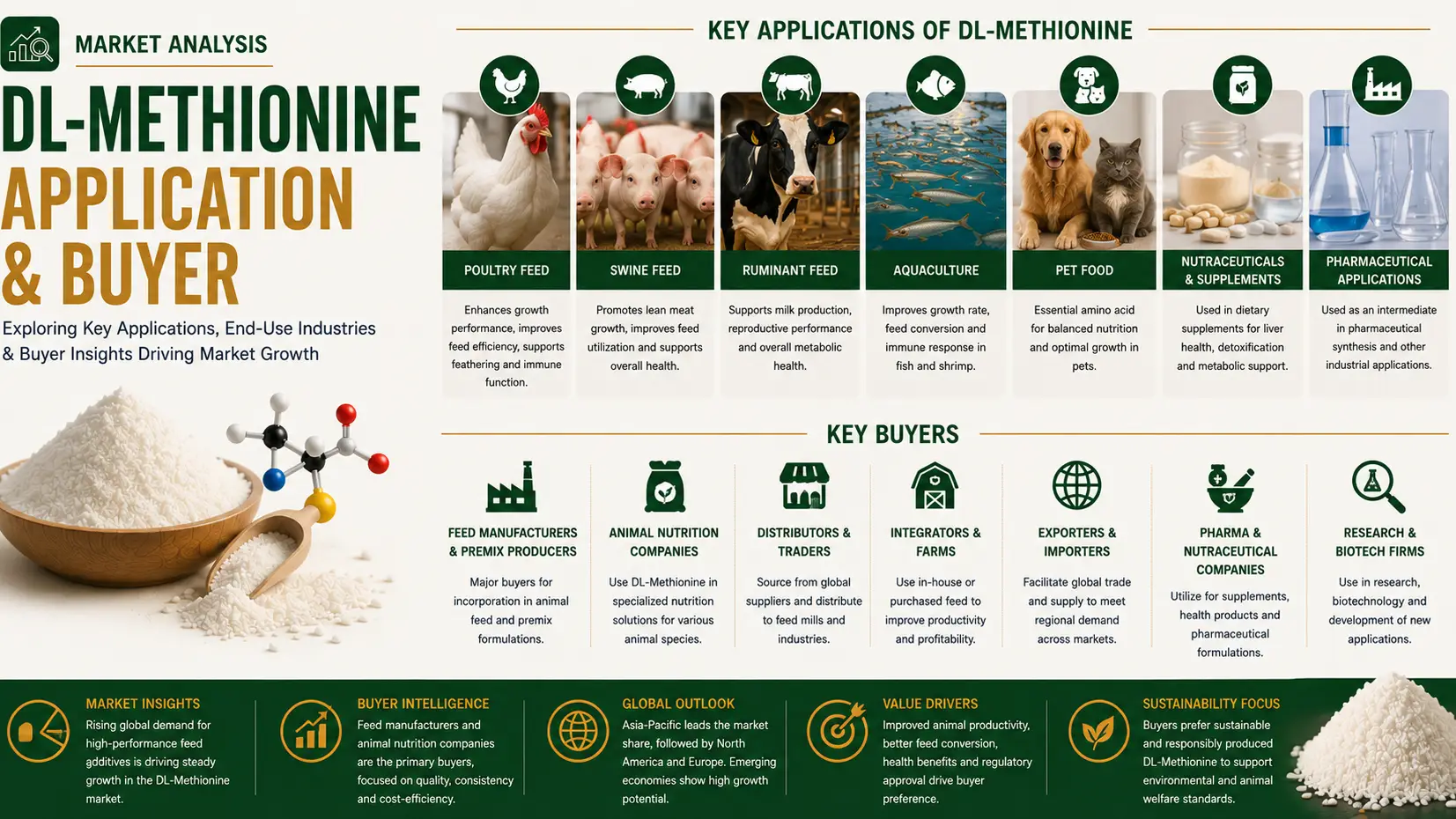
Poultry Feed Applications
The poultry industry remains the largest consumer of DL Methionine globally. According to technical data from the International Feed Industry Federation (IFIF), poultry feed formulations frequently require supplemental methionine to meet nutritional requirements.
Broiler producers use DL Methionine to support muscle development, feed conversion efficiency, and overall production performance. Layer operations also depend on methionine supplementation to maintain egg production and quality.
Feed formulators increasingly focus on precision nutrition, where amino acid balancing enables improved nutrient utilization and reduced waste output.
The continued expansion of commercial poultry farming worldwide reinforces the long-term demand for DL Methionine as a feed ingredient.
Swine and Aquaculture Feed Applications
Swine nutrition programs utilize DL Methionine to optimize growth performance and protein utilization. Proper amino acid supplementation can help producers achieve more efficient feed conversion rates.
According to research published through scientific journals indexed by Elsevier and Springer, amino acid supplementation plays an important role in improving livestock productivity and nutritional efficiency.
In aquaculture, DL Methionine supports fish and shrimp growth by addressing amino acid deficiencies commonly found in plant-based feed ingredients.
The growing adoption of sustainable aquaculture practices continues to create additional opportunities for amino acid suppliers serving aquatic feed manufacturers.
Growth Opportunities Across Livestock and Aquaculture Industries
Rising global protein consumption continues to drive expansion across livestock and aquaculture sectors. These trends directly influence demand for feed additives and nutritional ingredients such as DL Methionine.
Expanding Animal Protein Production
According to projections from the Organisation for Economic Co-operation and Development (OECD) and FAO Agricultural Outlook reports, global meat and aquaculture production are expected to increase steadily over the coming years.
Producers face pressure to improve productivity while managing feed costs and environmental impact. Amino acid supplementation has become an effective strategy for achieving these objectives.
DL Methionine enables feed manufacturers to formulate more efficient diets while maintaining animal performance and nutritional standards.
As emerging economies increase investments in commercial livestock production, the market potential for amino acid additives continues to expand across multiple regions.
Sustainable Feed Formulation Trends
Sustainability initiatives are encouraging feed producers to reduce excess protein inclusion in diets. Lower protein formulations often require amino acid supplementation to maintain nutritional balance.
Industry analysis published by feed and nutrition organizations suggests that amino acids can contribute to reduced nitrogen emissions and improved resource efficiency.
DL Methionine supports these sustainability objectives by helping optimize nutrient utilization without compromising animal performance.
The transition toward environmentally responsible animal agriculture is expected to remain a major driver of future market demand.
Market Trends Influencing DL Methionine Demand
The DL Methionine market is influenced by evolving feed production practices, livestock expansion, and technological improvements in amino acid manufacturing.
Global Feed Industry Expansion
According to annual industry assessments from Alltech's Global Feed Survey, worldwide feed production remains at historically high levels, reflecting ongoing growth in animal agriculture.
Large-scale commercial farming operations increasingly require advanced nutritional solutions to maintain productivity and profitability.
DL Methionine suppliers benefit from this trend as feed manufacturers seek reliable ingredients capable of supporting precision nutrition strategies.
The globalization of feed ingredient trade has also expanded sourcing opportunities across Asia-Pacific, Latin America, the Middle East, and Africa.
Innovation and Supply Chain Development
Manufacturers continue investing in production technologies that improve efficiency and product consistency. These advancements support stable supply availability for international buyers.
Market intelligence reports indicate growing interest in integrated supply chains that connect producers, distributors, and end-users more efficiently.
Digital procurement platforms are helping buyers compare specifications, sourcing options, and supplier capabilities with greater transparency.
As supply chains become increasingly globalized, access to trusted sourcing channels remains a competitive advantage for procurement teams.
Buyer Intent and Procurement Considerations
Understanding buyer intent is essential for suppliers and marketplaces serving the DL Methionine sector. Different buyer groups evaluate suppliers based on quality, consistency, logistics, and commercial reliability.
Who Buys DL Methionine?
Typical buyers include animal feed manufacturers, feed premix producers, livestock nutrition companies, aquaculture feed producers, distributors, and agricultural ingredient traders.
Procurement teams often assess product specifications, purity levels, regulatory compliance, packaging options, and supply continuity before making purchasing decisions.
According to industry procurement practices observed across feed manufacturing sectors, long-term supply reliability is frequently as important as product pricing.
Buyers compare suppliers to reduce operational risks, improve inventory management, and ensure uninterrupted production schedules.
Supporting Sourcing Decisions
B2B buyers increasingly use online chemical marketplaces to identify qualified suppliers and evaluate sourcing alternatives.
Product information, technical documentation, logistics capabilities, and supplier responsiveness can significantly influence purchasing decisions.
Digital sourcing platforms simplify supplier discovery and enable procurement teams to compare commercial offerings across multiple regions.
For buyers seeking dependable amino acid supply, comprehensive product listings support faster and more informed purchasing evaluations.
Sourcing DL Methionine Through Global B2B Marketplaces
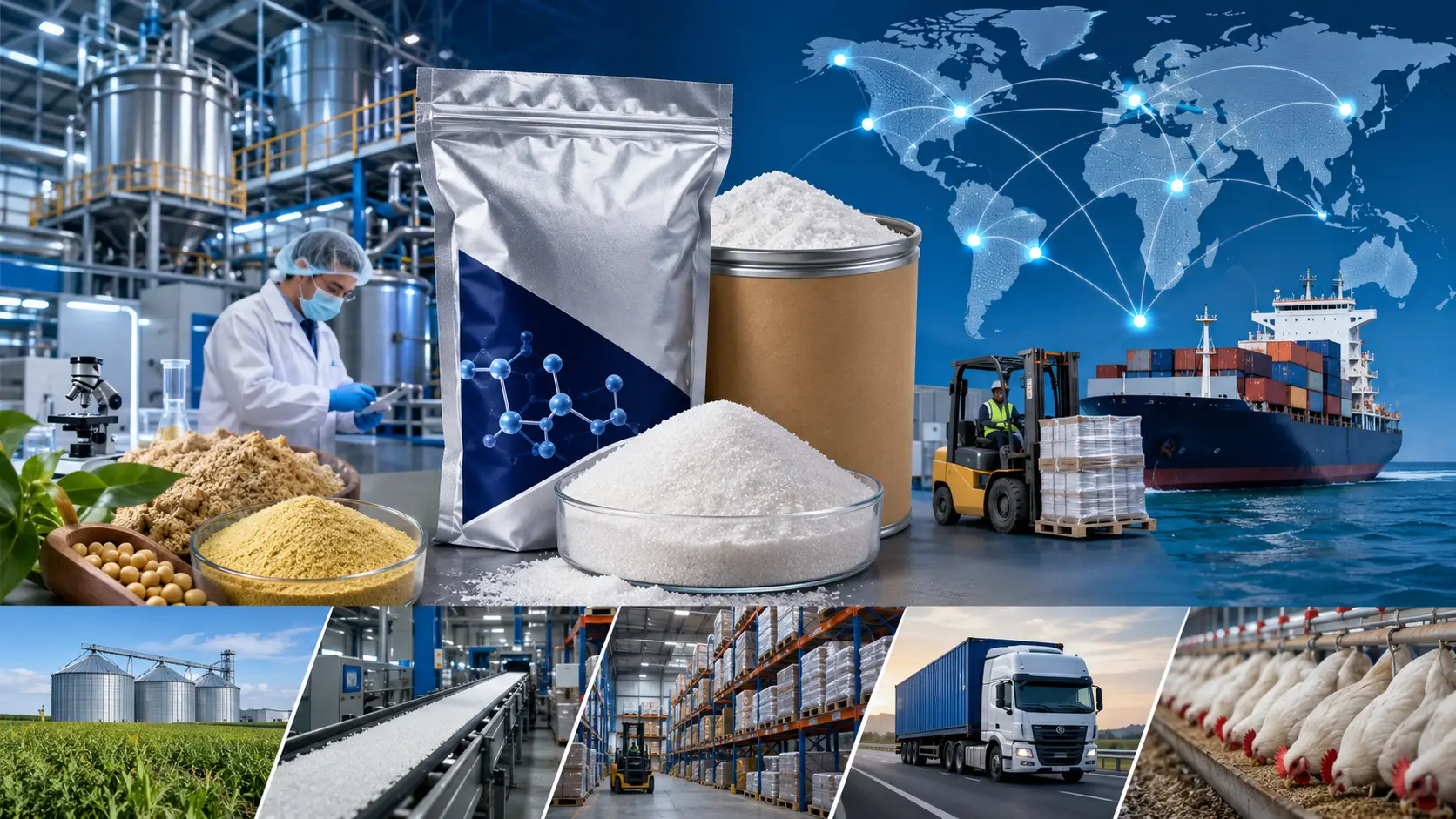
Global chemical marketplaces have become important channels connecting manufacturers, distributors, traders, and industrial buyers seeking feed ingredients.
Advantages of Marketplace-Based Procurement
B2B procurement platforms provide access to multiple suppliers through a centralized sourcing environment. This approach improves visibility into product availability and market opportunities.
According to digital procurement trends reported by industry analysts, businesses increasingly favor online sourcing channels to improve procurement efficiency and supplier diversification.
DL Methionine buyers can use marketplaces to evaluate supplier profiles, request quotations, and compare sourcing options across international markets.
This approach helps organizations streamline purchasing processes while expanding access to global supply networks.
Why Global Buyers Use Trade Platforms
International buyers often require sourcing flexibility, competitive pricing, and dependable logistics support when purchasing feed additives.
Marketplace ecosystems facilitate connections between qualified suppliers and procurement teams operating across different regions and industries.
Access to broader supplier networks can improve supply resilience and reduce sourcing challenges associated with market fluctuations.
As global trade continues to evolve, digital chemical marketplaces are expected to play an increasingly important role in DL Methionine procurement strategies.
Conclusion
DL Methionine remains one of the most important amino acid additives used in modern animal nutrition. Its ability to improve feed efficiency, support livestock productivity, and contribute to sustainable feed formulation makes it a valuable ingredient across poultry, swine, and aquaculture industries.
Growing demand for animal protein, advancements in feed technology, and expanding global trade networks continue to strengthen commercial opportunities for DL Methionine suppliers and buyers. For procurement teams, feed manufacturers, distributors, and traders, understanding application trends and sourcing strategies is essential for securing long-term supply and maintaining competitiveness in the evolving animal nutrition market.
Sources
https://www.fao.org
https://www.ifif.org
https://www.alltech.com
Leave a Comment