
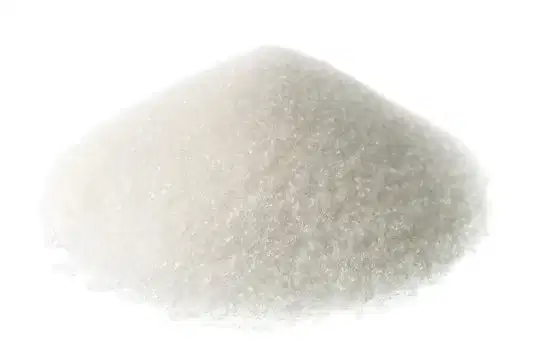
Xylitol (E967)
- IUPAC Name
- pentane-1,2,3,4,5-pentol
- Molecular Formula
- C5H12O5
- Molecular Weight (g/mol)
- 152.1500
- InChIKey
- HEBKCHPVOIAQTA-UHFFFAOYSA-N
- InChI
- InChI=1S/C5H12O5/c6-1-3(8)5(10)4(9)2-7/h3-10H,1-2H2
- Synonyms & Trade Names
- Pentitol; 6917-36-8; GlyTouCan:G72699UV; RefChem:1048587; CHEBI:25899; DTXSID30859149; G72699UV; pentane-1,2,3,4,5-pentol; DL-Xylitol; arabitol(d); D(+)-Arabitol; 16277-71-7; Arabitol, D-; 1,2,3,4,5-Pentahydroxypentane; NSC16868; NSC25288; Adonitol;Adonite; C5H12O5; Wood sugar alcohol; a pentitol
Categories
Technical Document
Xylitol is a five-carbon sugar alcohol naturally present in small amounts in certain fruits and vegetables. Commercially, it is commonly produced through the hydrogenation of xylose derived from xylan-rich plant materials. With a sweetness comparable to sucrose, xylitol is widely used as a sugar substitute in food and confectionery applications.
Xylitol generally produces a lower blood glucose response than conventional sugar, making it suitable for various reduced-sugar formulations. It also provides a pleasant cooling sensation, particularly in chewing gum, mints, and sugar-free confectionery products.
Unlike conventional sugars, xylitol is not readily fermented by most oral bacteria into acids that contribute to tooth enamel demineralization. Therefore, replacing fermentable sugars with xylitol may help support dental health as part of appropriate oral hygiene practices. However, its effectiveness in preventing dental caries depends on the overall formulation and conditions of use.